
Italian-Inspired Delight: Polenta and Meat Sauce

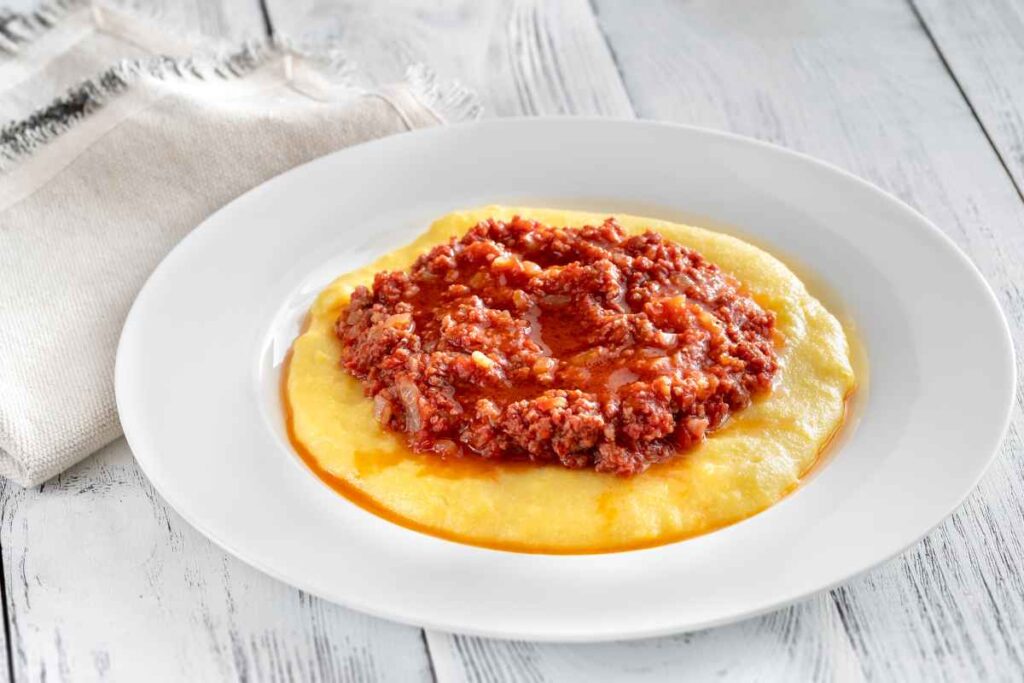
There are nights when nothing beats a bowl of creamy polenta with beef ragù—warm, velvety, and full of slow-cooked flavor. This version leans into a no-lump method that removes the guesswork, guiding you to restaurant-smooth polenta every single time.
You’ll also get gentle, hands-off alternatives for oven polenta and Instant Pot polenta, plus smart make-ahead ideas so dinner feels effortless even on a busy weeknight.
What Makes This Bowl So Good
It starts with texture. Polenta can be rustic and hearty, or soft and spoonable; we’re aiming for the latter—silk on the spoon, body on the palate.
The secret isn’t complicated: season your cooking liquid from the start, introduce the cornmeal gradually so every grain hydrates, and finish with a classic mantecatura—butter and Parmigiano—so the finish is glossy rather than stodgy.
The topping is a gently simmered beef ragù (meat sauce) that builds flavor in layers: a patient soffritto, a kiss of wine to lift the fond, and enough time for the sauce to thicken until it clings rather than runs. Simple choices, made with care, that add up to comfort.
Ingredients, Explained Like a Cook
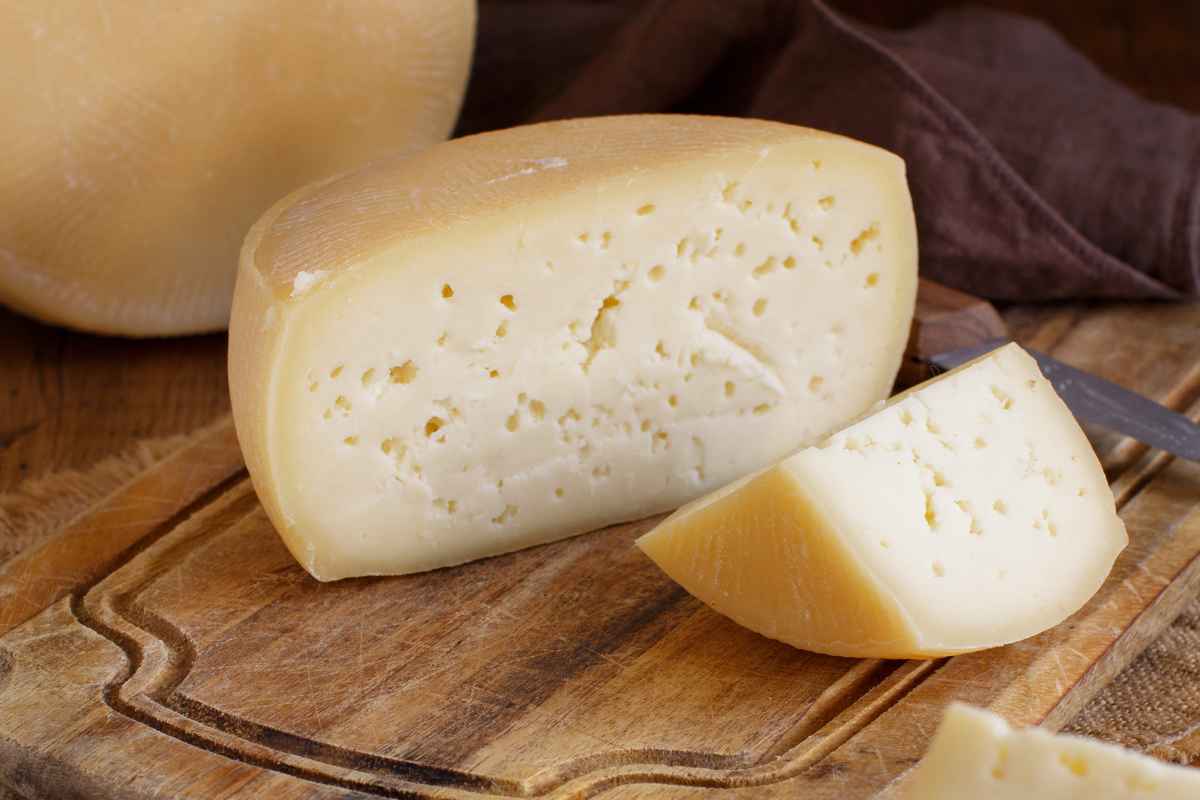
For polenta, choose a coarse grind whenever time allows; its fuller corn flavor and creamy texture are worth the extra minutes. A ratio of one part polenta to five parts liquid gives that soft, spoonable finish.
Use water for neutrality, broth for savoriness, or a mix of both. Salt early, taste often, and let Parmigiano Reggiano and a small knob of butter do the final balancing act at the end.
If you prefer a sharper edge, Pecorino works beautifully; for dairy-free needs, a generous thread of extra-virgin olive oil can deliver sheen without cheese.
The ragù thrives on balance too. Start with ground beef around 85–90% lean so you get robust flavor without greasiness. Browning is non-negotiable: take time to sear in batches so the meat caramelizes rather than steams.
A traditional soffritto—finely diced onion, celery, and carrot—brings sweetness and aroma. Garlic needs only a brief turn in the pan to bloom. Tomato can be crushed or passed (passata) depending on whether you prefer a bit of texture or a smooth sauce.
A splash of red wine pulls up all the browned bits, adding depth and a hint of acidity; broth works if you’re skipping alcohol. Bay leaves, thyme, or rosemary infuse quietly in the background, while a pinch of chili flakes keeps the richness lively.
Finish with chopped parsley or basil for a fresh exhale at the end.
The No-Lump Polenta Method: Stovetop
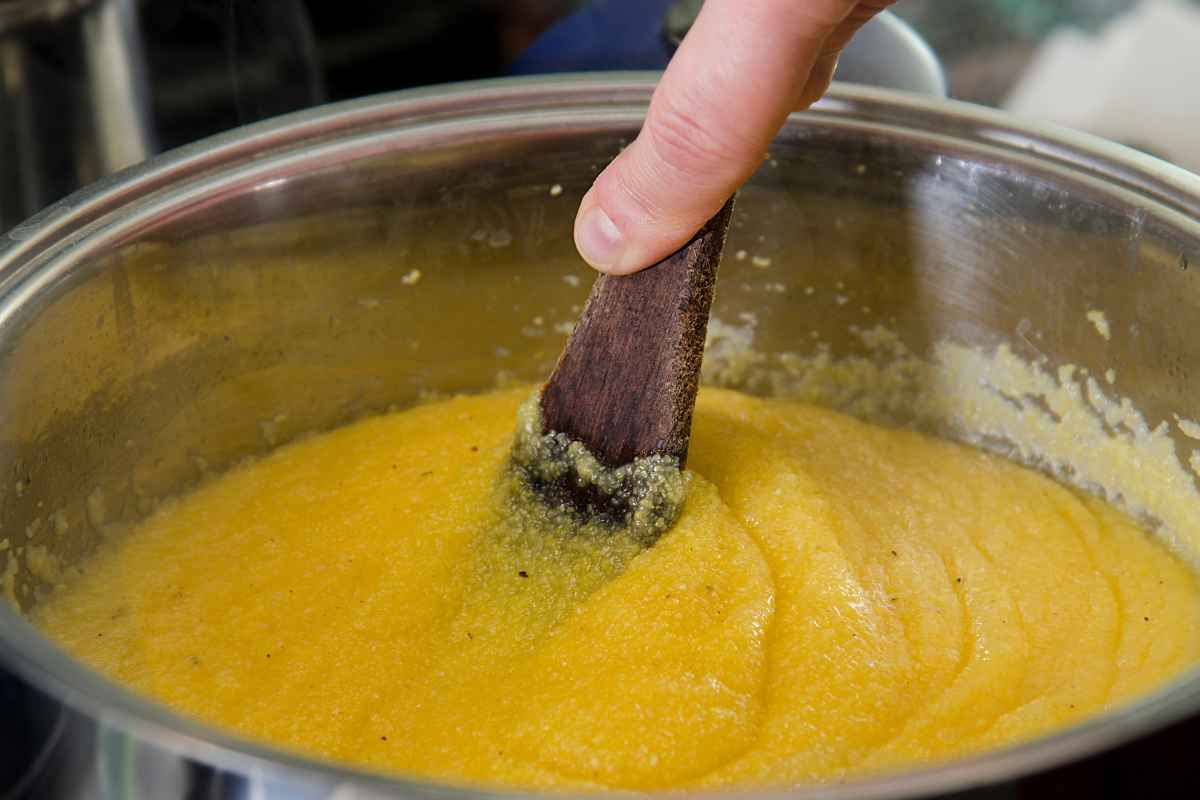
Bring your seasoned liquid to a gentle simmer, then reduce the heat so the surface barely quivers. With one hand, rain the polenta in a thin stream; with the other, whisk as if you were drawing figure eights.
This early moment determines whether lumps form, so take it slow. After a minute or two, set the whisk aside and switch to a sturdy spoon or spatula, scraping the bottom and sides regularly. Keep the heat low and the bubbles quiet; aggressive boiling encourages sticking and rough textures.
Patience is the true ingredient here. Depending on the grind, the polenta will soften between twenty-five and forty-five minutes. Taste a small spoonful: when the granules have lost their grit and the mass flows like lava, you’re there.
Remove from the heat and fold in butter and grated Parmigiano until the sheen appears. Adjust the salt; the cheese will add some, so it’s better to season modestly at the beginning and finish at the end.
Oven: Hands-Off and Reliable
When you want the same creamy polenta with even less attention, the oven is your friend. Whisk polenta, hot liquid, and salt in a covered oven-safe pot and slide it into a moderate oven.
The heat envelops the grains on all sides, leading to an almost no-stir, no-lump method. Halfway through, give it a quick stir to loosen any settling. By the time it’s done, a quick mantecatura will transform it into the same satiny texture you get on the stove, with barely ten minutes of active work.
Instant Pot
For weeknights, Instant Pot polenta is wonderfully consistent. Because pressure cooking reduces evaporation, you’ll start with slightly less liquid and loosen it with hot water or broth after cooking, whisking to your perfect flow.
The result is predictably smooth and ready in a fraction of the usual time. Finish as always with butter and cheese—or olive oil for a dairy-free gloss—and you’ve got a base that makes any sauce feel luxurious.
Building a Deeper Beef Ragù
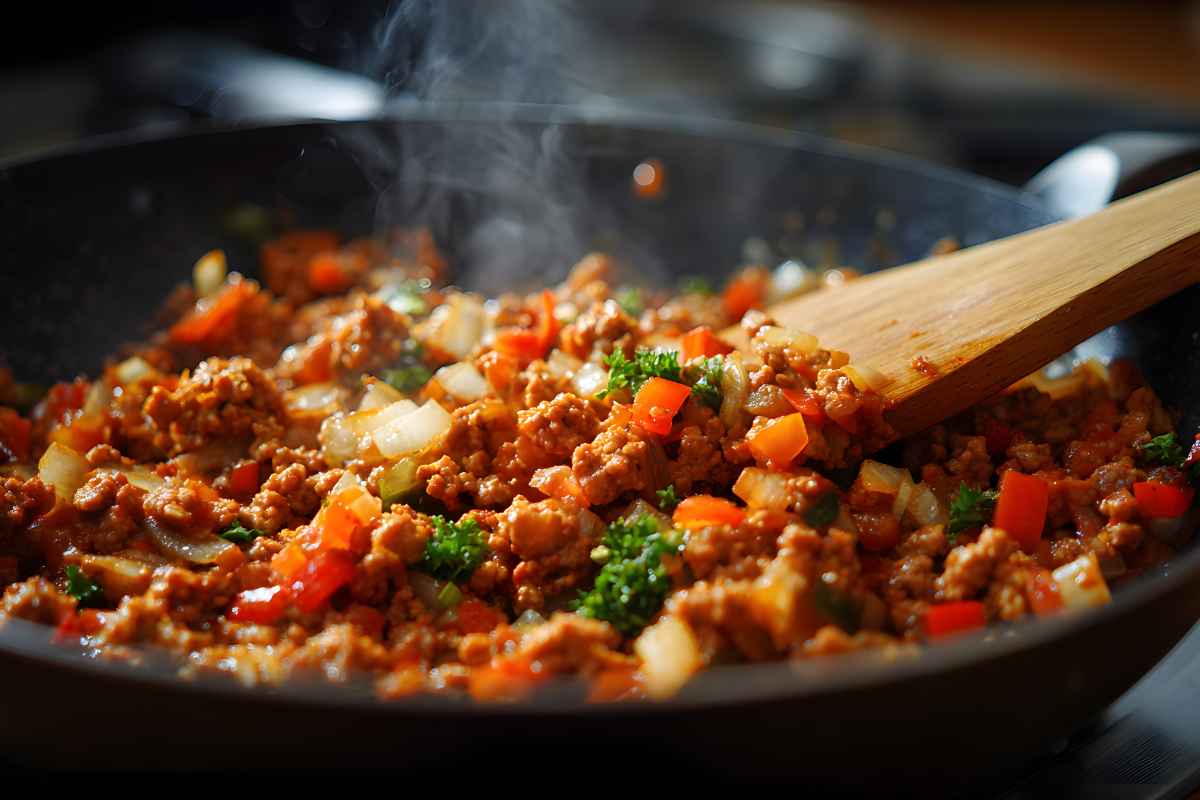
Warm a film of olive oil in a Dutch oven until it shimmers, then add the beef in an even layer. Resist the urge to stir; let it catch a deep brown before breaking it up. Season the meat, then transfer it out so the pan is free to caramelize the vegetables.
The soffritto goes in next with a pinch of salt; let it turn soft and golden, releasing sweetness and aroma. Garlic follows briefly. When the vegetables smell sweet and nutty, pour in red wine and scrape the pan to dissolve every browned bit—those are flavor diamonds.
Return the meat, add tomatoes, and tuck in a bay leaf with a pinch of chili flakes. A few spoonfuls of broth keep everything supple at the start; the simmer takes it from there.
Keep the heat low, the bubbles leisurely, and the lid askew so steam can escape. Over the next half hour, the ragù thickens and grows glossy. Taste for seasoning and balance.
If it’s a touch sharp, a knob of butter or a splash of milk rounds the edges; if it’s rich and sleepy, a spoon of vinegar or more chopped herbs wakes it right up. Finish with parsley or basil and breathe in the aroma—you’ve built a rich beef ragù that flatters polenta without overwhelming it.
Serving, Storing, and Second-Day Magic
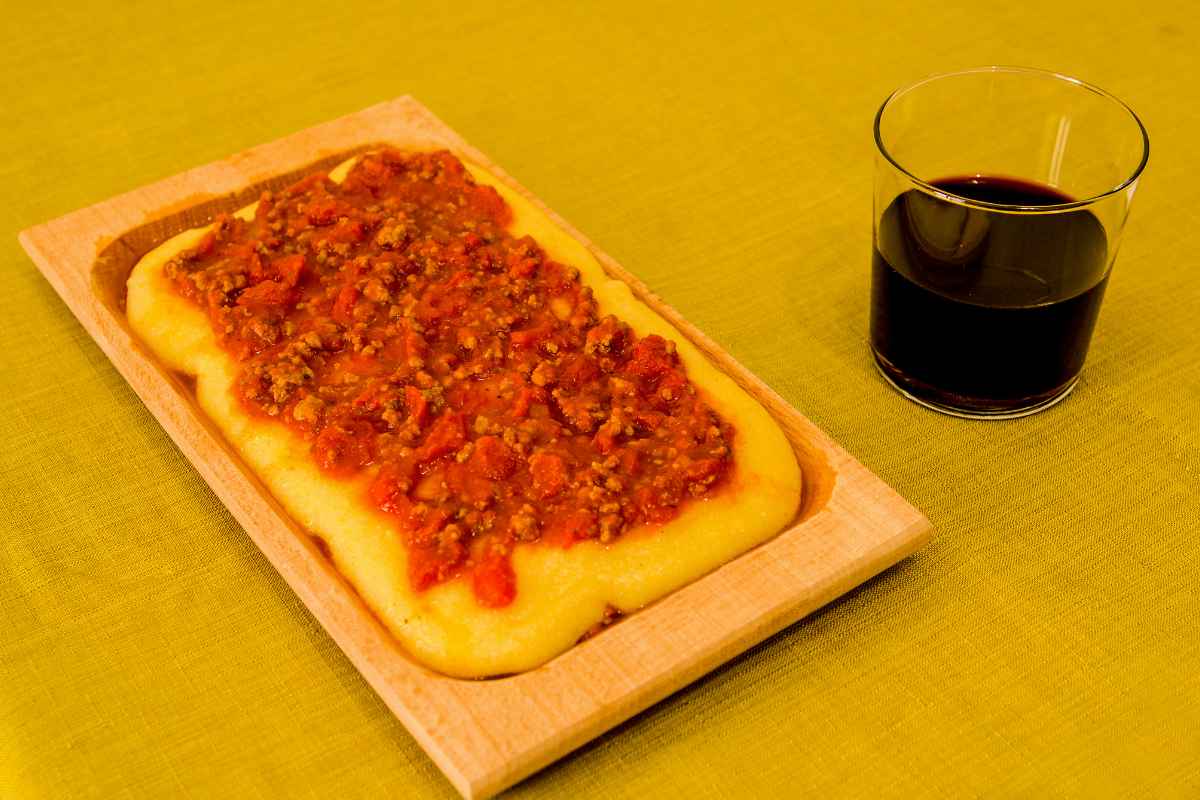
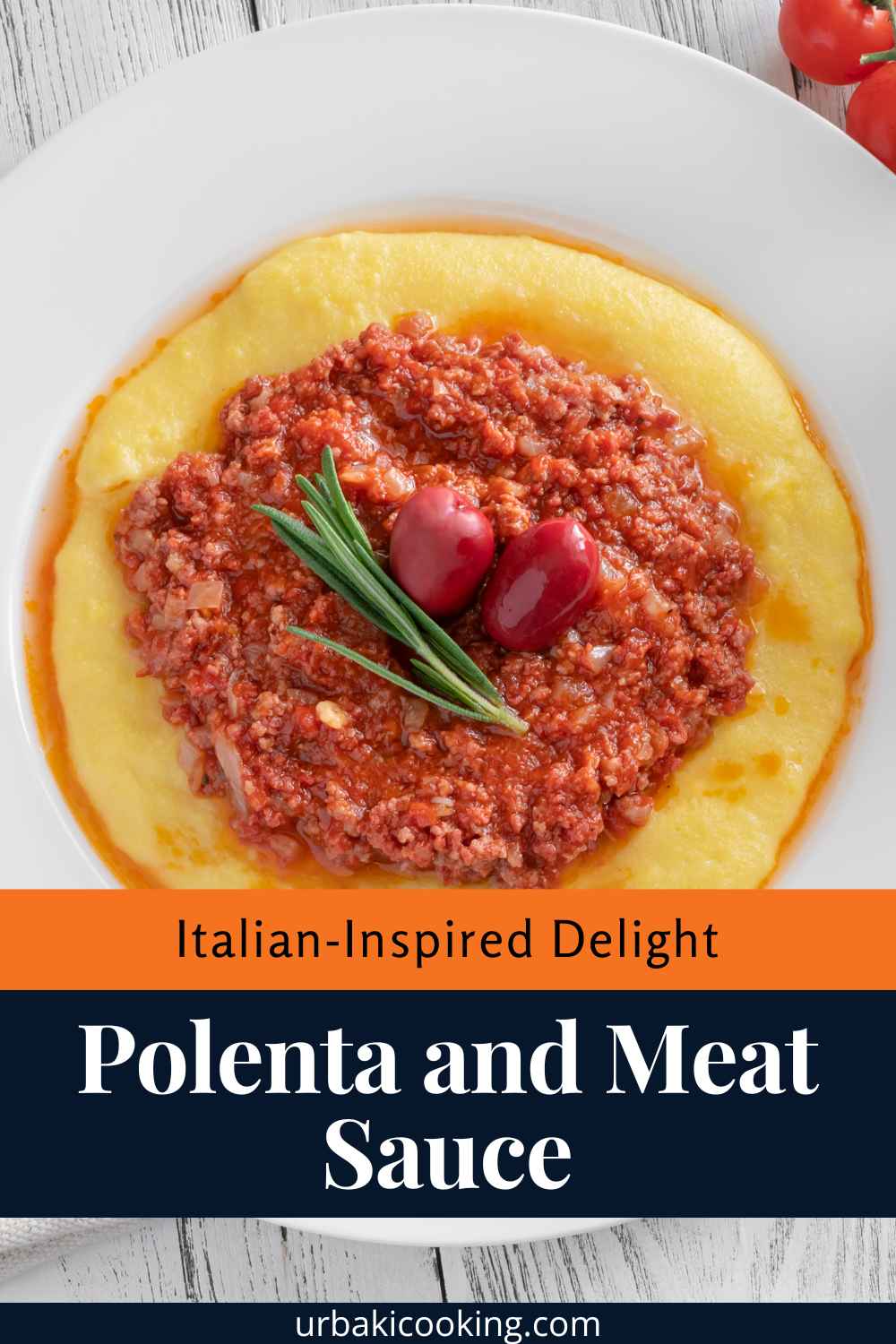
Warm bowls make a difference. Ladle the creamy polenta first, letting it spread gently, then spoon the meat sauce over the top so the juices sink into the corn. Shower with Parmigiano, add a thread of olive oil, and crack black pepper across the surface.
A simple bitter-green salad—think arugula or radicchio—cuts through the richness, and a light Italian red like Barbera or Chianti sings alongside.
For storage, keep polenta and ragù in separate containers. The sauce holds for several days in the refrigerator and freezes beautifully; polenta thickens as it cools, which is an invitation rather than a flaw.
When you’re ready to reheat, slide the polenta into a saucepan with a splash of hot broth or water and whisk back to silk over low heat. It’s one of the rare starches that rehydrates gracefully, especially if you loosen it a little more than you think you need.
Leftovers become a new dish with almost no effort. Spread warm polenta in a shallow layer, chill until firm, then cut into squares or wedges. On day two, sear the pieces in a hot pan or lay them on the grill until the edges crisp and the centers turn custardy.
Top with a spoonful of beef ragù, or crown with a fried egg and herbs for a rustic brunch. The transformation from spoonable to sliceable makes polenta a smart choice for make-ahead cooking.

Variations Worth Trying
Small changes produce big effects. For a deeper, more complex sauce, swap half the beef for Italian sausage or ground pork; the added fat carries flavor and brings a gentle sweetness.
To go lighter, try a ragù bianco: skip tomatoes and simmer the browned meat with soffritto, white wine, broth, and a finishing splash of cream for a pale, aromatic sauce that whispers rather than shouts.
Vegetarians can build a mushroom ragù by browning cremini and porcini with thyme until mahogany; the umami is so satisfying you won’t miss the meat. If you crave heat, a spoon of Calabrian chili paste or a dab of ’nduja weaves warmth through the sauce without overwhelming it.
And if dairy isn’t on the menu, finish the polenta with extra-virgin olive oil instead of butter and skip the cheese; you’ll still get a glossy, gluten-free base that feels indulgent.
A Cozy Finish
What you have here is a method rather than just a recipe: a calm, no-lump technique for polenta and a flexible approach to beef ragù that suits both leisurely weekends and real-life Tuesdays.
Master the rhythm—season early, rain the grains, stir low and slow, finish with fat—and you’ll serve bowls that feel both homey and special.
When the spoon glides through that yellow cream and the sauce pools around it, dinner stops feeling like a task and starts feeling like a reward.
Enjoy Watching This Video with a Similar Recipe

Source: Vincenzo's Plate
Did you find this post useful or inspiring? Save THIS PIN to your Cooking Board on Pinterest! 😊
Other Recipes You’ll Love 😍