
5 How-To Tips: Pizza Dough Recipe at Home


Craving a flawless pizza dough recipe you can master at home?
You’re in the right kitchen. In this guide, we’ll walk through five practical, beginner-friendly “how-to” tips that help you achieve a chewy center, a light rim, and a beautifully blistered, crispy crust.
Each step includes a trusted resource where you can dig deeper. Whether you’re after Diy Pizza Dough for a quiet night in or brainstorming Homemade Pizza Ideas for a crowd, these techniques will set you up for success.
By the end, you’ll know exactly what to do with pizza dough from mix to bake—and how to riff on the basics with toppings, shapes, and creative spins.
1) Choose the Right Flour & Hydration for Structure
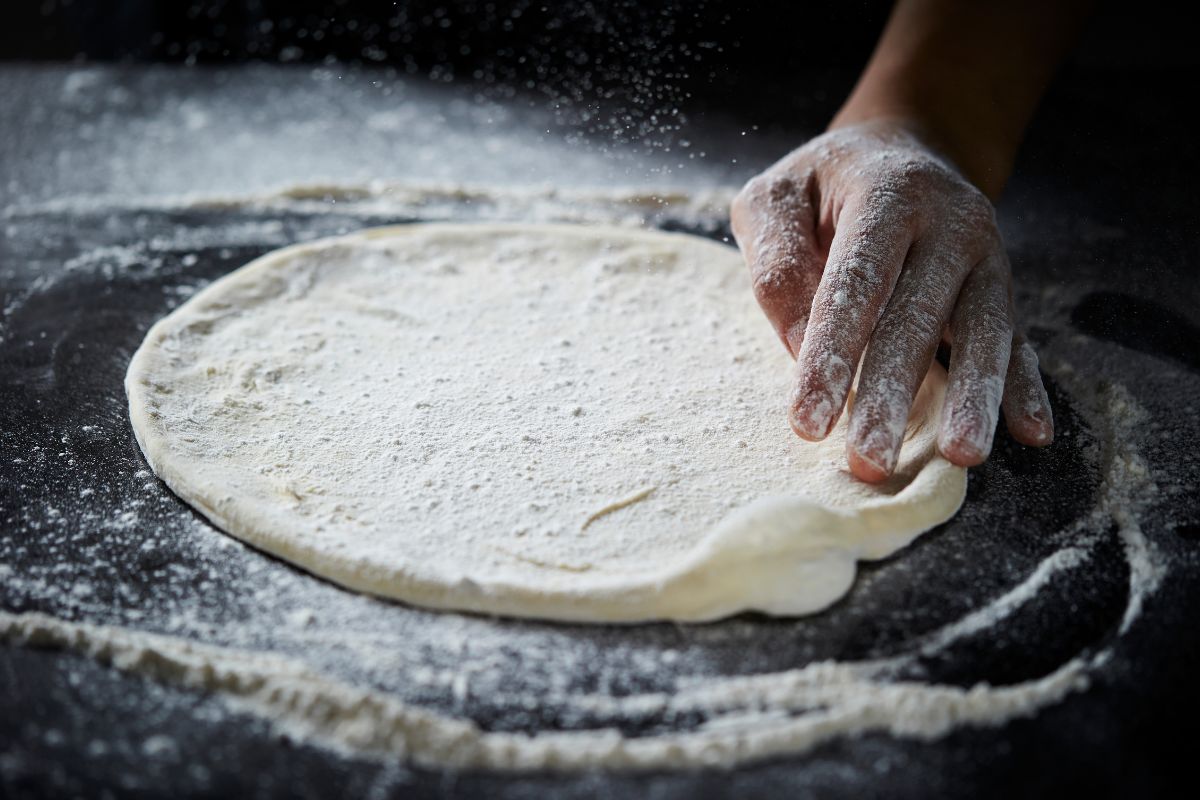 The foundation of any great pizza dough recipe is flour choice and hydration. Bread flour (12–13% protein) builds more gluten and chew, while tipo “00” produces a delicate, tender bite.
Higher hydration (65–70%) encourages an open crumb and airy rim, but it also makes the dough stickier. Start around 62–65% hydration if you’re new; work up as your technique improves.
This balance is the backbone of Best Homemade Pizza Dough—structured yet supple.
To visualize how small flour and water adjustments change your crumb, check out this step-by-step breakdown with photos and tips: learn more in this detailed guide.
It’s perfect if you’re collecting Pizza Dough Ideas and want a dependable baseline before experimenting.
Once you dial in flour and hydration, you can branch into recipes using pizza dough that call for different textures—crispy, thin, or soft and foldable.
This is where the fun begins for anyone asking what to make with pizza dough beyond a standard pie.
2) Knead Less Than You Think—Embrace Time
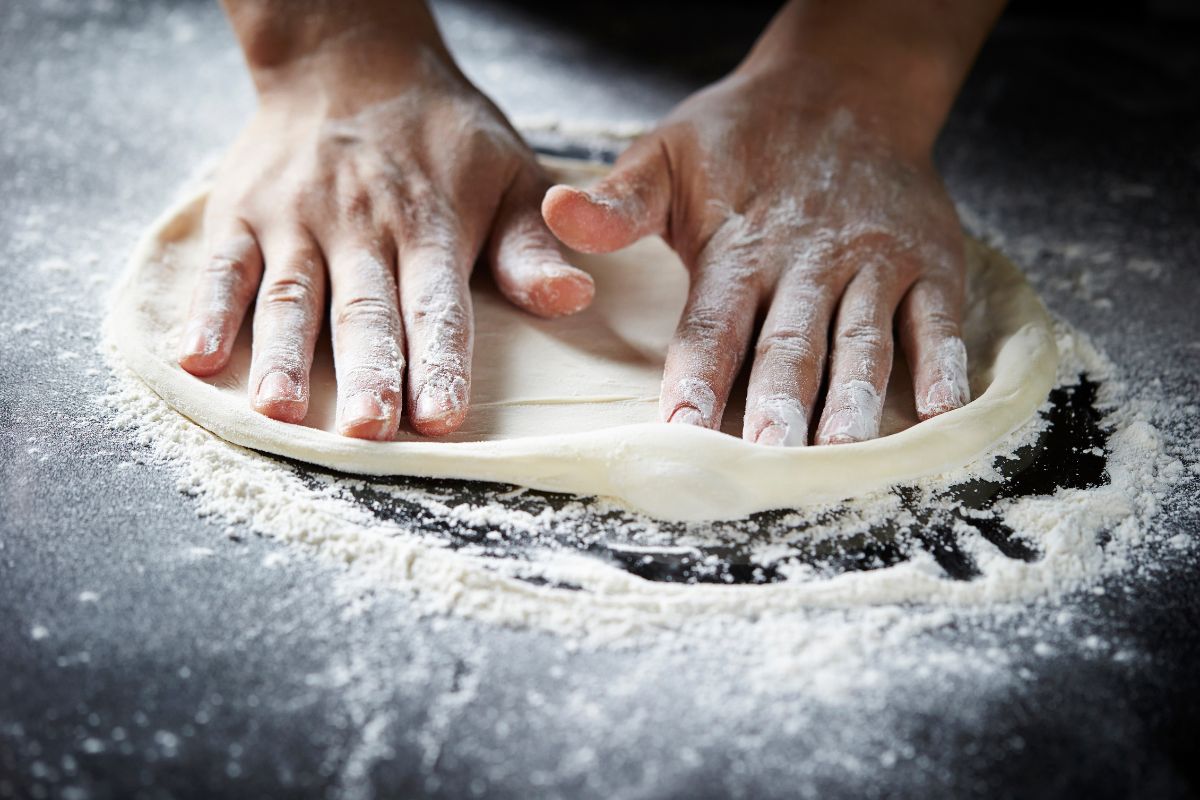 When gluten development is your goal, time can be more powerful than brute force. Instead of a marathon knead, try a brief mix followed by rest periods and a few stretch-and-folds.
This approach strengthens the dough without overheating or over-tightening it. The result is a relaxed, extensible dough that shapes easily and bakes up with a light, open crumb.
For a clear, beginner-friendly walkthrough that favors gentle handling over heavy kneading, watch this tutorial: step-by-step video on minimalist kneading.
It’s a smart move for Diy Pizza Dough nights when you want reliable results without special equipment.
As your dough rests and strengthens, it naturally becomes easier to shape, which helps you achieve that coveted crispy crust pizza dough finish—crackly at the edges, yet tender inside.
3) Cold Fermentation: Flavor Without Fuss
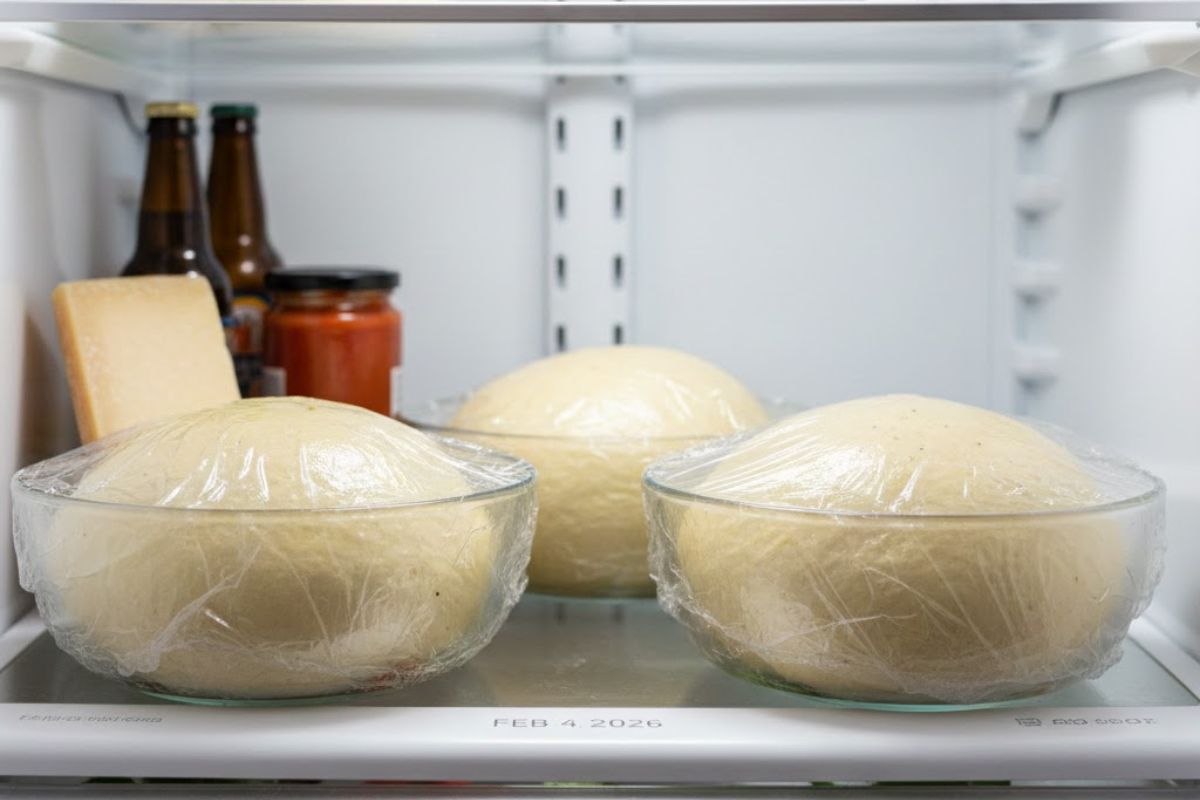 The simplest way to deepen flavor is to slow everything down. A 24–72 hour cold ferment in the refrigerator allows yeast to produce organic acids and aromatics that translate into a more complex, pizzeria-style crust.
It also helps dough relax, so it stretches without snapping back.
If you’ve ever wondered things to do with pizza dough while it’s chilling, the answer is: almost nothing. Let time work for you. Divide, oil lightly, cover, and chill.
For a visual primer on cold fermentation timing and handling, see: video on cold-ferment technique. You’ll notice how the dough develops speckling and a gentle, elastic feel—that’s flavor you can see.
Cold fermentation is also a gateway to experimenting with things to make with pizza dough: garlic knots, focaccia-style slabs, or pan pizzas—all incredible ways to vary texture while sticking to a familiar base.
4) Shape Gently and Keep the Rim Alive
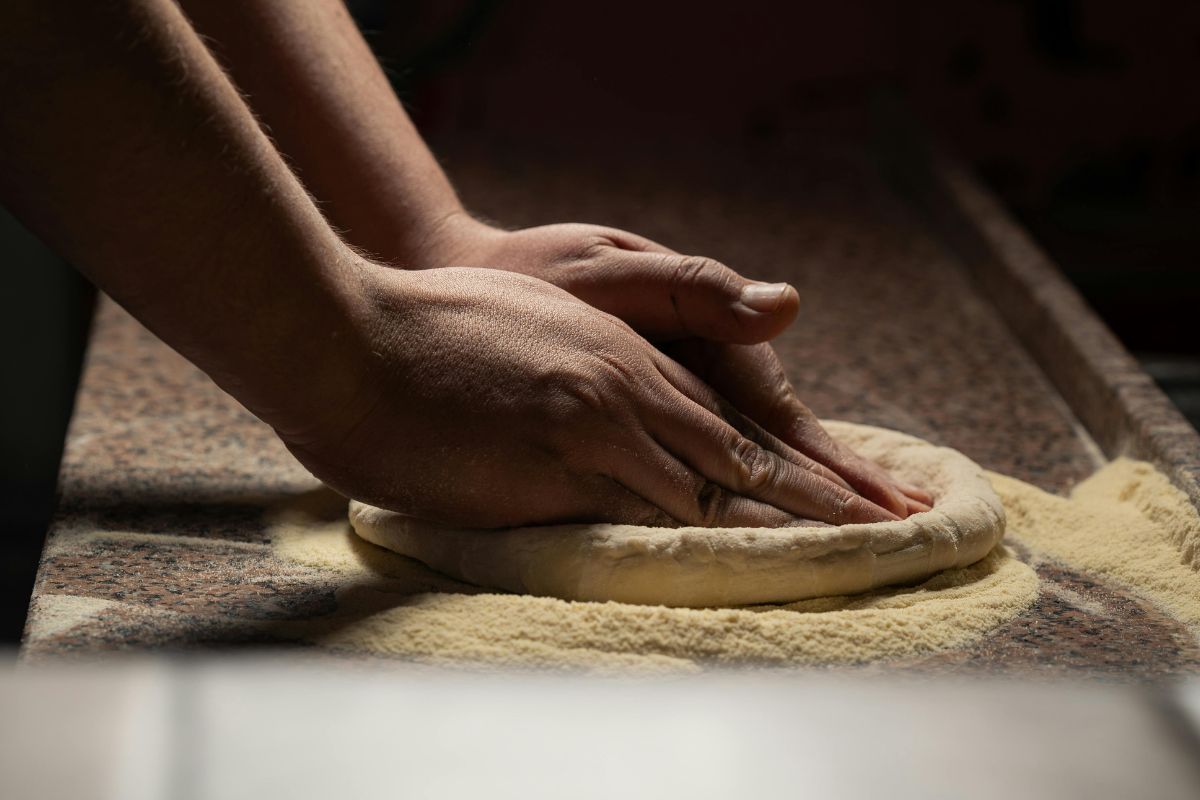 Over-handling knocks out gas and flattens your rim. Instead of a rolling pin, press from the center outward with fingertips, leaving a thicker border. Lift and drape the dough over your knuckles, rotate, and let gravity do the stretching.
If the dough resists, rest it for 5–10 minutes and try again. A gentle approach preserves bubbles for an airy cornicione and supports a balanced bake.
Want to see the technique in real time? This demo shows hand-stretching and launch fundamentals: watch a shaping and launching tutorial. This step alone often turns a good pizza dough recipe into a great one.
Once you master shaping, you’ll have more control over thickness and style, opening the door to homemade pizza ideas from thin-crust to New York-inspired rounds or puffy, pan-baked pies.
5) Bake Hot, Manage Moisture, Then Top Smart
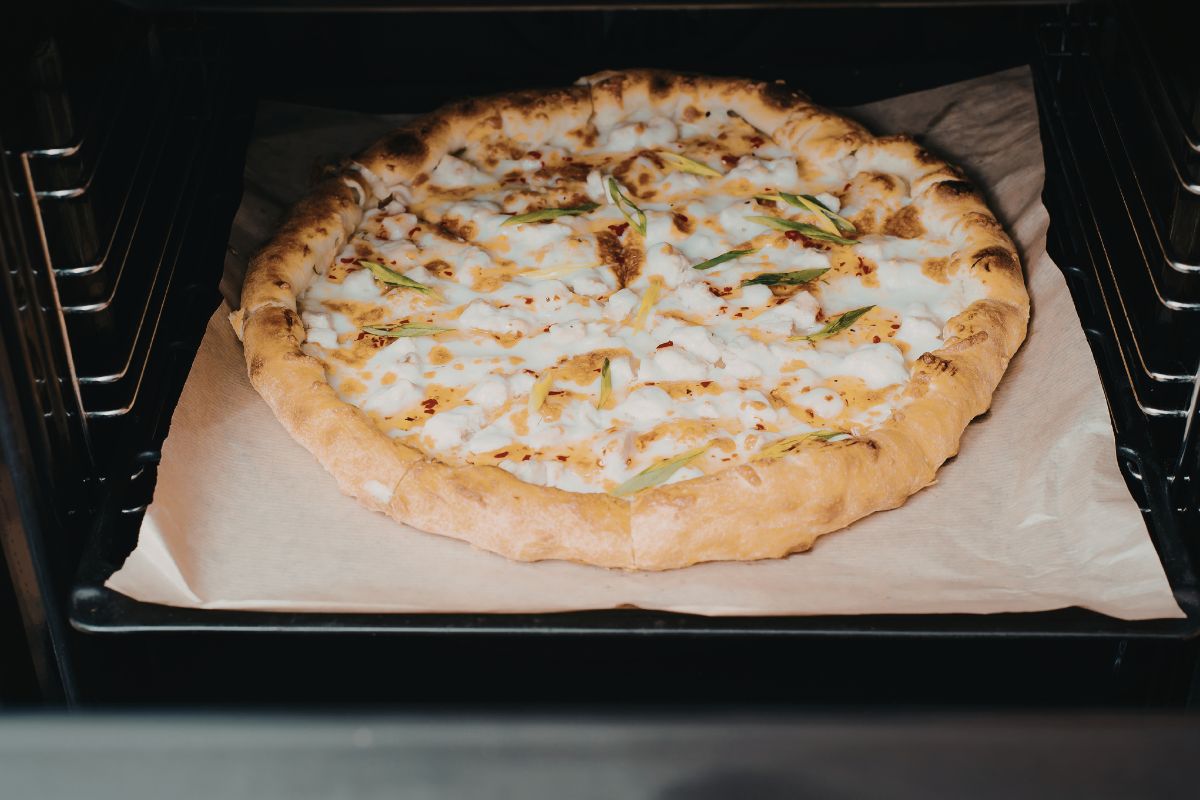 High heat is non-negotiable. Preheat your steel or stone for at least 45–60 minutes at your oven’s maximum (typically 260–290°C / 500–550°F).
Launch on a lightly floured peel, or use parchment for the first 1–2 minutes if you’re nervous. Keep sauces and cheeses modest to prevent sogginess—steam is the enemy of crispness.
Curious how small changes—like rack position or broiler finishes—affect browning? This video explores oven management for consistent results: advanced home-oven baking tips.
These tweaks are game-changers for that crispy crust pizza dough you’re after.
With a dialed-in bake, your canvas is set for Pizza Toppings: from classic margherita to bold combos.
If you’re thinking what to do with pizza dough beyond round pies, try cast-iron pan pizzas, stromboli, or flatbread-style squares—simple, crowd-pleasing recipes using pizza dough.
From Dough to Table: Smart Variations & Ideas
 Once you can confidently mix, rest, shape, and bake, it’s time to play.
Here are practical pizza dough ideas that go beyond the usual: brush the rim with garlic-herb oil before the bake; swap 10–15% of the flour for rye or spelt for a nutty aroma; or fold in a small preferment (like poolish) for a gentle tang.
Each change nudges flavor and texture in a new direction while keeping your base technique intact.
Looking for things to do with pizza dough on weeknights? Pre-portion and freeze dough balls after a 24-hour cold ferment. Thaw in the fridge overnight, temper at room temperature for 60–90 minutes, then bake.
It’s an effortless way to keep what to make with pizza dough wide open—garlic knots, breadsticks, or mini calzones on demand.
For topping harmony, think contrast: salty vs. sweet, creamy vs. crunchy. Pepperoni with hot honey; goat cheese with roasted peppers; pesto with blistered cherry tomatoes.
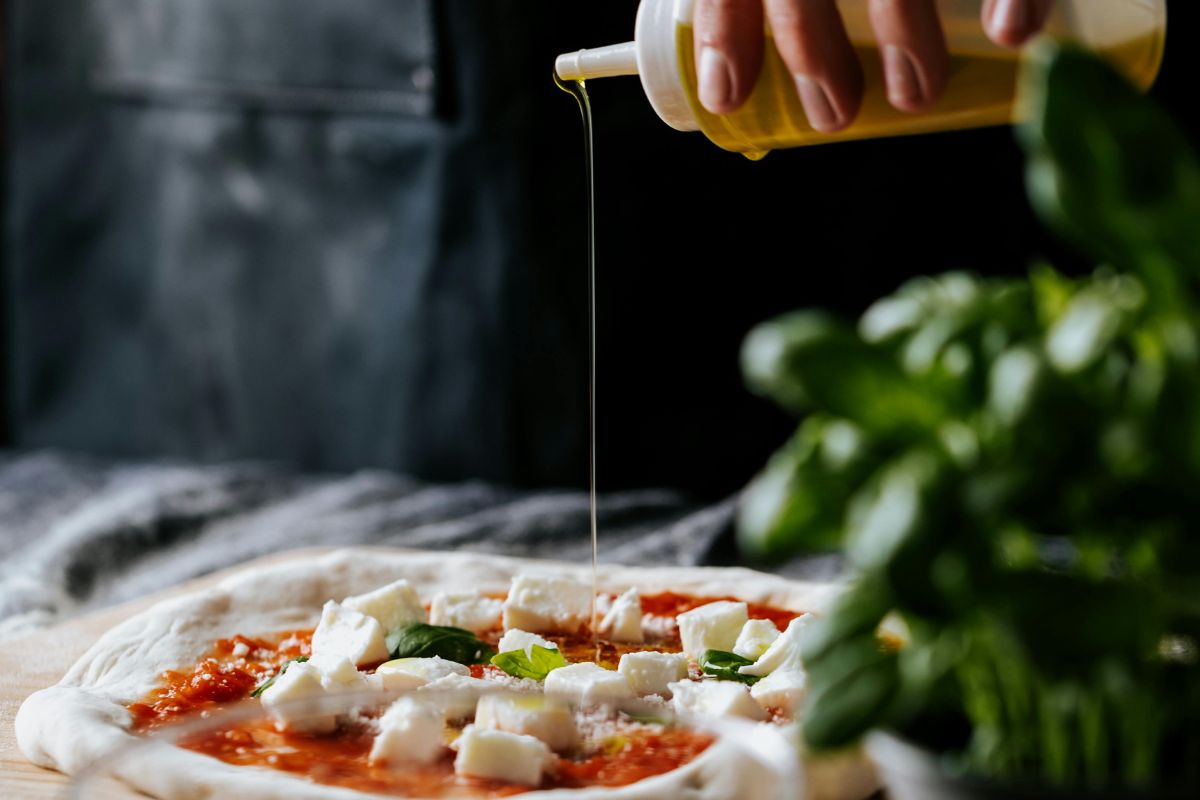
When in doubt, keep it simple—quality tomatoes, fresh mozzarella, basil, and olive oil remain the benchmark for the best homemade pizza dough experience.
Quick Guide: Troubleshooting Your Dough
 Dense or tight crumb? Increase hydration slightly, shorten knead time, and extend fermentation. A few gentle folds during bulk can work wonders. If the dough tears while shaping, rest it longer to relax the gluten.
Not crisp enough? Preheat longer, switch to a baking steel, and launch on the oven’s top third. Limit watery toppings and finish under the broiler for 30–60 seconds if needed.
These small moves convert a soft base into a crispy crust pizza dough with a satisfying snap.
Uneven browning? Rotate halfway through and consider a final minute on a higher rack. If bottoms scorch, lower the rack or reduce sugar in the dough. Keep notes—your future self will thank you as your catalog of homemade pizza ideas grows.
Your Pizza Night, Upgraded
You now have a clear, repeatable path to a reliable pizza dough recipe—from flour choice and gentle handling to cold fermentation and a hot, well-managed bake.
Use these five how-tos as your base playbook, then branch into your favorite Pizza Toppings and formats. With a little practice, your kitchen becomes a test lab for things to make with pizza dough that are simple, bold, and deeply satisfying.
Ready to keep going? Explore more techniques, oven tweaks, and creative pies on Urbaki Cooking. Build your personal rotation of recipes using pizza dough, and enjoy the freedom of a dough that flexes to your taste and schedule.
Other Recipes You’ll Love 😍