
Homemade Heaven: Irresistible Tagliatelle Recipes for Pasta Lovers!

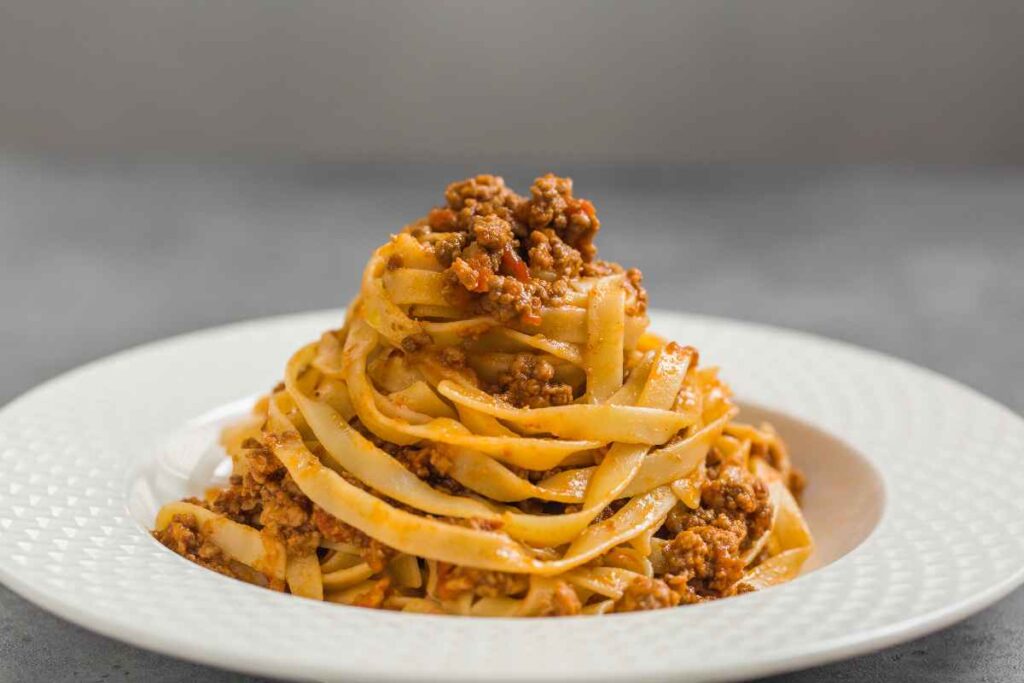
There’s a special kind of comfort in a bowl of homemade tagliatelle. The ribbons are soft but sturdy, the sauce clings to every fold, and the whole plate tastes like slow Italian Sunday even if you made it on a Wednesday.
The best part? You don’t need fancy equipment to make fresh pasta dough at home. You just need flour, eggs, your hands, and a little patience.
By the end of this guide, you’ll know how to make authentic Italian pasta from scratch, plus how to serve it like they do in Emilia-Romagna.
What Is Tagliatelle
Tagliatelle are long, flat ribbons of pasta traditionally from the Emilia-Romagna region in Italy. They’re wider than spaghetti, thinner than fettuccine, and built to hold serious sauce.
In Bologna, locals serve classic ragù alla bolognese with tagliatelle — not with spaghetti — because the sauce is slow-cooked, rich, and needs a wide noodle to carry it properly.
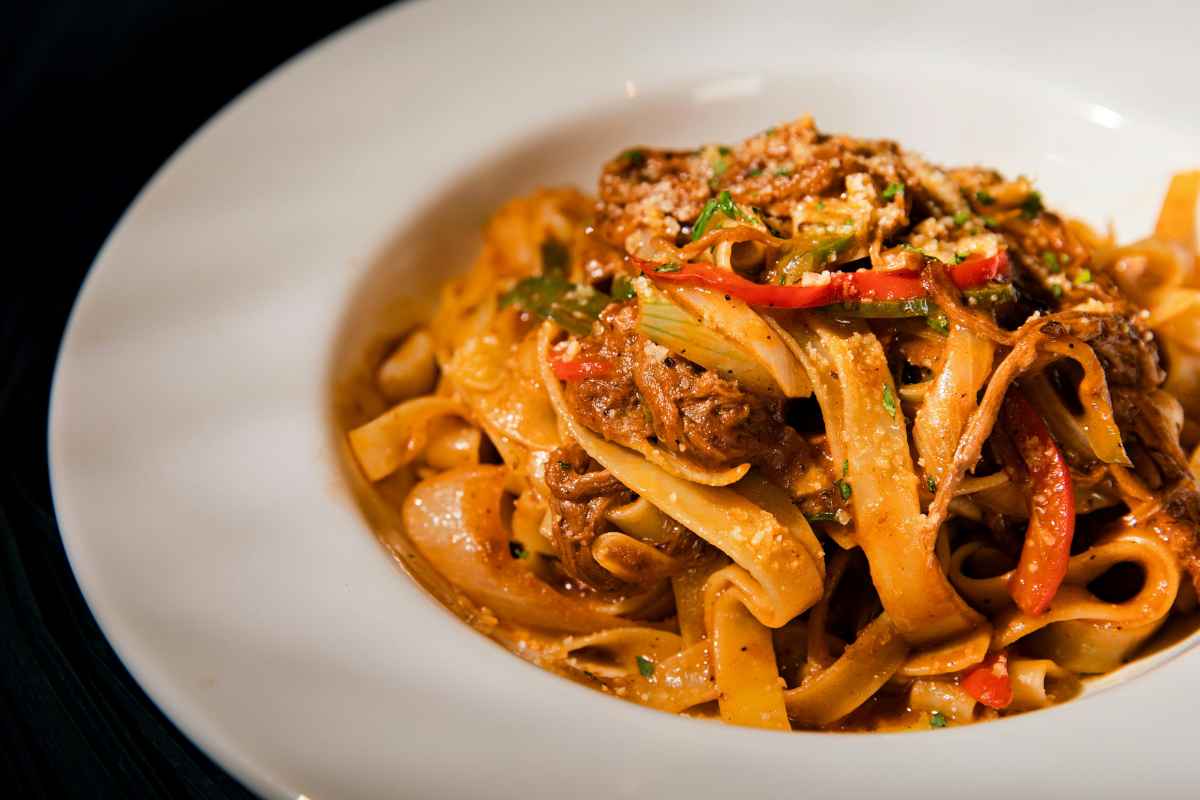
When you make fresh tagliatelle pasta at home, you’re not just cooking dinner. You’re stepping directly into that tradition.
This pasta is also versatile. You can go all-in with a slow meat ragù, or keep it extremely simple with butter and lemon zest. Either way, the texture of homemade pasta makes it feel like something you’d happily brag about to friends.
Ingredients for Homemade Version
For the dough
- 2 cups (about 250 g) all-purpose flour or Italian “00” flour
(You can replace ¼ cup with fine semolina if you like a slightly firmer bite.) - 2 large eggs
- A pinch of salt
That’s it. No water unless you need it. No oil. Just a simple, traditional egg pasta dough.
A quick note on flour
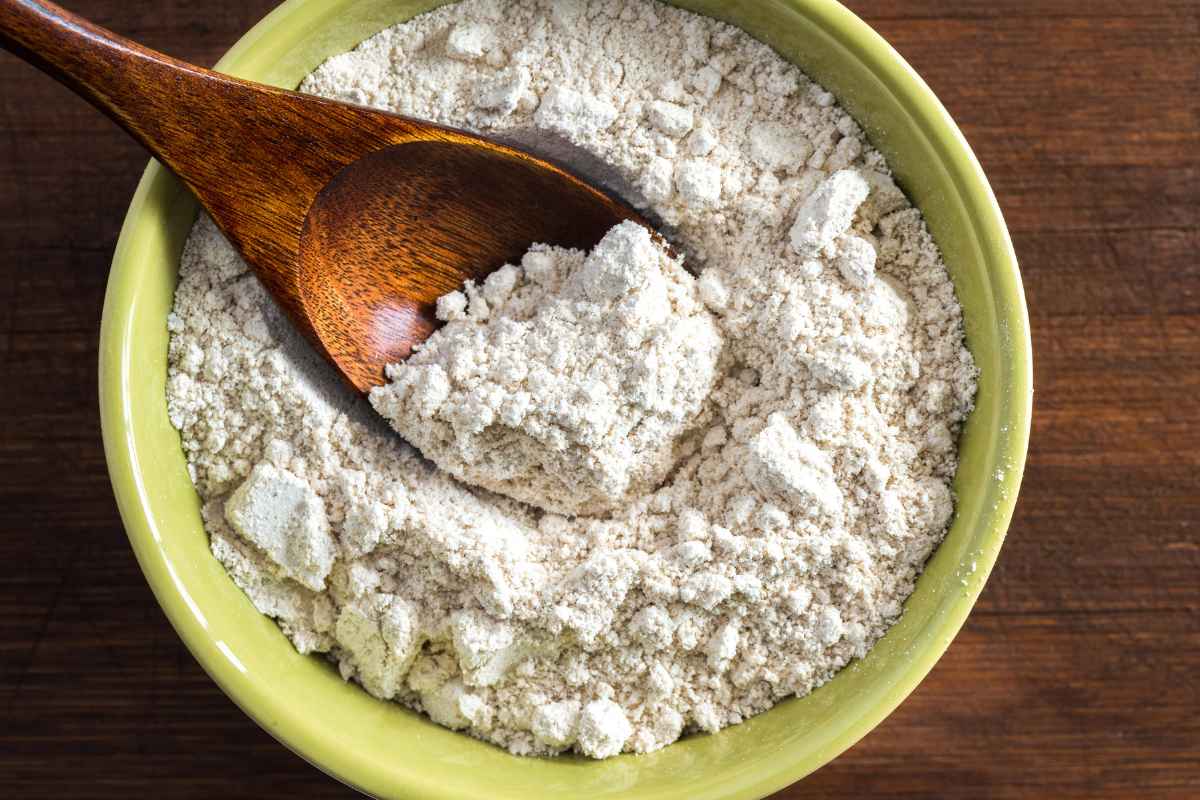
For super silky pasta, Italian “00” flour is perfect because it’s finely milled and creates a tender bite. All-purpose flour works, too, and it’s what most home kitchens already have.
If your dough feels too dry, add a tiny splash of water. If it feels sticky, dust with a bit more flour. The dough should feel smooth and elastic, not wet.
How to Make Fresh Pasta Dough
Step 1. Mix and bring it together
Pour the flour onto a clean work surface and make a little well in the center. Crack in the eggs and add the salt. Use a fork to gently beat the eggs, slowly pulling flour in from the sides until it starts forming a shaggy dough.
If the walls break and egg runs away — welcome to making pasta like a real person. Just scoop it back in and keep going.
Step 2. Knead the dough
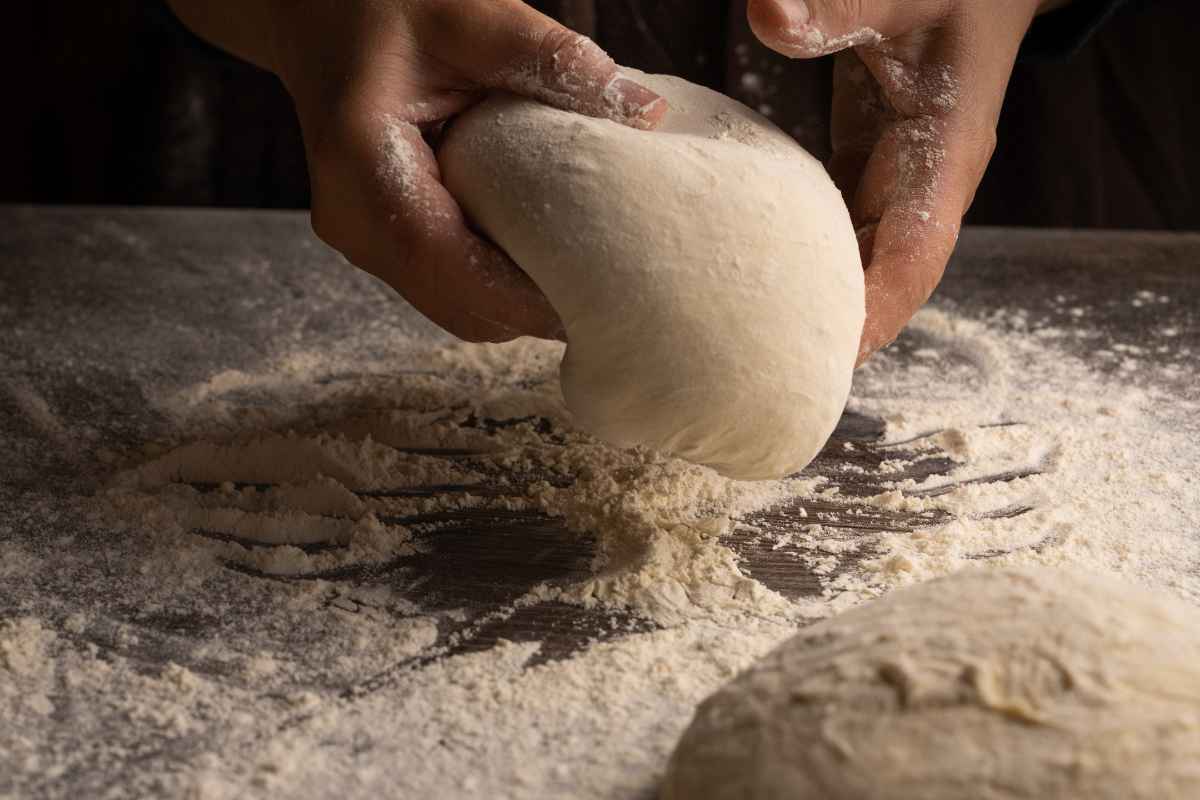
Once it mostly holds together, start kneading with your hands. Press forward with the heel of your palm, fold the dough over itself, and repeat. You’re aiming for a dough that’s smooth and slightly springy. This usually takes about 8–10 minutes of steady kneading.
Here’s how you know it’s ready: when you press a finger in, it should bounce back slowly. That gluten structure is what gives you that beautiful fresh pasta texture.
Step 3. Let it rest
Wrap the dough in plastic or cover it with an upside-down bowl and let it rest for 30 minutes at room temperature. Resting is not optional. This lets the gluten relax so you can roll it thin without fighting it.
How to Roll and Cut
You can absolutely make homemade tagliatelle without a pasta machine. A rolling pin works. You’ll just need a little more time and a little more love.
Step 4. Roll the dough
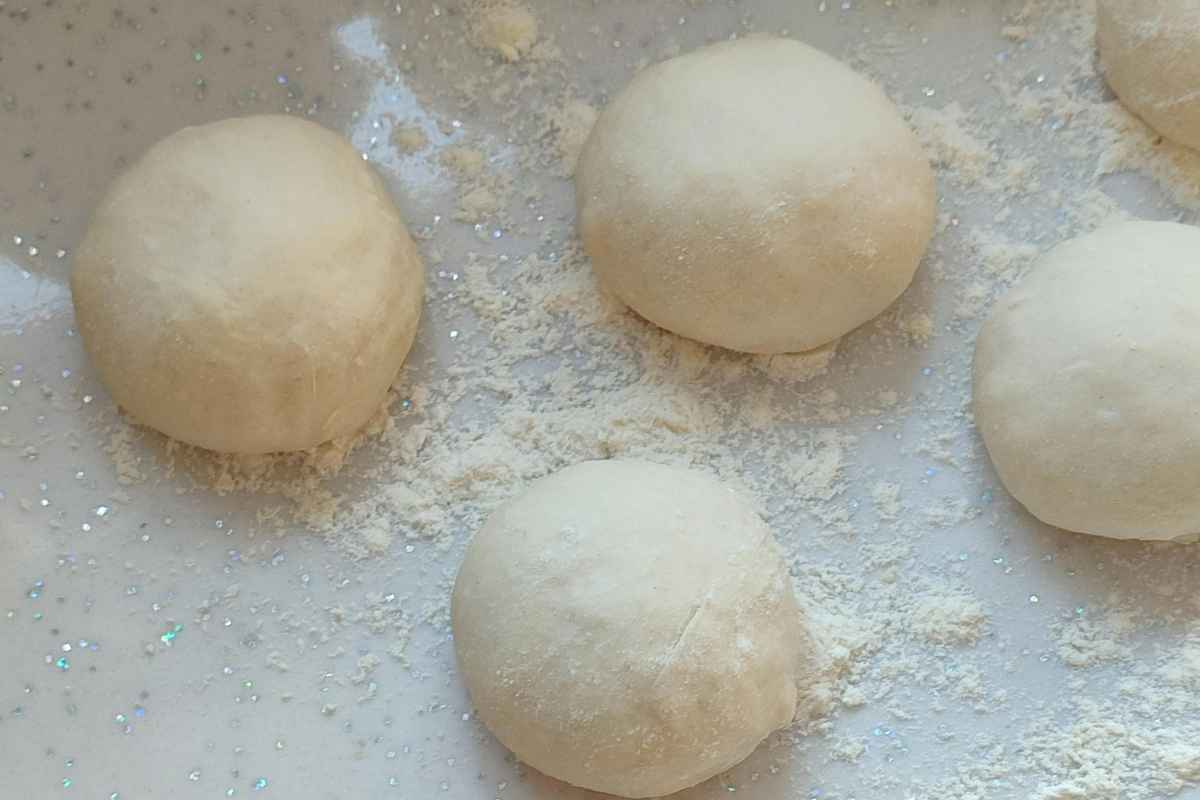
Cut the dough into 2 or 4 smaller pieces. Work with one piece at a time and keep the others covered so they don’t dry out.
If you’re using a rolling pin:
- Dust your surface with flour.
- Roll the dough outward, turning and flipping now and then, until it’s thin.
- You’re looking for roughly the thickness of a credit card. Thin enough to feel delicate, but not so thin that it tears when you pick it up.
If you’re using a pasta machine:
- Start on the widest setting and run the dough through.
- Fold it in thirds like a letter, then run it again.
- Keep going, one notch thinner each time, until it’s smooth and silky.
Step 5. Cut into ribbons
Once the sheet is rolled, dust it lightly with flour or semolina. Loosely fold it over itself like a letter (don’t press it tight). Then slice into long ribbons about ¼ inch (roughly 6–7 mm) wide. Unroll the ribbons and you’ve got fresh tagliatelle pasta.
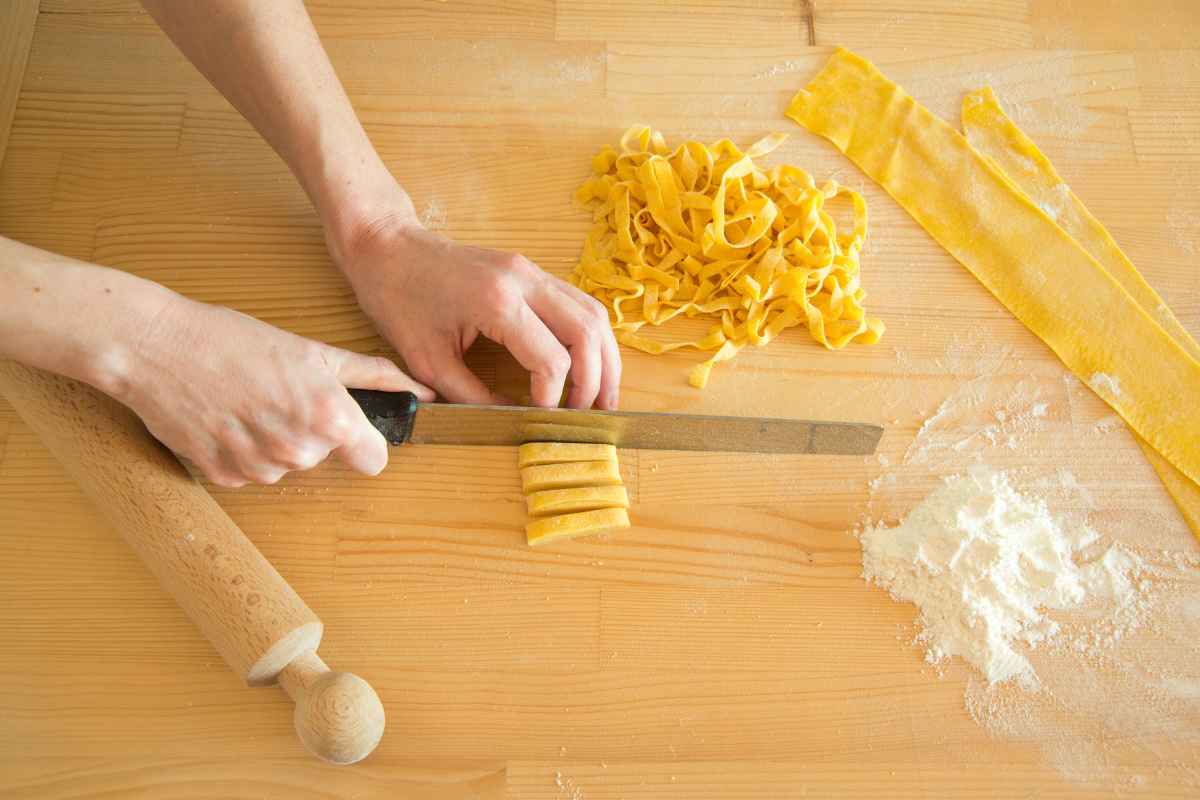
To keep them from sticking, toss them gently with a little more flour and form them into loose “nests.” They’ll sit happily on the counter for a while like that.
Cooking a Perfect Dish
Bring a large pot of water to a rolling boil. Salt it generously — it should taste like the sea. Add the fresh pasta and cook for just 2–3 minutes. Fresh tagliatelle cooks fast, so don’t walk away.
Before draining, scoop out a cup of the starchy cooking water. That water helps you build glossy, restaurant-style sauce.
Drain the pasta, move it right into your pan with sauce, and toss everything together over low heat. The sauce should cling, not puddle.
How to Serve
Here’s where you make it unforgettable. Instead of just saying “tomato sauce,” let’s talk dishes that actually taste like Italy — or like weeknight comfort.
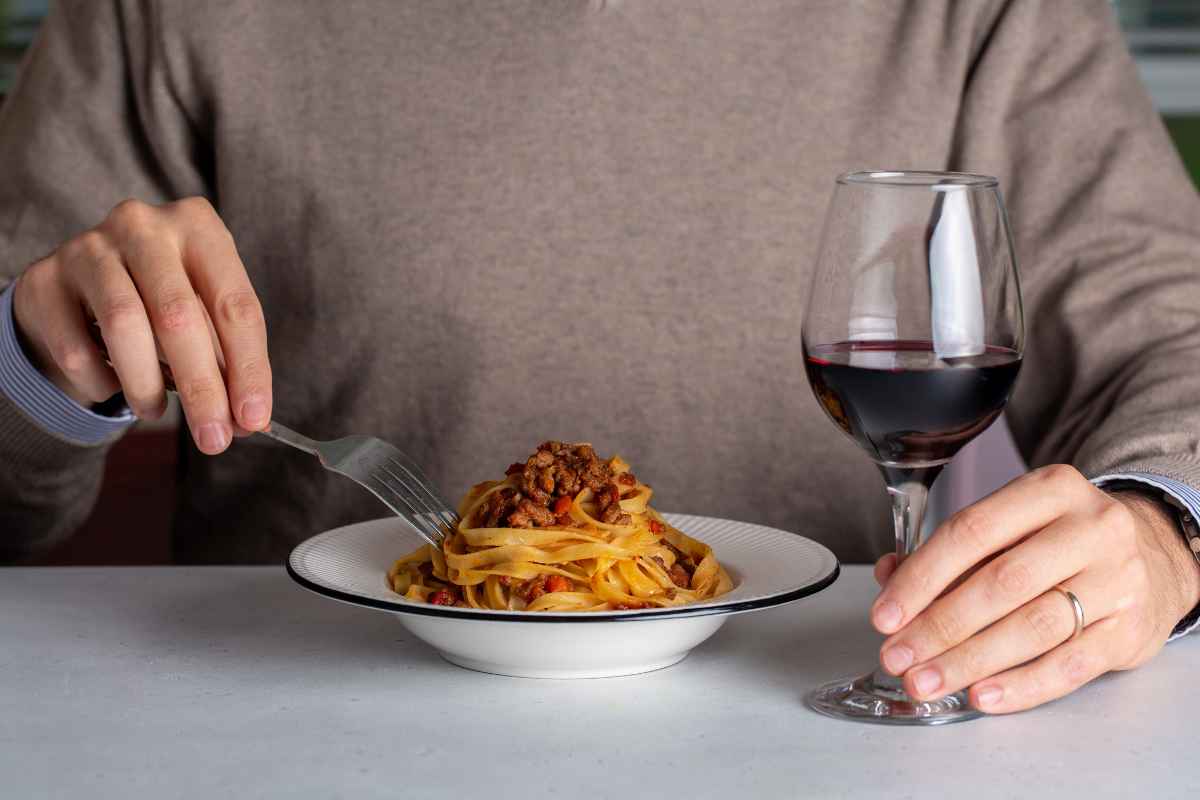
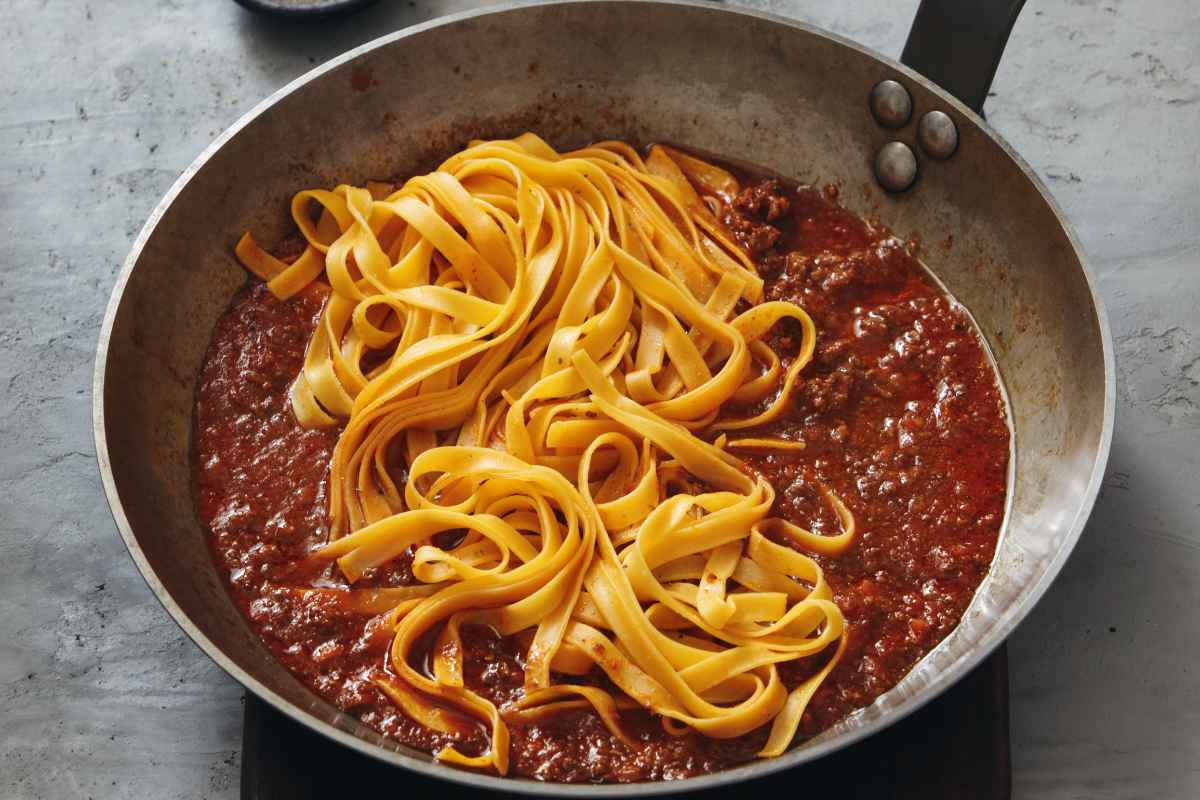
Tagliatelle al Ragù (Bolognese Style)
This is the classic pairing: a slow-cooked meat sauce with ground beef and pork, soffritto (carrot, onion, celery), wine, tomato, and a finish of milk to soften the acidity.
Tagliatelle with ragù alla bolognese is a signature dish in Emilia-Romagna, and the wide noodles are perfect for catching the rich sauce. This is where authentic Italian pasta shines.
Tagliatelle with Mushrooms and Cream
Think earthy mushrooms sautéed in butter and olive oil, a splash of cream, black pepper, and a little pasta water to make it silky instead of heavy.
Top with lots of grated Parmesan. This kind of creamy mushroom pasta is cozy, fast, and feels way more “restaurant” than “Tuesday.”
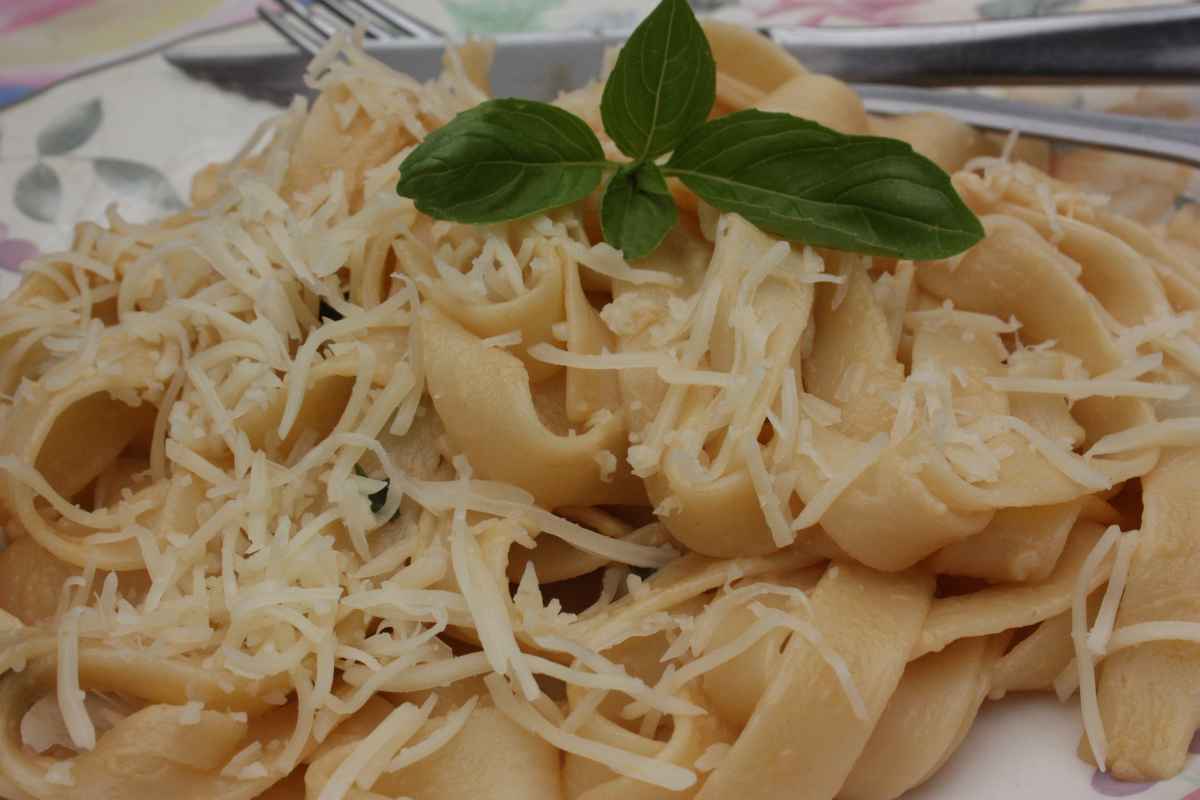
Tagliatelle with Lemon, Butter, and Parm
Melt butter in a pan, add a little pasta water, toss in the hot noodles, then finish with lemon zest, black pepper, and plenty of cheese. It’s bright, simple, and perfect if you want easy homemade pasta without meat.
These aren’t just sauces. They’re moods.
Make It Yours: Colored and Flavored
If you’ve ever seen gorgeous green, pink, or black pasta and thought “I could never do that,” surprise: you can.
- Spinach Tagliatelle: Blend cooked spinach and mix it into the dough for naturally green pasta. Pairs beautifully with lemon-butter or light cream sauces.
- Beet Tagliatelle: Add pureed roasted beet to get that deep pink-magenta color. It looks dramatic and makes an amazing plate for date night.
- Squid Ink Tagliatelle: A little squid ink turns the dough jet black and gives a subtle ocean flavor. Ideal with seafood.
This is how you go from “I made pasta” to “I serve signature pasta.”
Pro Tips for Success
These are the little details that make fresh tagliatelle from scratch go from good to unforgettable:
- If your dough is cracking while you knead, it’s too dry. Wet your fingers with a little water and work it in.
- If it’s sticking to everything, dust it — and your hands — with flour or semolina.
- Don’t skip the rest time. It’s what lets you roll the dough thin without arm-wrestling it.
- When tossing the pasta with sauce, add a splash of that salty pasta water. It pulls everything together and helps create that glossy, restaurant-style finish.
- You can freeze freshly cut tagliatelle. Lay the nests on a tray, freeze until firm, then move to a bag. Cook straight from frozen.
Want to Go Deeper into Italian Pasta?
If you’re falling in love with authentic Italian cooking at home, it’s worth exploring traditional pasta guides and regional recipes from Emilia-Romagna and beyond.
Books that focus specifically on fresh egg pasta, filled pasta, and slow ragù techniques will walk you through shaping, drying, and pairing pasta the Italian way, not just the “add jarred sauce and serve” way.
This kind of reading is where you learn things like: spaghetti is not actually the traditional partner for Bolognese — tagliatelle with ragù is.
Your Next Bowl of Comfort
Here’s the move: make one batch of homemade tagliatelle, cook half right now with lemon, butter, and Parm, and freeze the rest in little nests.
Tomorrow night you pull out your own pasta, toss it with a creamy mushroom sauce, and casually say, “Yeah, I make my own pasta now. Call it confidence. Call it comfort. Call it dinner.
Enjoy Watching This Video with a Similar Recipe

Source: Vincenzo's Plate
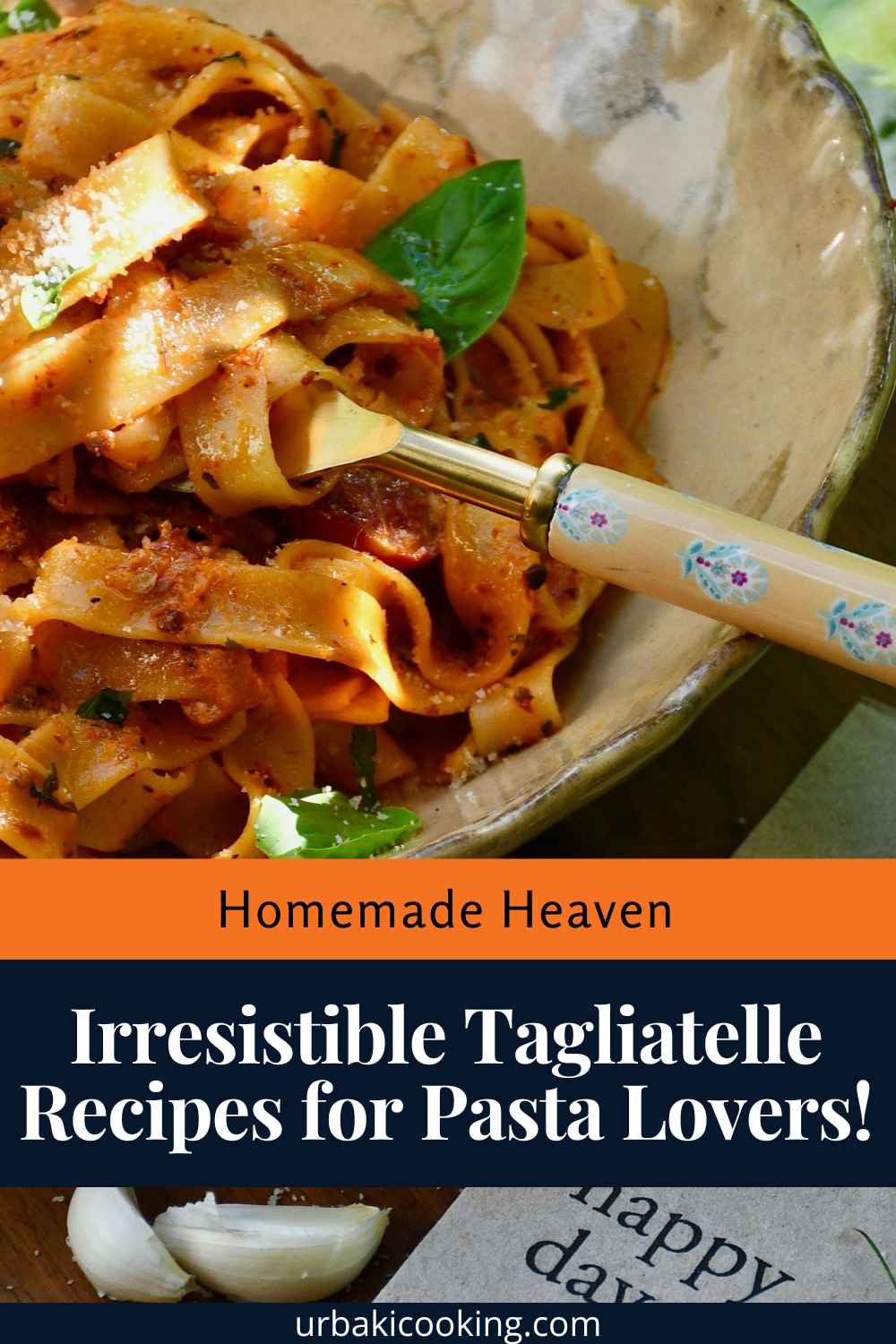
Did you find this post useful or inspiring? Save THIS PIN to your Cooking Board on Pinterest! 😊
Other Recipes You’ll Love 😍