
Soft Homemade Dinner Rolls (Easy Make-Ahead Recipe for Thanksgiving)

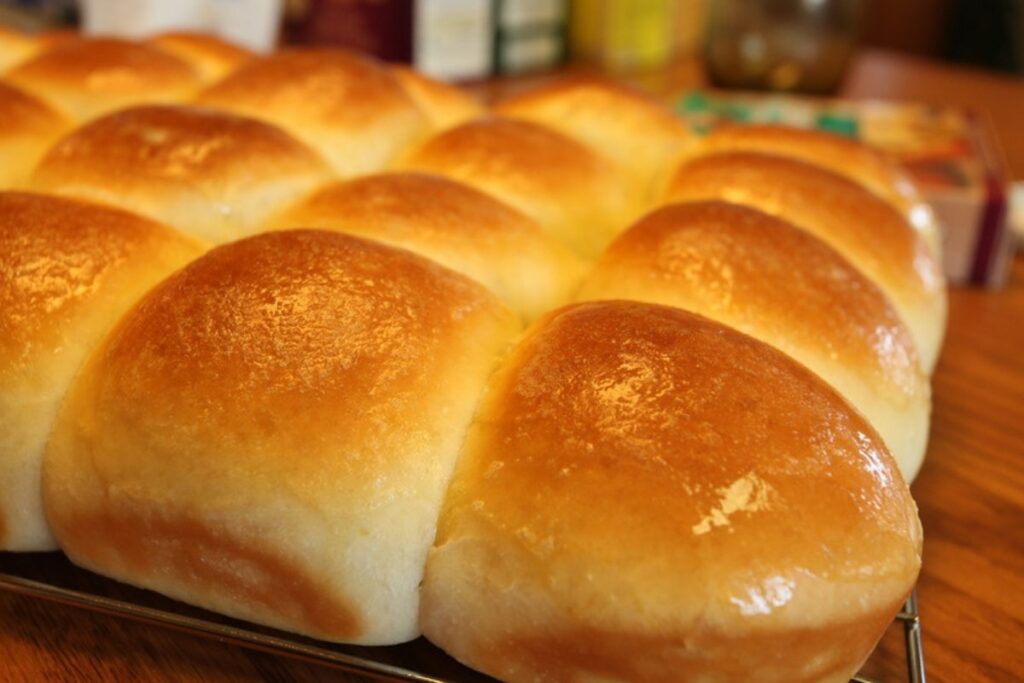
A basket of warm, buttery rolls is the thing people reach for first at Thanksgiving, and somehow the thing that runs out first too. These homemade dinner rolls are soft, slightly sweet and pull apart in fluffy pieces. The dough uses pantry staples, comes together in about 15 minutes of hands-on work, and can be shaped the night before so the oven is free when the turkey needs it.
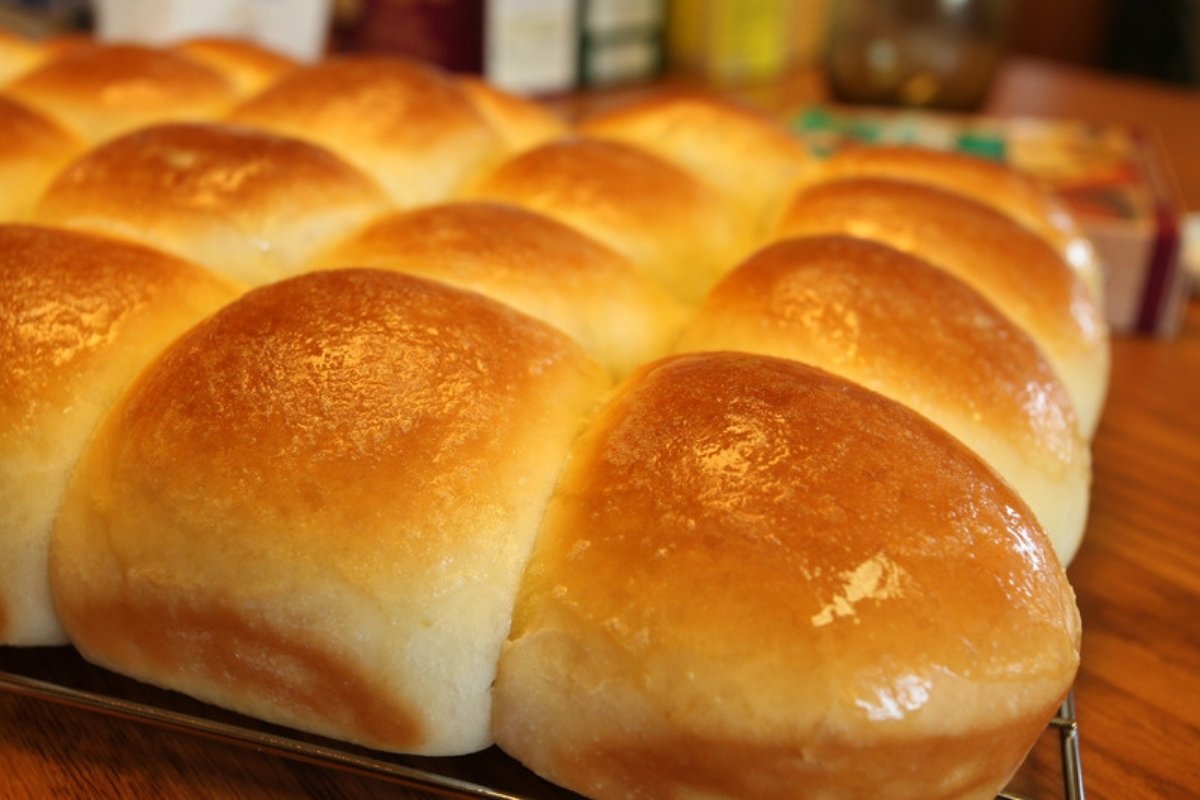
Why you'll love these rolls
- Soft and tender: milk, an egg and butter make an enriched dough that bakes up pillowy instead of crusty.
- No special equipment: a stand mixer helps, but you can knead the dough by hand in about 8 minutes.
- Make-ahead friendly: shape the rolls, chill them overnight and bake them right before dinner.
- Sized for a family dinner: 12 rolls fill a typical holiday bread basket, and the recipe doubles easily for a bigger crowd.
Ingredients
Makes 12 rolls in a 9x13-inch (23x33 cm) pan.
- 1 cup (240 ml) whole milk
- 2 1/4 teaspoons (1 packet, 7 g) instant or active dry yeast
- 1/4 cup (50 g) granulated sugar
- 1 large egg, at room temperature
- 4 tablespoons (57 g) unsalted butter, softened
- 1 teaspoon fine salt
- 3 1/2 cups (440 g) all-purpose flour, plus up to 1/4 cup (30 g) more as needed
- 2 tablespoons (28 g) unsalted butter, melted, for brushing
- Flaky sea salt, optional, for topping
How to make homemade dinner rolls
1. Warm the milk and wake up the yeast
Heat the milk until it feels warm but not hot, about 105 to 110°F (40 to 43°C). Milk that is too hot can kill the yeast, so if you don't have a thermometer, it should feel comfortably warm on the inside of your wrist.
Pour the warm milk into a large mixing bowl or the bowl of a stand mixer. If you are using active dry yeast, stir in the yeast and 1 teaspoon of the sugar and let it sit for 5 to 10 minutes, until foamy. Instant yeast doesn't need this step; just stir it into the milk.
2. Mix and knead the dough
Add the rest of the sugar, the egg, the softened butter, the salt and 2 cups (250 g) of the flour. Mix on low speed with the dough hook (or with a wooden spoon) until combined. Add the remaining 1 1/2 cups (190 g) of flour a little at a time.
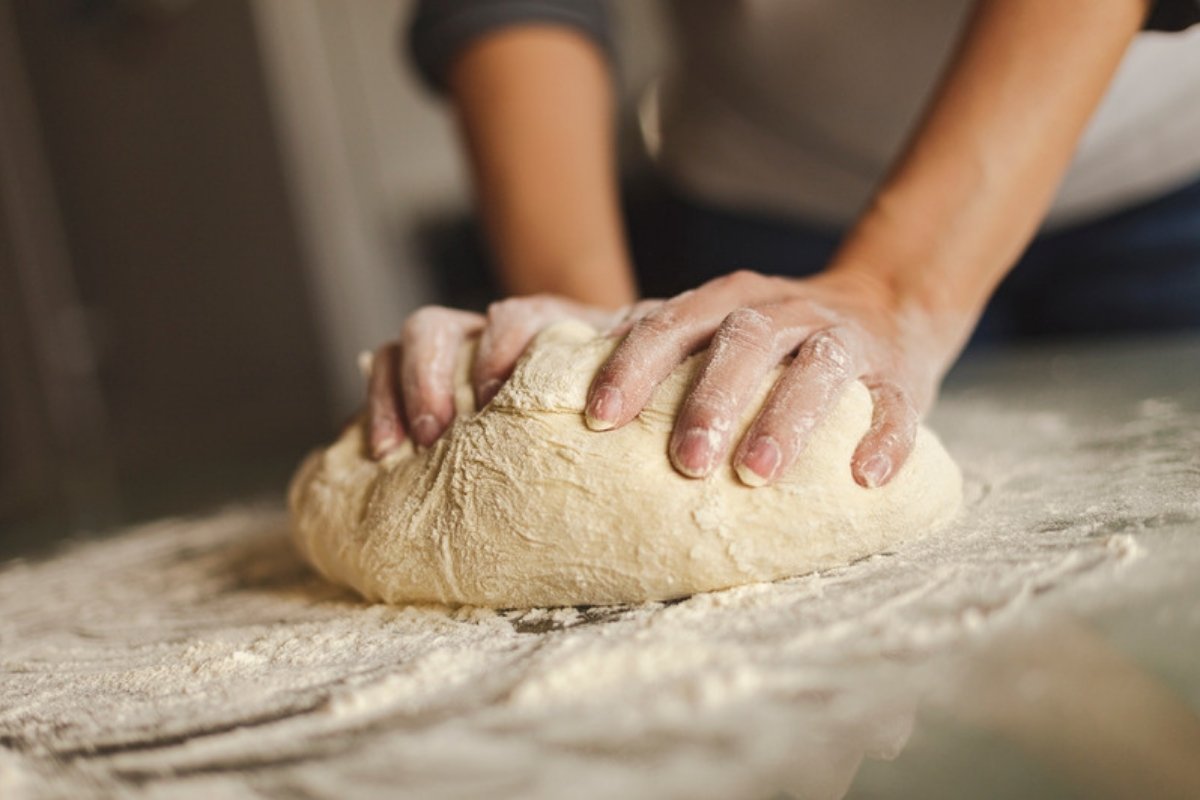
Knead for 5 to 6 minutes in the mixer, or about 8 minutes by hand on a lightly floured counter. The dough is ready when it is smooth, soft and slightly tacky but doesn't stick to clean fingers. If it is still very sticky after a few minutes, add more flour 1 tablespoon at a time, up to 1/4 cup. Too much flour is the most common reason rolls turn out dense, so add it slowly.
3. Let the dough rise
Shape the dough into a ball, place it in a lightly greased bowl and cover it with plastic wrap or a clean kitchen towel. Let it rise in a warm spot until doubled in size, about 1 to 1 1/2 hours. A turned-off oven with the light on is a good place on a cold day.
4. Shape the rolls
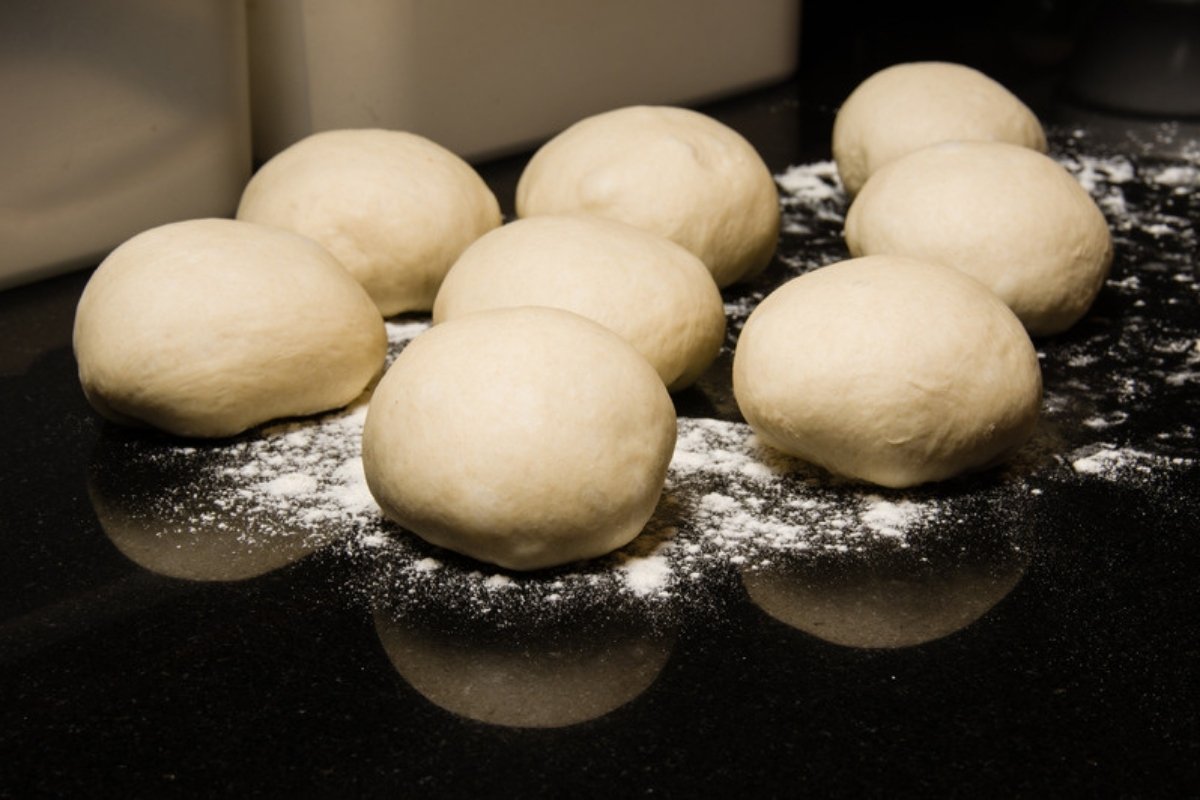
Grease a 9x13-inch baking pan. Punch down the dough to release the air and turn it out onto the counter. Divide it into 12 equal pieces; a kitchen scale makes this easy, and each piece will weigh about 70 g.
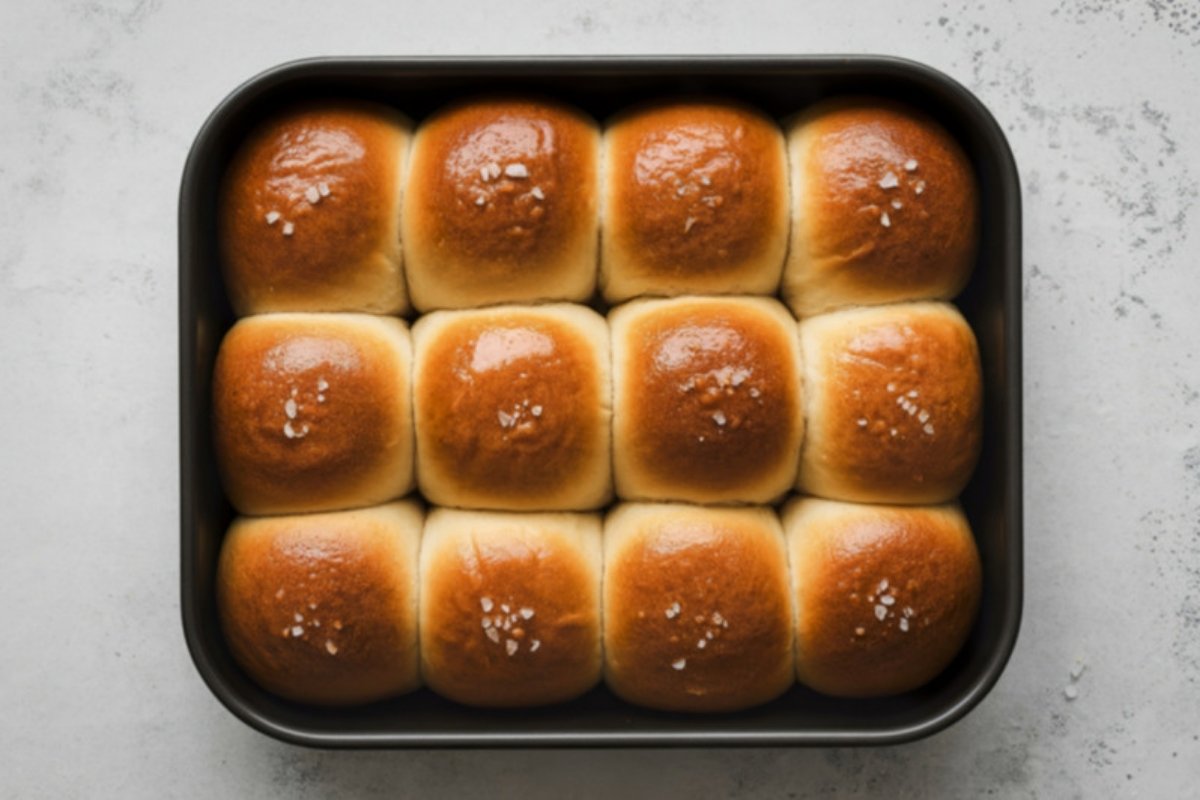
To shape each roll, pull the edges of the dough piece underneath to make a smooth top, then roll it in a circle under your cupped hand until you have a tight ball. Arrange the rolls in the pan in 3 rows of 4, leaving a little space between them.
5. Second rise
Cover the pan and let the rolls rise for 30 to 45 minutes, until they are puffy and touching each other. While they rise, heat the oven to 375°F (190°C) with a rack in the middle.
6. Bake and brush with butter
Bake for 18 to 22 minutes, until the tops are deep golden brown. If you have an instant-read thermometer, the center of a roll should read about 190°F (88°C). If the tops brown too fast, lay a sheet of foil loosely over the pan for the last few minutes.
Brush the hot rolls with the melted butter as soon as they come out of the oven and sprinkle with flaky salt if you like. Let them cool in the pan for 5 to 10 minutes before pulling them apart.
Tips for the softest rolls
- Measure flour by weight or spoon it into the cup and level it off. Scooping straight from the bag packs in extra flour.
- Keep the dough soft. A slightly tacky dough bakes into a lighter roll than a stiff, dry one.
- Don't rush the rise. In a cool kitchen the first rise can take closer to 2 hours. Go by size, not by the clock.
- Bake them close together. Rolls that touch in the pan rise up instead of out and stay soft on the sides.
Substitutions and variations
- Milk: 2% milk works fine. Unsweetened oat milk also works, though the rolls will be a little less rich.
- Bread flour: you can use the same amount for a slightly chewier roll.
- Honey butter: stir 1 tablespoon of honey into the melted butter before brushing.
- Garlic herb: add 1 small minced garlic clove and 1 teaspoon chopped fresh parsley or rosemary to the melted butter.
How to make them ahead, store and reheat
Overnight: after shaping, cover the pan tightly and refrigerate for up to 16 hours. The next day, let the rolls sit at room temperature for about 1 hour, until puffy, then bake as directed.
Storing: keep baked rolls in an airtight container or zip-top bag at room temperature for up to 3 days.
Freezing: cool the baked rolls completely, wrap them well and freeze for up to 3 months. Thaw them at room temperature.
Reheating: wrap the rolls in foil and warm them in a 350°F (175°C) oven for about 10 minutes.
Frequently asked questions
Why are my dinner rolls dense?
The usual causes are too much flour, a dough that didn't rise long enough, or yeast that was past its date or killed by milk that was too hot. Check the yeast's expiration date and let the dough double before shaping.
Can I make the dough without a mixer?
Yes. Mix the dough with a wooden spoon until it gets too stiff to stir, then knead it by hand on a lightly floured counter for about 8 minutes, until smooth and elastic.
Can I bake them in a different pan?
For a 9-inch square pan, divide the dough into 9 pieces instead of 12 and bake the larger rolls for a few extra minutes. You can also bake the rolls spaced apart on a parchment-lined baking sheet, but they will have firmer sides.
More recipes for your holiday table
- Easy Turkey Gravy from Pan Drippings
- Apple and Sausage Cornbread Stuffing
- Homemade Cranberry Sauce
- Roasted Brussels Sprouts and Sweet Potato
Warm rolls, a little butter and good gravy to mop up: that's most of what a holiday plate needs. Bake a batch this week as a test run, and you'll have the timing down well before Thanksgiving.
Other Recipes You’ll Love 😍