
Classic Eggs Benedict: A Delicious Brunch Staple


If you’re craving a café-style eggs benedict at home, this guide delivers silky hollandaise sauce, jammy poached eggs, and a toasty English muffin with a whisper of lemon and butter.
It’s the kind of brunch recipe that feels special without being fussy, and with a few temperature cues and simple make-ahead tricks, you’ll serve a plate that looks—and tastes—like it came from your favorite spot.
Yield, Time & Skill Level
This recipe makes 8 individual benedicts (two per person; serves 4). Plan for about 35–40 minutes start to finish: the hollandaise takes 8–10 minutes, the eggs 6–8 minutes including setup, and assembly another 5–10.
Difficulty is moderate—but with the visual cues below, it becomes a foolproof eggs benedict you’ll revisit often.

What You’ll Need
A wide saucepan for poaching, a small saucepan or heatproof bowl for the hollandaise, a whisk (or immersion blender), a slotted spoon, and ideally an instant-read thermometer.
English muffins should be split and lightly toasted; Canadian bacon or ham benefits from a quick warm-through in a skillet so the stack stays hot from base to top.
Ingredient Notes
Choose real butter for a glossy, stable hollandaise sauce—unsalted lets you season precisely. Fresh lemon is non-negotiable; it brightens richness.
Use very fresh eggs for poaching (the whites hold tighter), and consider pasteurized eggs if serving anyone who needs extra caution.
Classic Canadian bacon is traditional, but smoked ham, crisp prosciutto, or sautéed spinach for a Florentine variation all work beautifully. A pinch of cayenne or smoked paprika in the sauce adds warmth without overpowering.

The Hollandaise, Two Reliable Methods
Classic Bain-Marie Hollandaise
Melt 1 cup (225 g) butter until hot and sizzling, then keep it warm.
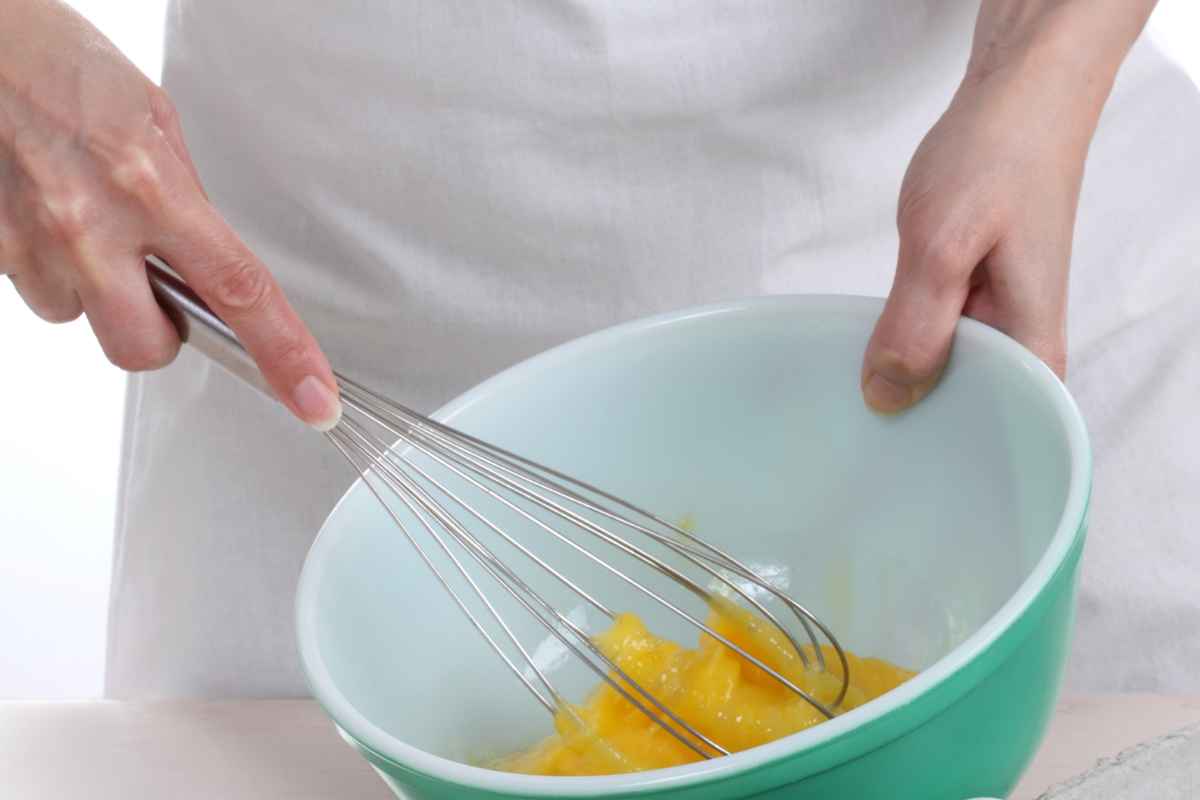
In a heatproof bowl set over barely simmering water, whisk 3 large egg yolks with 1 Tbsp water and 1 Tbsp lemon juice until they thicken to light ribbons—aim for 150–160°F (65–71°C) so the yolks set safely and the foam stabilizes.
Slowly drizzle in the hot butter while whisking constantly, until the sauce turns glossy and thick enough to coat a spoon. Season with ½–¾ tsp fine salt, more lemon to taste, and a pinch of cayenne.
If it thickens too much, whisk in 1–2 tsp warm water to loosen. If it looks like it might separate, pull it off the heat and whisk briskly until it comes back together.
Fast Immersion-Blender Hollandaise
In a narrow jar, combine 3 large egg yolks, 1 Tbsp lemon juice, 1 Tbsp water, a pinch of salt, and cayenne. Blend for 5–10 seconds.
With the blender running at the bottom of the jar, slowly pour in 1 cup very hot melted butter; as the stream finishes, lift the blender slightly to emulsify fully.
Taste and adjust lemon/salt. This method is ultra-stable and perfect when you’re juggling multiple brunch components.
Make it hold: Keep finished hollandaise just warm—not hot—in a preheated thermos or an insulated mug with the lid on. Stir briefly before serving; whisk in a teaspoon of warm water if it tightens. For food safety, avoid holding it warm for more than 1–2 hours.
Perfect Poached Eggs, Every Time
Fill a wide saucepan with 2–3 inches of water and bring it to a bare simmer. Stir in 1–2 tsp white vinegar (it helps the whites set neatly) and a pinch of salt.
Crack each egg into a small cup. Swirl the water gently to create a relaxed vortex and slide an egg into the center; repeat with 2–3 eggs at a time if your pan is wide.
Poach about 3 minutes for runny yolks or 3½–4 minutes for jammy-set centers. Lift with a slotted spoon, let excess water drain, and dab the bottom on a paper towel so your muffin doesn’t get soggy.

Batch tip for a crowd: Poach ahead, shock in ice water, and refrigerate up to 24–48 hours. Rewarm 30–60 seconds in hot (not boiling) water right before plating. This one trick makes brunch at home feel effortless.
Toast, Toppings & Assembly
Toast the muffin halves until crisp at the edges and warm in the middle. Lightly brown Canadian bacon in a skillet, then stack: muffin, bacon, poached egg, and a generous spoonful of hollandaise sauce.
Finish with a sprinkle of chives, dill, or paprika, plus a few drops of lemon if you like it bright. Serve immediately—the magic is the contrast of toasty base, warm savory center, and velvety sauce.
Variations Worth Trying
Lean into creativity while keeping the core promise of eggs benedict—a plush sauce over a soft-centered egg on something toasty:
- Florentine: Sautéed garlicky spinach beneath the egg.
- Royale: Swap bacon for smoked salmon; add dill and lemon zest.

- Crab Cake Benedict: Crisp mini crab cakes as the base; a pinch of Old Bay in the sauce.
- Avocado & Tomato: For a lighter, vegetarian take with freshness and color.
- Prosciutto & Arugula: Peppery greens balance the richness.
- Gluten-Free: Toast your favorite GF English muffins or crisp polenta rounds.
Make-Ahead & Crowd Strategy
Toast muffins in batches and keep them warm in a low oven (250°F/120°C). Warm the meat in the same skillet you’ll use for service so nothing cools on the plate.
Poach eggs ahead and store cold as noted, then rewarm to order. Hold hollandaise just warm in an insulated container; if it thickens, loosen with a teaspoon of warm water and re-season with lemon and salt. This workflow lets you plate eight perfect benedicts in minutes.
Food Safety Essentials
Poached eggs and hollandaise sauce are safe when handled properly. For extra assurance, use pasteurized eggs or aim for a custardy 150–160°F when whisking yolks over steam.

Keep hollandaise gently warm (not hot) and under two hours total in the temperature “danger zone.” When in doubt, make a fresh half-batch rather than holding leftovers.
Troubleshooting Fast
- Sauce too thick: Whisk in 1–2 tsp warm water until it flows luxuriously.
- Sauce split or grainy: Start a fresh yolk in a clean bowl and slowly whisk in the broken sauce to re-emulsify, or blend with an immersion blender.
- Too tangy or too flat: Balance with a pinch of salt and a tiny knob of butter for body, or another squeeze of lemon for brightness.
- Ragged egg whites: Your water was too active or the eggs weren’t ultra-fresh; add a touch more vinegar and keep the simmer gentle.
- Soggy base: Drain eggs well and give muffins a slightly deeper toast.
Serving Ideas & Plating
Add a side of crisp hash browns, tender asparagus with lemon, or a simple arugula salad. For a pro finish, spoon the hollandaise in a slow ribbon so it cascades just over the yolk, then dust with paprika and scatter chives.

A thin lemon wedge on the rim lets guests tweak acidity to taste.
The Brunch You’ll Dream About
With steady heat, fresh eggs, and a confident emulsion, eggs benedict becomes a quick, elegant brunch recipe you can master. The technique is simple, the results are luxurious, and the variations are endless.
Once you’ve nailed your preferred yolk set and lemon level, this will be the dish everyone asks for—especially when you serve it on time, still warm, and tipped with that glossy, golden hollandaise sauce.
Enjoy Watching This Video with a Similar Recipe

Source: Brian Lagerstrom
Did you find this post useful or inspiring? Save THIS PIN to your Cooking Board on Pinterest! 😊

Other Recipes You’ll Love 😍