
3 Ways To Craft Your Own French Toast Recipe

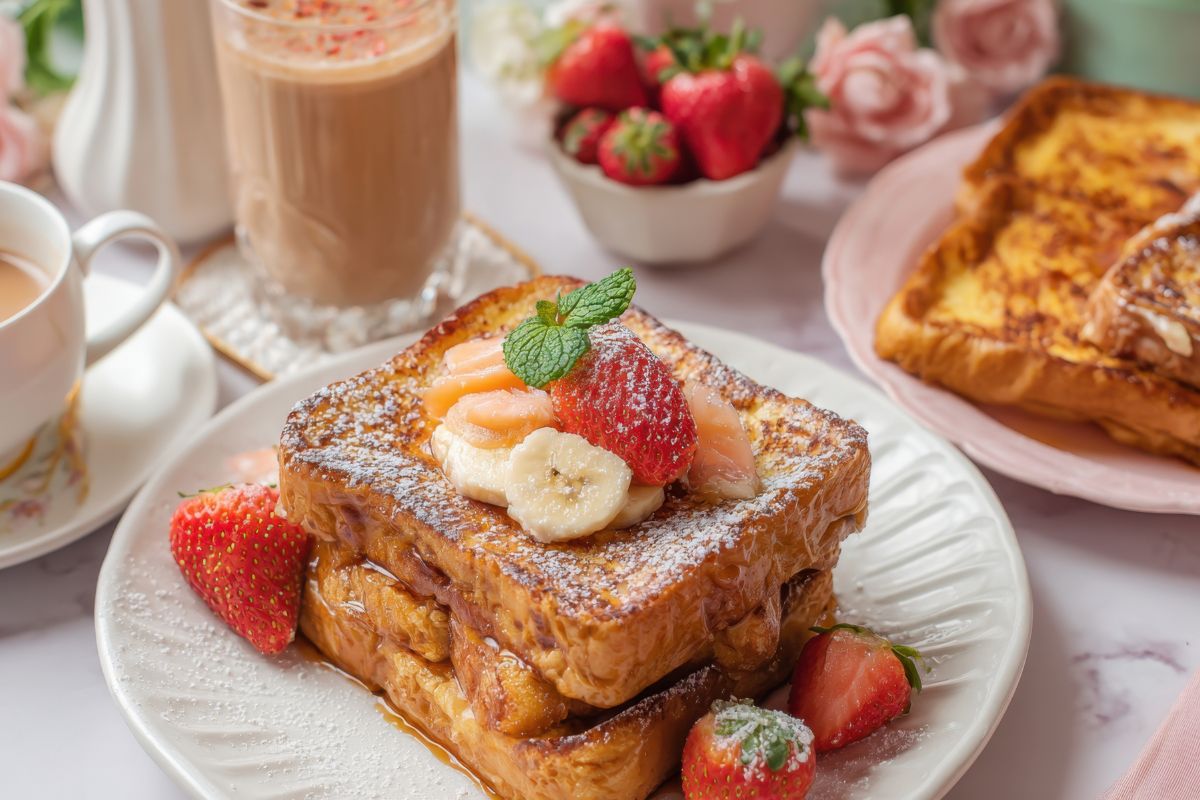
Creating a french toast recipe that feels truly yours doesn’t require a culinary degree—just a smart framework you can tweak for taste, texture, and time.
In this guide, we’ll break down three reliable, beginner-friendly ideas so you can choose the method that fits your morning: a streamlined sheet pan bake, a cozy make-ahead casserole, and the classic stove-top technique.
Along the way, you’ll learn how to balance custard, bread, and heat so your Homemade French Toast Recipe becomes consistently golden, plush inside, and gently crisp at the edges.
Whether you want brunch for a crowd or a quick weekday treat, you’ll walk away with a blueprint to personalize “The Best French Toast Recipe” for your kitchen.
Idea 1: Sheet Pan Method for a Crowd (Fast, Even, Hands-Off)
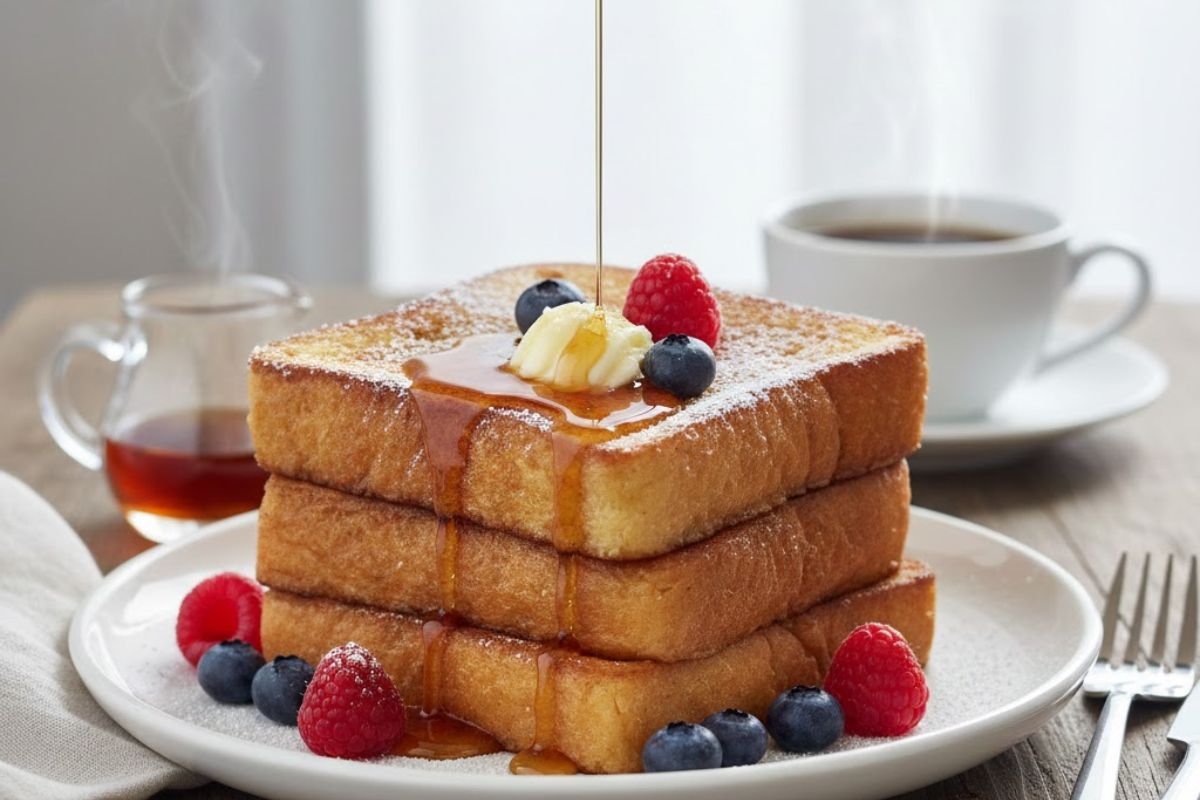 If you want to feed several people without flipping slice after slice, the Sheet Pan French Toast Recipe approach is your friend. Think of it as an Oven French Toast Recipe that trades constant attention for even browning and predictable results.
Arrange thick-cut bread on a buttered tray, soak efficiently, and let a hot oven do the work. The payoff: simultaneous doneness, less mess, and more time to brew coffee or whip fruit and cream.
Customization is where this method shines. Swap in challah, brioche, or sturdy sourdough; adjust the custard by upping cream for a richer bite or using milk for a lighter finish; and layer flavors with citrus zest, vanilla, or warm spices.
Because the heat is consistent, it’s simple to test variations and build your own Easy Homemade French Toast routine that’s repeatable every weekend.
Why it works: a preheated sheet pan and higher oven temp promote caramelization and prevent sogginess. The tray’s surface area also encourages a thin crisp layer underneath while keeping the interior tender.
If your goal is reliability and speed—essentially How To Make French Toast Easy for a crowd—this is it.
Read the quick & easy sheet-pan approach for more details and borrow its timing cues to lock in your personal ratio of milk, eggs, and flavorings.
Idea 2: Cozy Make-Ahead Casserole (Overnight, Shareable, Stress-Free)
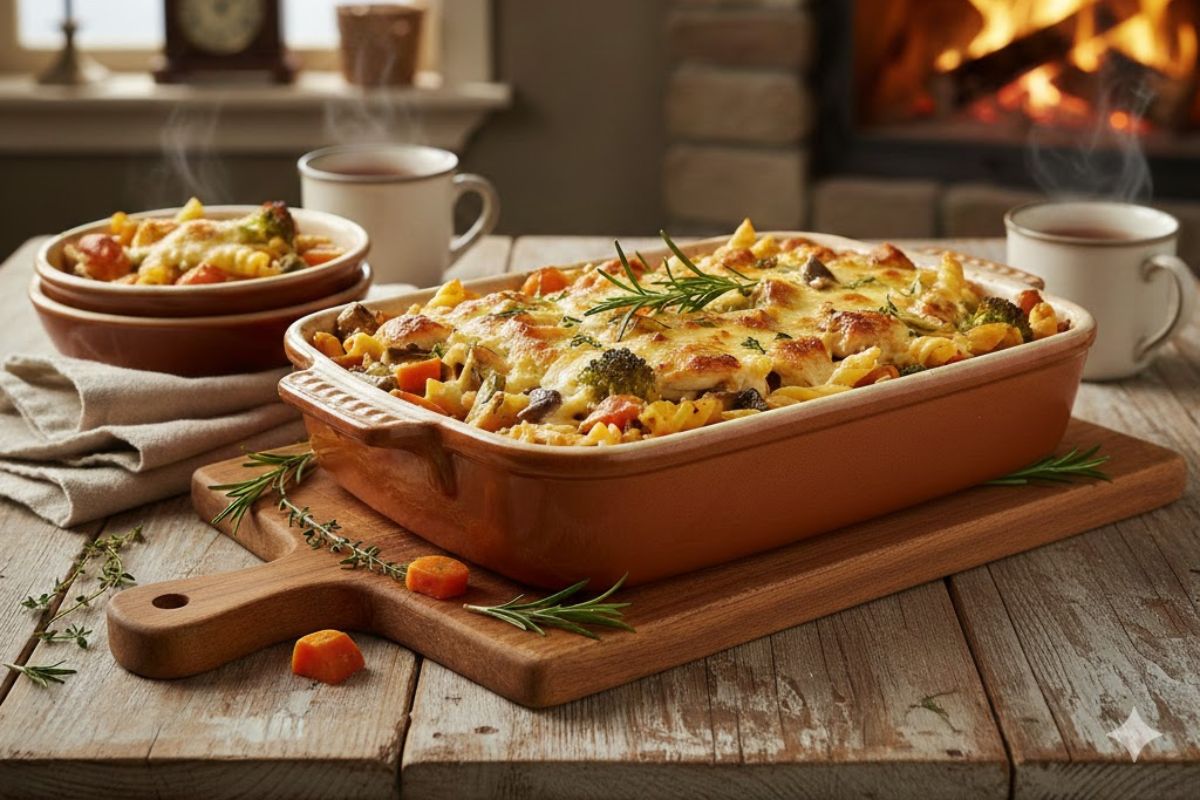 When the plan is brunch with minimal morning prep, a French Toast Recipe Casserole is your best ally. Cubed bread soaks overnight, ensuring custard saturation from edge to center.
In the morning, you just bake. This method often becomes The Best French Toast Recipe for holiday mornings or slow Sundays because it concentrates flavor and delivers a custardy, pudding-like interior.
It’s the definition of How To Make French Toast Easy when you’re hosting.
To tailor it, choose whether you prefer a silky custard (more cream, fewer eggs) or a cheesecake-like richness (more yolks, a touch of cream cheese). Add texture with streusel, chopped nuts, or a brulée-style sugar top.
Fruit can go in two places: baked into the casserole for jammy pockets or spooned on after baking for fresh brightness. Either way, you’ll land on an Easy Homemade French Toast that tastes restaurant-level without the a la minute stress.
Troubleshooting & tweaks: If the center bakes too soft, tent with foil and extend the bake. If it sets too firm, reduce oven temp slightly or add a splash more dairy next time.
The beauty of this approach is repeatability; by adjusting soak time and custard density, you can dial in your signature Homemade French Toast Recipe that’s perfect for your family’s texture preferences.
Explore the best casserole blueprint to see tested custard ratios and topping ideas that you can adapt to your pantry.
Idea 3: Classic Stove-Top Control (Golden Outside, Custardy Inside)
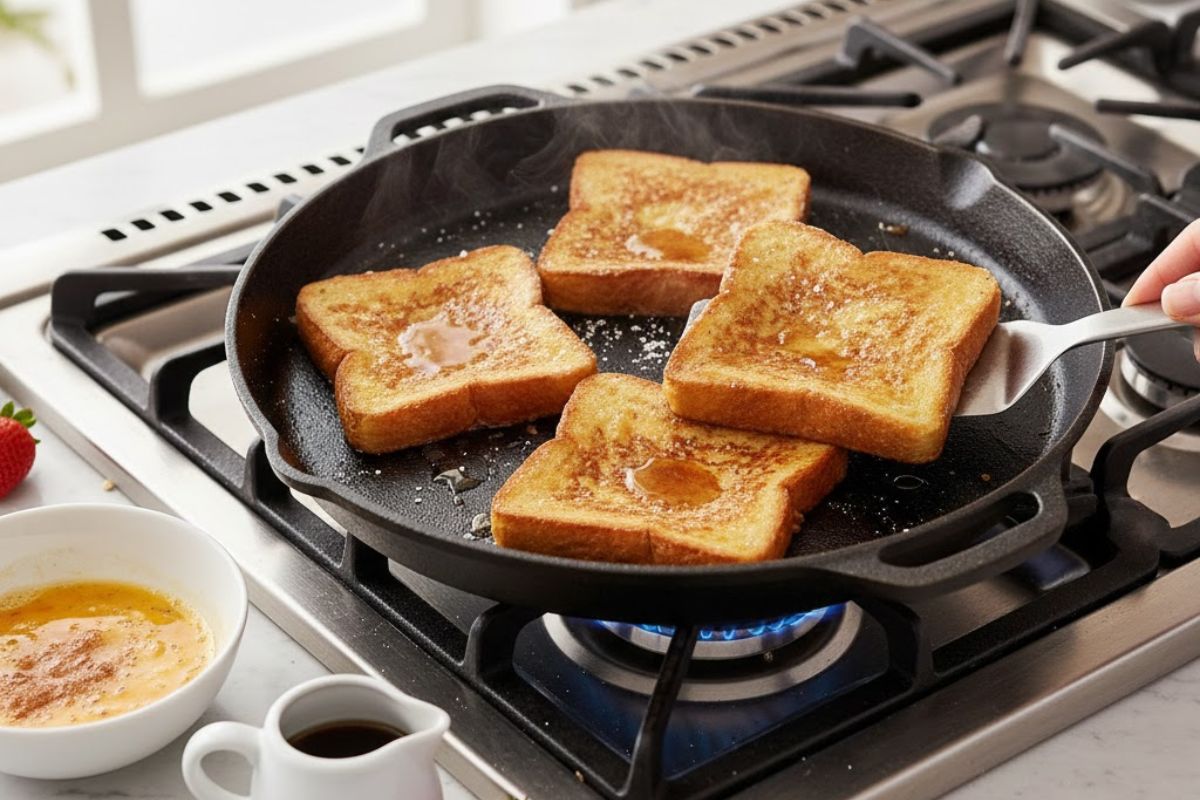 For those who love direct control, the skillet route remains the gold standard—a French Toast Recipe Stove Top gives instant feedback. You can adjust heat on the fly, baste with butter, and watch color develop.
This is the pathway to a signature french toast recipe that matches your exact idea of “done.” It’s also the fastest single-serve method, so it’s great when you’re cooking for one or two.
To personalize the pan method, consider your fat: butter alone brings flavor and browning but can scorch; a butter-oil blend raises the smoke point; clarified butter gives you both aroma and resilience.
For the egg-milk base, a 1 egg : 1/4 cup milk ratio is a common starting point—then you can tweak richer or lighter from there. Bread matters just as much: day-old slices resist breaking and absorb custard evenly.
Pro texture moves: let soaked slices rest on a rack for 1–2 minutes before they hit the pan so excess custard drips off (this prevents a scrambled-egg halo).
Keep the heat moderate; too hot and the sugars burn before the center sets, too low and your slices dry out. When you hear gentle sizzle and see butter foam settle, you’re in the zone for a balanced, Oven French Toast Recipe alternative cooked on the stovetop.
See the classic skillet technique for cues on heat, color, and timing—then adapt it to your favorite bread and spice blend.
Your Personal Blueprint: Build, Balance, and Repeat
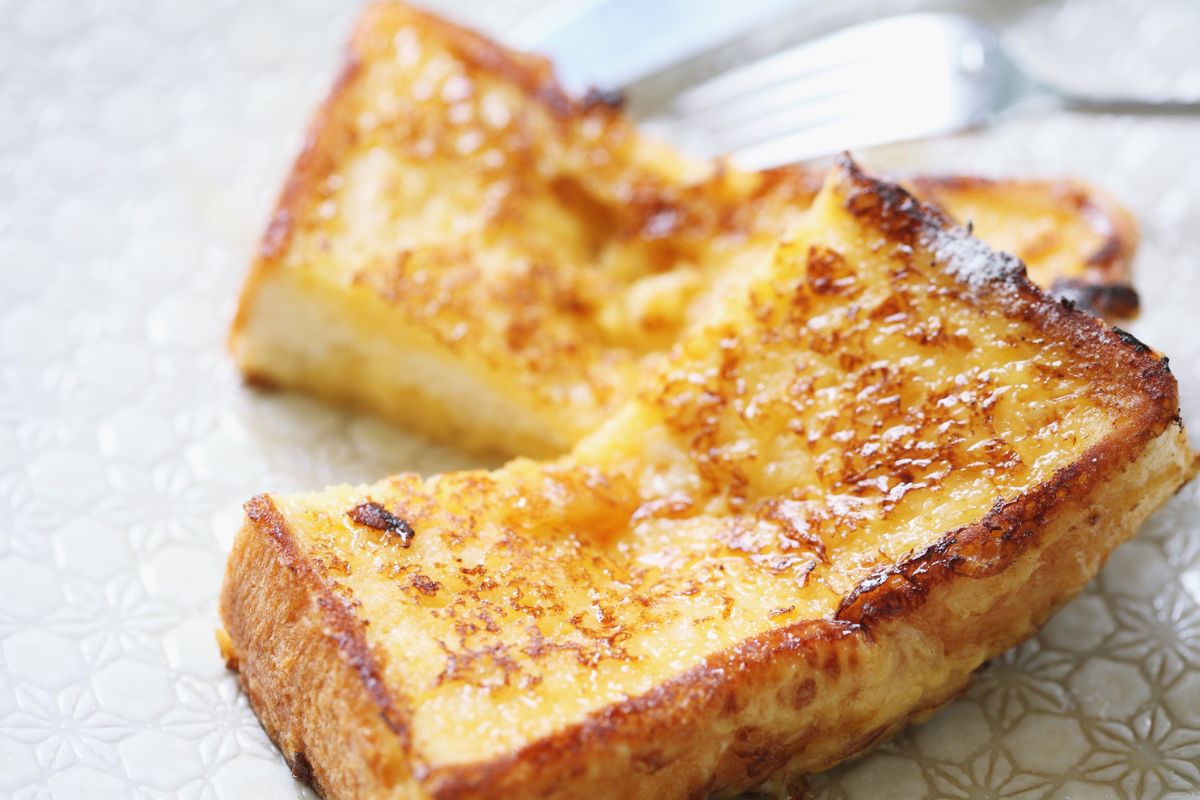 Now that you’ve seen three routes—sheet pan, casserole, and skillet—here’s how to lock in a repeatable formula. Start by picking your preferred texture (crisp-edged versus custardy).
From there, choose a base ratio and a bread that fits: brioche for plushness, challah for an eggy backbone, sourdough for tang and structure.
Add flavors in small increments (¼ teaspoon vanilla or cinnamon at a time) so you can taste the difference and stop when it’s right.
Within two or three attempts, you’ll have “The Best French Toast Recipe” for your household, not just the internet’s.
Keep notes like a mini test kitchen: which bread, how thick, soak time, pan heat or oven temp, and sweetness level. This isn’t about perfection; it’s about How To Make French Toast Easy to reproduce.
If you cook often for kids, lean toward lighter custard and milder spices. If you’re brunching with adults, try orange zest, cardamom, or a splash of bourbon for depth. With a few trials, your Homemade French Toast Recipe becomes muscle memory.
Finally, match the method to the moment: sheet pan for volume and speed, casserole when you want low-stress hosting, and stovetop when you crave control.
Rotate these ideas through the year and you’ll always have an Easy Homemade French Toast option at the ready.
Smart Toppings & Sides (Without Overpowering the Star)
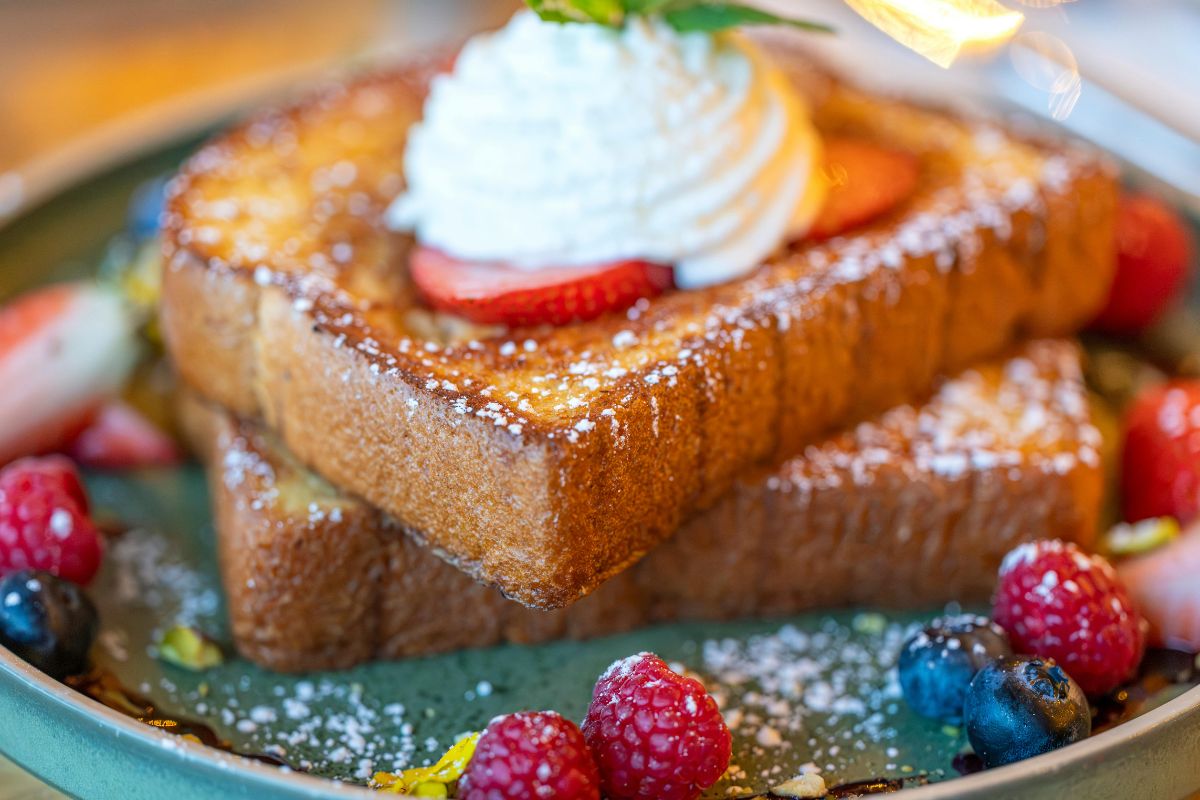 Use toppings to highlight—not hide—your base. Fresh berries and softly whipped cream keep things bright. A thin maple drizzle is plenty if your custard is already sweet.
For crunch, toasted almonds or pecans are great; for warmth, try a brown-butter syrup. If you want a savory angle, crisp bacon or breakfast sausage offers salt and fat that balance sweetness and make your french toast recipe feel complete.
Remember, the richer the custard, the lighter the toppings should be. Casseroles pair nicely with acidic fruit or yogurt, sheet-pan slices love a dusting of powdered sugar, and skillet toast sings with caramelized bananas.
Use plate temperature to your advantage—warm plates prevent steam-softening so edges stay crisp.
Common Pitfalls (And Quick Fixes)
Soggy centers? Dry your bread slightly or reduce soak time. A wire-rack rest before cooking helps, too. Eggy streaks? Whisk the custard until completely homogeneous and strain if needed.
Scorched surface? Lower the heat or add a splash of neutral oil to the butter. Dry texture? Enrich with a touch more dairy or shorten the cook time. These small calibrations are what turn a good French Toast Recipe Stove Top or casserole into a house favorite.
When you hit that sweet spot—golden edges, custardy middle, balanced sweetness—you’ll know you’ve nailed your own Oven French Toast Recipe alternative or sheet-pan version. From there, repetition is your ally.
Other Recipes You’ll Love 😍