
A Taste of Spain: Authentic Gazpacho Recipe for Summer Delight

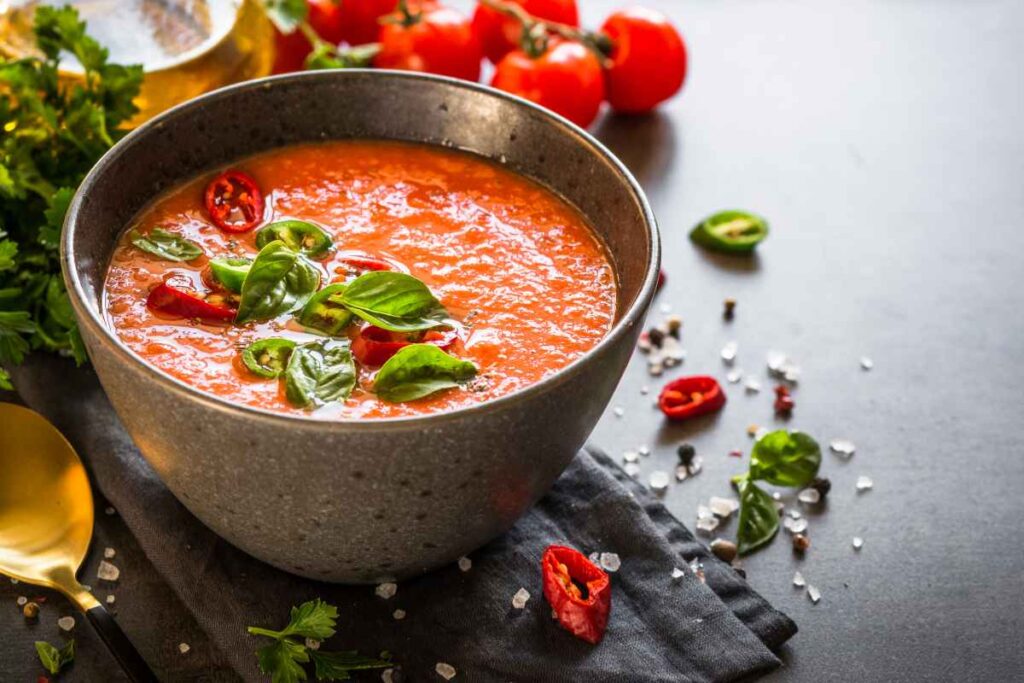
There’s something timeless and refreshing about a bowl of authentic Spanish gazpacho.
This chilled tomato soup from southern Spain captures the essence of summer—ripe tomatoes, crisp vegetables, and fragrant olive oil blended into a smooth, vibrant mixture that cools you down from the inside out.
With a few simple ingredients and the right technique, you can bring a piece of Andalusia straight to your table.
What Makes Authentic Gazpacho Unique
The key to a true Andalusian gazpacho lies in its ingredients and preparation. It’s more than just a cold tomato soup—it’s a careful balance of freshness, acidity, and texture.
The foundation includes ripe tomatoes, cucumber, green bell pepper, onion, garlic, sherry vinegar, and extra virgin olive oil. Unlike many modern versions, a touch of day-old bread is traditionally added to give body and creaminess.
This small detail makes the difference between a thin blend and the silky texture that defines Spanish gazpacho.
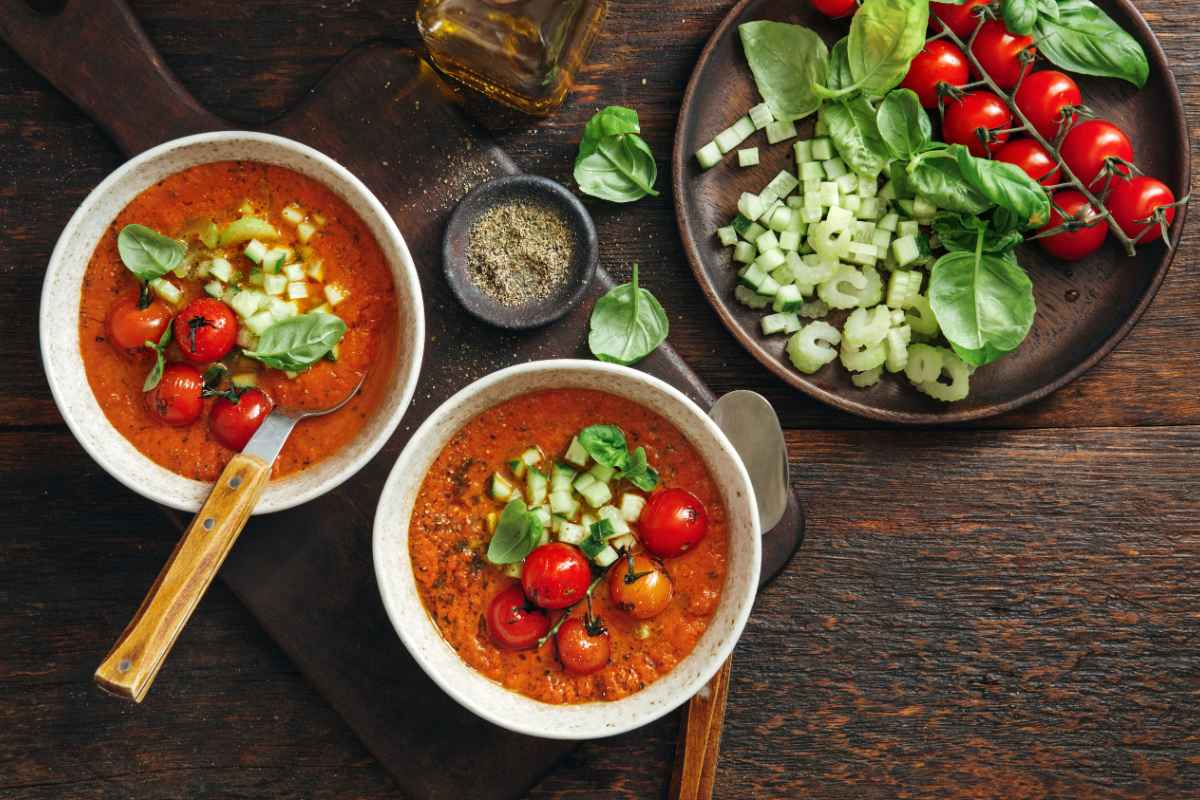
Ingredients (Serves 4–6)
- 2 pounds (1 kg) ripe tomatoes, cored and chopped
- 1 cucumber, peeled and roughly chopped
- 1 green bell pepper, seeded and chopped
- ½ small red onion, roughly chopped
- 1–2 garlic cloves, peeled
- 1 cup (80–100 g) day-old white bread, crusts removed and soaked in ½ cup (120 ml) cold water
- 3 tablespoons sherry vinegar (or to taste)
- ½ cup (120 ml) extra virgin olive oil
- Salt and pepper to taste
- Cold water, as needed to adjust consistency
How to Make It
- Prepare and soak the bread. Cut the bread into pieces and soak it in cold water for 10–15 minutes. Once softened, squeeze out excess water and set aside. This step gives your gazpacho its signature smoothness.
- Combine vegetables. Add the tomatoes, cucumber, bell pepper, onion, garlic, and soaked bread into a blender or food processor. Sprinkle with salt and let the mixture sit for about 15 minutes to allow the flavors to mingle.
- Blend until smooth. Start blending on low, gradually increasing the speed until the texture is completely smooth.
- Emulsify with olive oil. While blending, slowly drizzle in the olive oil to create a creamy, velvety emulsion. Add the sherry vinegar and blend for another 30 seconds.
- Strain for silkiness. For an ultra-smooth result, pass the mixture through a fine-mesh sieve or cheesecloth to remove skins and seeds.
- Chill thoroughly. Transfer the gazpacho to a large bowl or jug, cover, and refrigerate for at least 2 to 4 hours. Proper chilling deepens the flavor and enhances the texture.
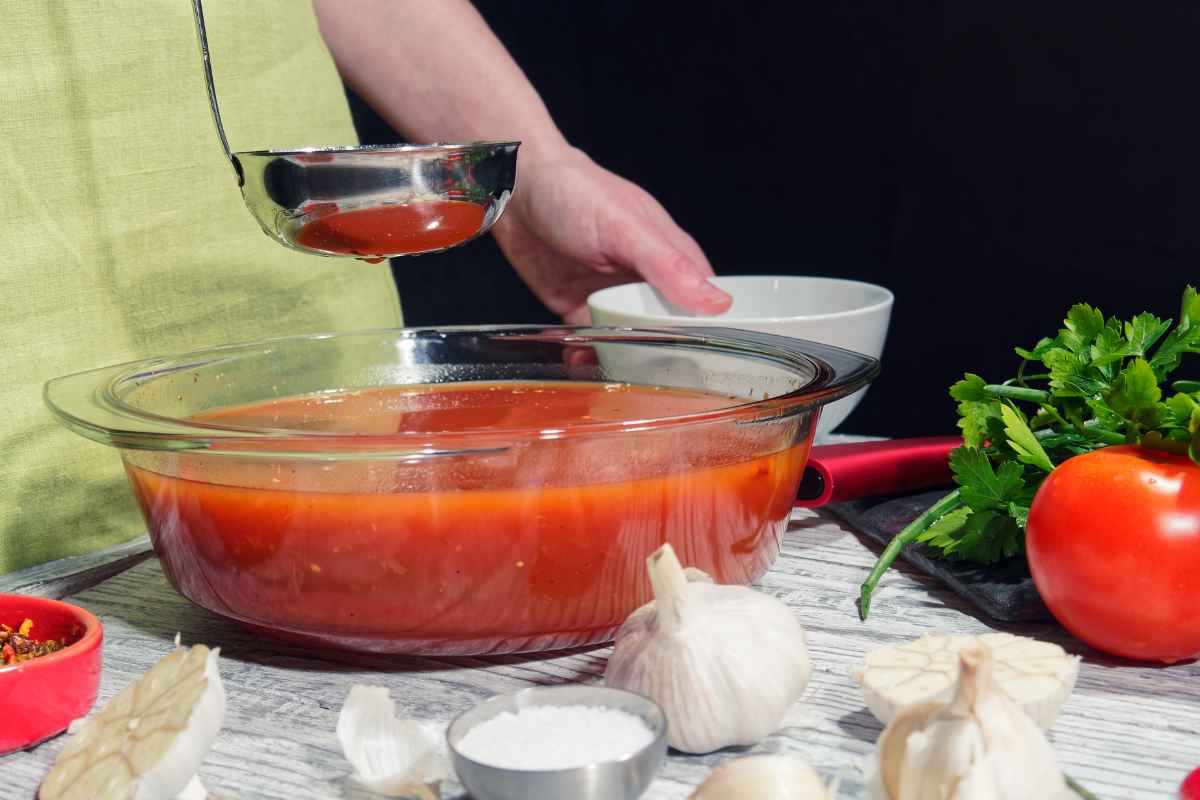
- Serve cold. Pour into bowls or glasses, drizzle with olive oil, and garnish as desired.
Toppings and Serving Ideas
A classic gazpacho is beautiful on its own, but toppings can add both color and crunch. Try diced cucumber, bell pepper, onion, or toasted croutons for a satisfying texture contrast.
For a more traditional Spanish presentation, add finely chopped hard-boiled egg or small bits of serrano ham—or keep it vegan with extra vegetables and a drizzle of olive oil.
Pro Tip: Serve your gazpacho in chilled bowls or glasses for the ultimate summer refreshment.
Tips for the Best Flavor
- Use the ripest tomatoes possible. Overripe tomatoes give the richest flavor and color.
- Sherry vinegar is essential. Its mild, nutty acidity is a hallmark of Andalusian gazpacho. Avoid substituting red wine vinegar unless absolutely necessary.
- Don’t rush the chilling time. Allowing the soup to rest lets the flavors fully develop.
- Adjust consistency to taste. Add a little cold water if it’s too thick, but keep the texture creamy, not watery.

Variations to Try
If you’re inspired to experiment, there are several regional and modern variations worth trying:
- Watermelon Gazpacho: Add 2 cups of cubed watermelon for a naturally sweet twist that balances the vinegar’s acidity.
- Salmorejo: A thicker cousin of gazpacho from Córdoba, made with more bread and less water, and traditionally topped with ham and egg.
- Ajo Blanco: A white, almond-based version flavored with garlic and grapes—a refreshing alternative for hot days.
Each variation tells a different story of Spain’s culinary heritage while celebrating seasonal produce.
Make-Ahead and Storage Tips
Gazpacho is ideal for meal prep. Store it in an airtight container in the refrigerator for up to three days. Stir or shake well before serving, as natural separation may occur. Avoid freezing—it will alter the texture and dull the flavor.
Keep in mind that since gazpacho is uncooked, it should be kept cold at all times. Never leave it at room temperature for long periods, especially during summer.

Pairing Gazpacho with Other Spanish Favorites
Gazpacho shines when paired with traditional Spanish tapas. Serve it alongside tortilla española, patatas bravas, or pan con tomate for a light yet satisfying meal.
A glass of crisp white wine or sparkling water with lemon complements the bright, tangy flavors perfectly.
This dish isn’t just a recipe—it’s an experience that brings together simplicity, freshness, and Spanish flair.
Summer in a Bowl
Few dishes capture the spirit of Mediterranean living like gazpacho. It’s simple to make, nutrient-rich, and endlessly refreshing.
Whether you’re hosting a garden lunch or looking for a quick no-cook meal, this authentic Andalusian gazpacho transforms humble ingredients into something truly special.
Embrace the art of cold Spanish soups—each spoonful is a reminder that sometimes, the simplest recipes are the most extraordinary.
Enjoy Watching This Video with a Similar Recipe
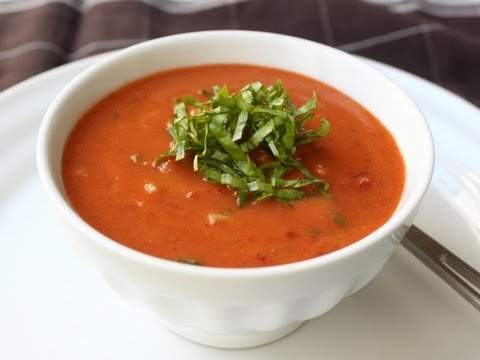
Source: Food Wishes
Did you find this post useful or inspiring? Save THIS PIN to your Cooking Board on Pinterest! 😊

Other Recipes You’ll Love 😍