
How To Make Hummus - Healthy & Easy Hummus Recipe


Hummus is more than just a delicious spread; it's a nutritious, plant-based dip that’s perfect for almost any occasion.
Whether you’re looking to add a healthy snack to your diet, make a quick meal, or impress guests with a savory dish, homemade hummus is the perfect choice.
In this guide, we’ll not only show you how to make healthy hummus from scratch, but we’ll also dive into the benefits, tips for perfecting the recipe, and fun variations to keep things exciting.
Why Hummus is a Healthy Choice
Hummus is a Mediterranean dish that's become popular worldwide for its nutrient-dense ingredients. Made primarily from chickpeas (also known as garbanzo beans) and tahini (sesame paste), hummus is a rich source of plant-based protein, fiber, and healthy fats.
Key Nutritional Benefits
- High in protein: Chickpeas provide a great plant-based protein source, making hummus an excellent choice for vegetarians and vegans.
- Rich in fiber: The fiber from chickpeas helps promote healthy digestion and supports heart health.
- Healthy fats: The tahini and olive oil provide monounsaturated fats, which are beneficial for heart health and can help lower bad cholesterol levels.
- Packed with vitamins and minerals: Hummus contains iron, magnesium, potassium, and vitamin B6, all of which are essential for overall health.
The nutritional profile of hummus makes it an ideal addition to a balanced diet. It’s filling yet light, offering a perfect blend of nutrients without unnecessary calories or additives.

Ingredients You’ll Need
For a simple and healthy hummus, you’ll need the following ingredients:
- 1 can of chickpeas (or about 1 1/2 cups of cooked chickpeas)
- 1/4 cup tahini
- 2 tablespoons olive oil
- 1 tablespoon lemon juice
- 1 garlic clove, minced
- 1/2 teaspoon ground cumin (optional for added flavor)
- Salt to taste
- Water or chickpea liquid (from the canned chickpeas, for adjusting consistency)
These ingredients form the base of a classic hummus. Each of these components offers health benefits, but it’s important to adjust them based on your personal preferences, especially when it comes to seasonings and the smoothness of the hummus.

How to Make Healthy Hummus: The Step-by-Step Process
Step 1: Prepare the Chickpeas
If you're using canned chickpeas, be sure to drain and rinse them under cold water to remove excess sodium. If you prefer to use dried chickpeas, soak them overnight and cook them until they’re soft.
Step 2: Blend the Ingredients
In a food processor, combine the chickpeas, tahini, olive oil, lemon juice, and garlic. Blend the ingredients until smooth. At this stage, the hummus may appear a bit thick.
You can adjust its consistency by adding water or chickpea liquid slowly while continuing to blend until you reach a creamy, smooth texture.
Tip: For an ultra-creamy hummus, try adding a couple of ice cubes during the blending process. The cold water helps create a silkier texture.

Step 3: Season and Adjust Flavor
Once the hummus is smooth, taste it and adjust the flavor as needed. Add salt, extra lemon juice, or ground cumin to suit your taste. If you want a little more garlic, feel free to add more, but keep in mind that raw garlic can be strong!
Step 4: Serve and Enjoy
Transfer the hummus into a serving bowl. Drizzle with some olive oil and garnish with paprika, fresh parsley, or toasted pine nuts for extra flavor and visual appeal. Serve it with pita bread, fresh veggies, or whole-grain crackers.
Pro Tips for Perfect Hummus
Creating the perfect hummus doesn’t have to be complicated. Here are some pro tips to elevate your recipe:
For Extra Creaminess
If you find your hummus a bit too grainy, peel the chickpeas before blending. This extra step takes a little time, but it will result in an incredibly smooth and creamy dip.
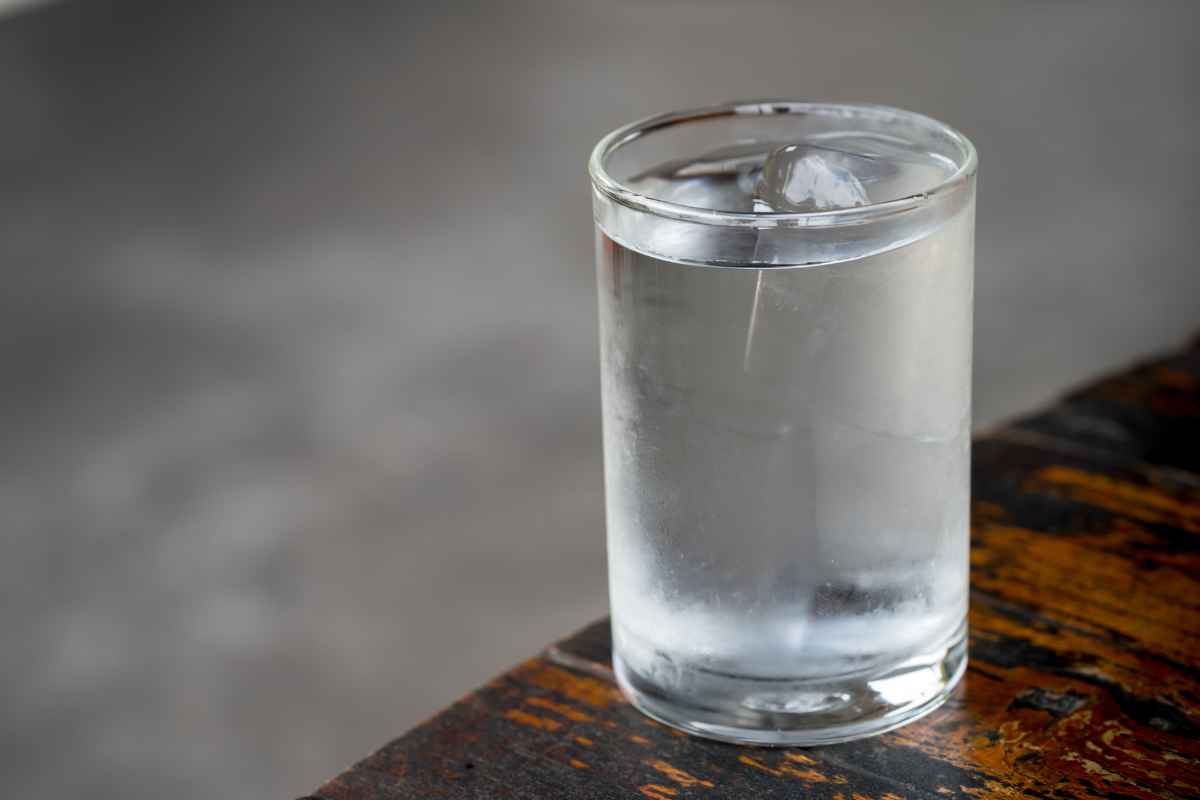
Use Ice Water
To achieve the ultimate creamy hummus, blend in a few tablespoons of ice-cold water (or ice cubes). The cold helps break down the chickpeas further and makes the hummus light and airy.
Experiment with Seasonings
While the traditional garlic and lemon combination is great, feel free to experiment with additional seasonings. Paprika, smoked paprika, or even a dash of cayenne pepper can add a nice depth of flavor.
For a nutty twist, consider adding roasted garlic or sesame oil.
Perfect Consistency
Add chickpea liquid to your hummus slowly. You can always add more, but you can’t take it out once it’s in! This allows you to get the perfect texture.
Fun Hummus Variations to Try
Hummus is a blank canvas—experimenting with different flavors and textures is part of the fun! Here are some ideas to make your hummus even more exciting:
1. Beetroot Hummus
For a colorful twist, add roasted beets to your hummus. This gives the dip a beautiful pink hue and an earthy sweetness. Simply blend 1/2 cup of cooked beets into the base recipe.
2. Avocado Hummus
Swap half of the olive oil for half an avocado. This will not only make the hummus extra creamy but also add a mild, buttery flavor.

3. Edamame Hummus
For a high-protein variation, try substituting chickpeas with edamame beans. It’s a fun and healthy twist on the classic recipe and is perfect for those who want to add some extra protein to their diet.
4. Harissa Hummus
If you like a bit of heat, blend in a tablespoon of harissa paste. This North African chili paste adds a smoky, spicy kick to your hummus, perfect for those who enjoy a bit of spice.
5. Roasted Red Pepper Hummus
Add roasted red peppers for a sweet, smoky flavor. Simply blend 1/4 cup of roasted red peppers with the base recipe to create a colorful, flavorful dip.
How to Enjoy It
Hummus is extremely versatile. Here are some great ideas for enjoying your homemade creation:
- Vegetable sticks: Carrots, celery, cucumber, and bell peppers pair beautifully with hummus for a crunchy, refreshing snack.
- Whole-grain pita bread: Tear up pita into wedges and use them to scoop up the hummus. For a healthier alternative, try whole-wheat pita or gluten-free pita.
- Wraps: Use hummus as a spread in wraps, combining it with fresh veggies, grilled chicken, or falafel.
- Grain bowls: Top a grain bowl (quinoa, rice, or couscous) with a generous scoop of hummus for extra flavor and creaminess.
- Salad dressing: Thin hummus with some extra olive oil or lemon juice and use it as a dressing for salads.

Ideal for Every Occasion
Making your own healthy hummus is a rewarding process that allows you to enjoy this nutritious dip in its purest form. With its high protein and fiber content, hummus is an ideal addition to almost any meal, and it's incredibly easy to customize.
Whether you like it classic or with a twist, hummus is the perfect snack for a balanced diet, and it’s great for sharing at any gathering. So, grab your ingredients and start blending today for a fresh, creamy dip that everyone will love.
Enjoy Watching This Video with a Similar Recipe
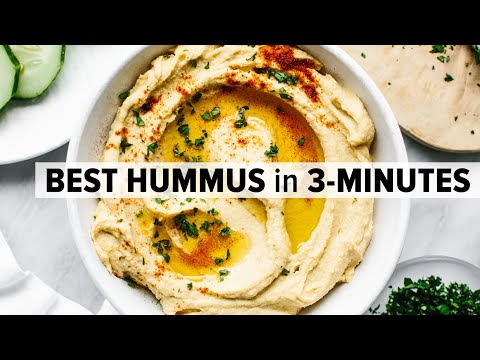
Source: Downshiftology
Did you find this post useful or inspiring? Save THIS PIN to your Cooking Board on Pinterest! 😊

Other Recipes You’ll Love 😍