
How To Cook Asparagus

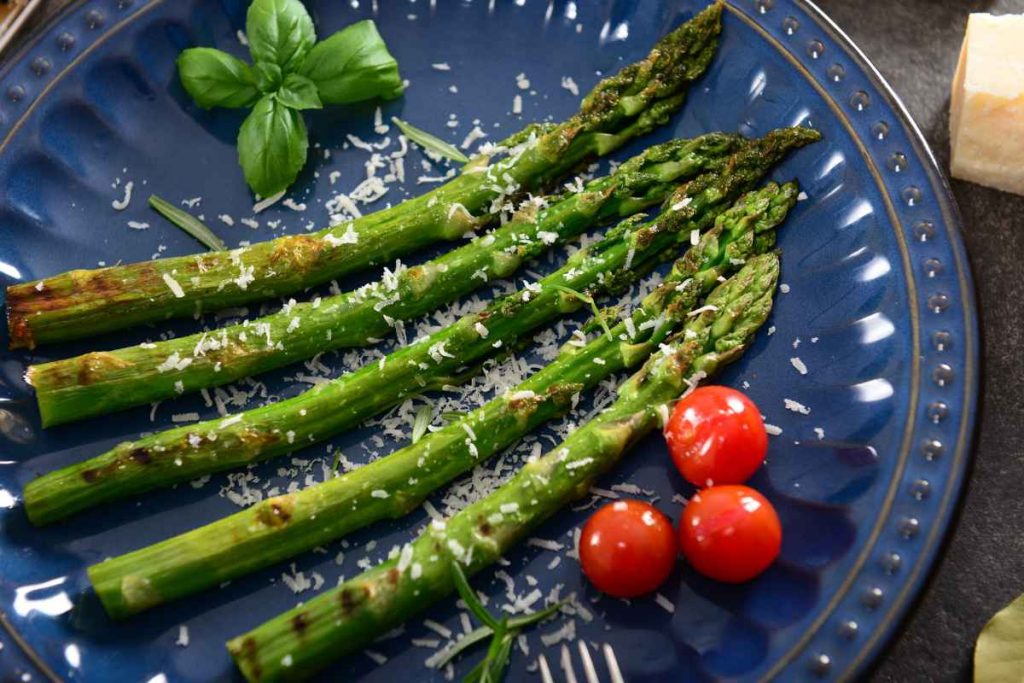
Asparagus is a versatile and nutritious vegetable that can be prepared in various ways to suit different tastes and meals. Whether you prefer it steamed, roasted, or even served raw, there are countless ways to enjoy this green delight.
In this guide, we'll explore modern cooking techniques, creative combinations, and practical tips to ensure you get the most out of your asparagus.
Best Cooking Methods for Asparagus
Asparagus is incredibly easy to prepare and can be cooked using several methods to enhance its natural flavor. Here are some modern and traditional ways to cook asparagus:
1. Roasting Asparagus
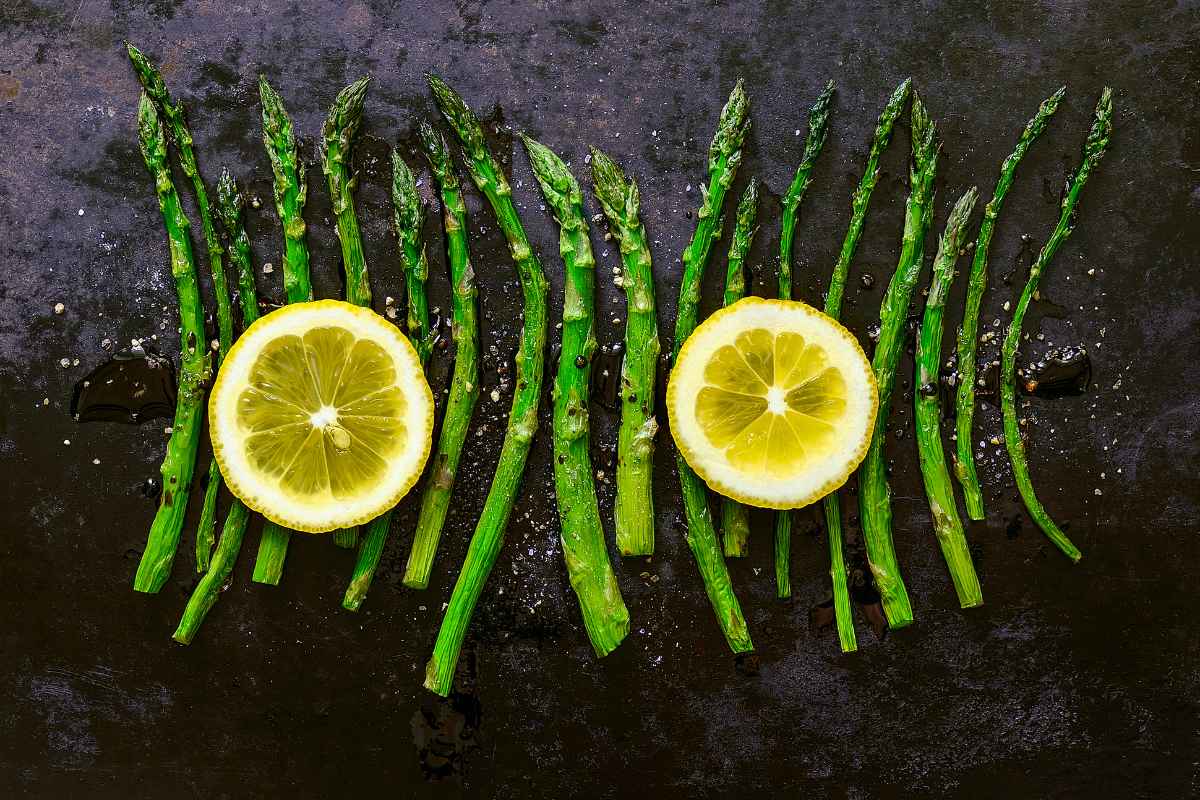
Roasting is one of the best methods for achieving crispy, caramelized asparagus with a delicious depth of flavor. Preheat your oven to 425°F (220°C), toss your asparagus with olive oil, salt, and pepper, and spread them evenly on a baking sheet.
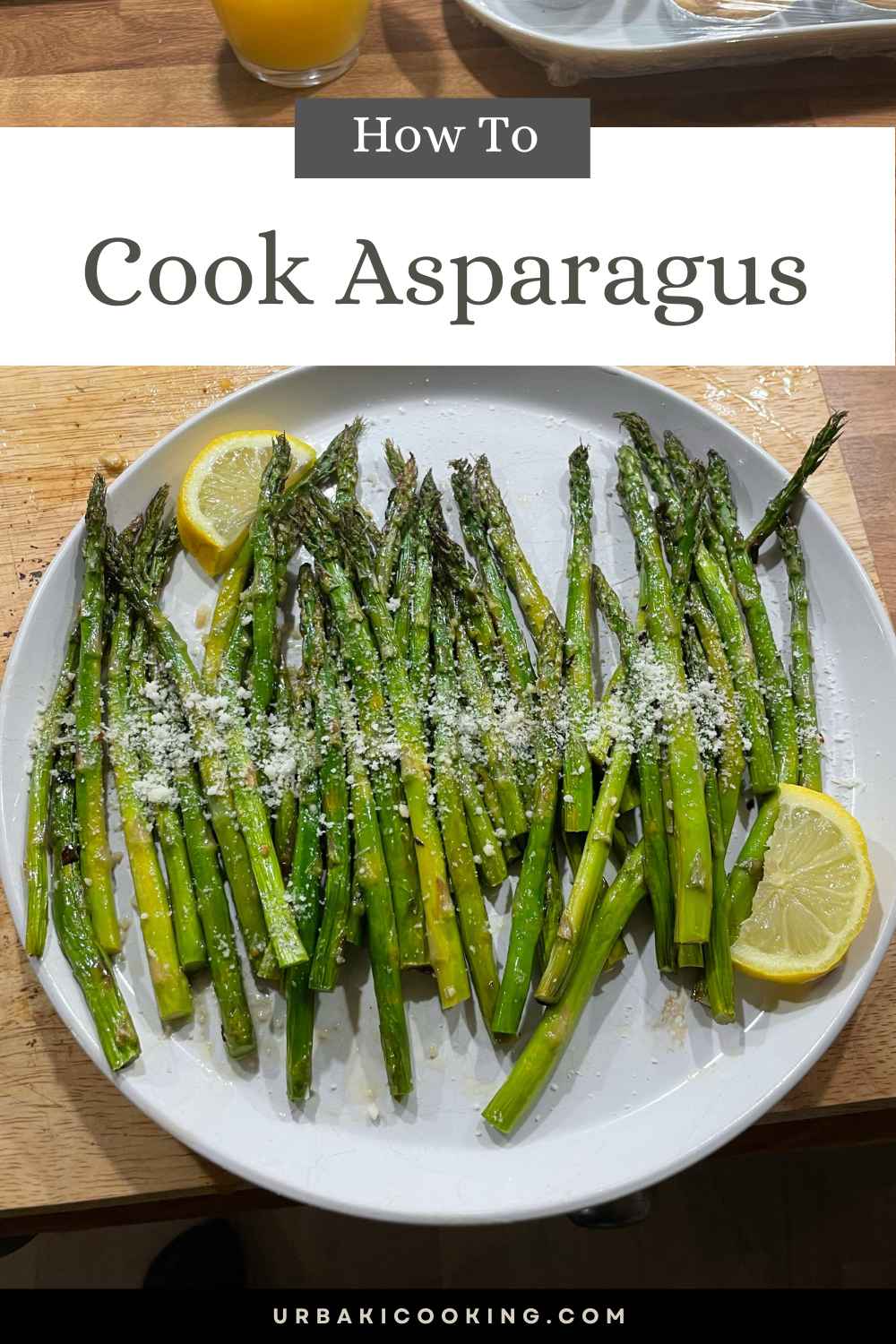
Roast for about 12-15 minutes, depending on the thickness of the stalks, until tender and slightly golden. For an extra kick, sprinkle some grated Parmesan or garlic powder before roasting.
2. Air Frying Asparagus
If you want a quicker and healthier option, the air fryer is your best friend. It gives you the crispy texture you love without using too much oil.
Simply toss your asparagus with a little olive oil, salt, and pepper, and air fry at 200°C (400°F) for about 6-7 minutes, depending on the thickness of the asparagus. This method is fast, easy, and perfect for those who love a crisp bite.
3. Steaming Asparagus
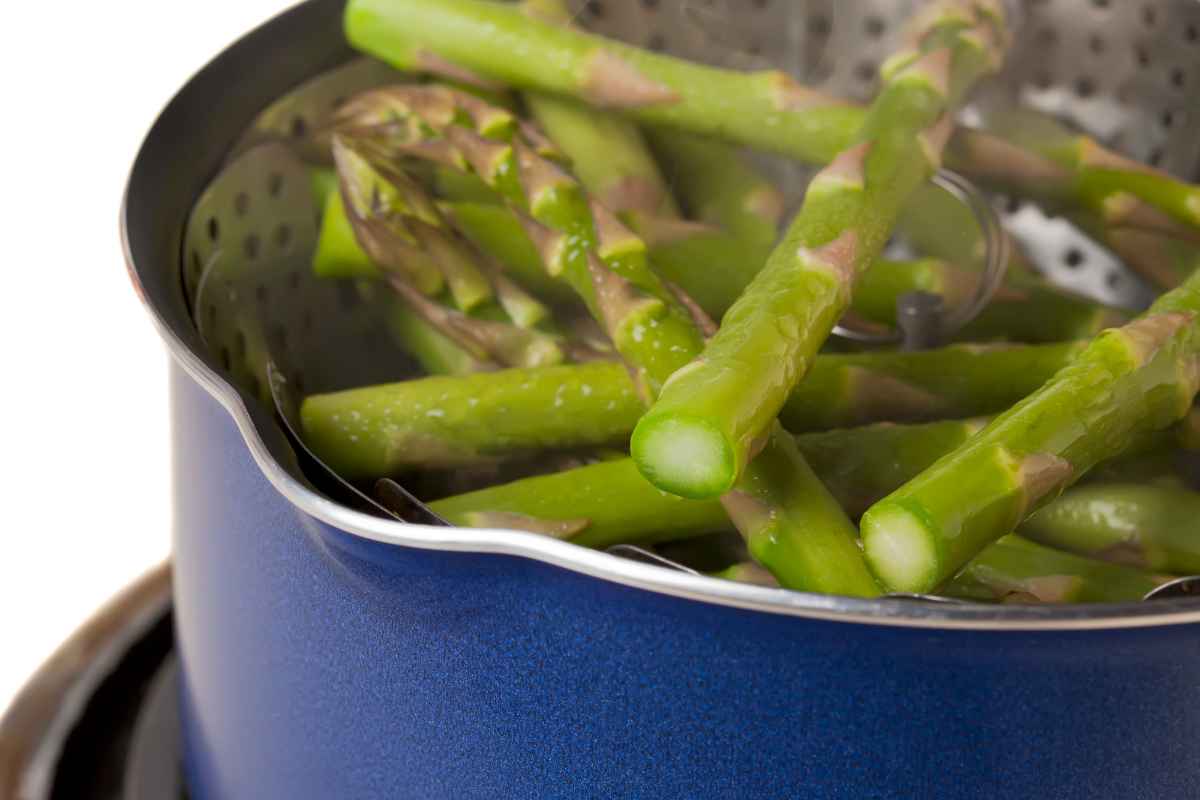
Steaming preserves the asparagus’s nutrients and gives it a delicate flavor. To steam asparagus, place it in a steamer basket over boiling water and cover. Steam for about 4-6 minutes, depending on how tender you like it.
If you’re using thicker stalks, you may need a little more time. For added flavor, try steaming your asparagus with a squeeze of lemon or a pinch of salt.
4. Microwave Cooking
For those in a hurry, the microwave is a quick and convenient option. Place your asparagus in a microwave-safe dish with about a tablespoon of water, cover, and microwave on high for 2-4 minutes.
This method works especially well for smaller portions and is great if you're tight on time.
5. Sous-Vide Asparagus
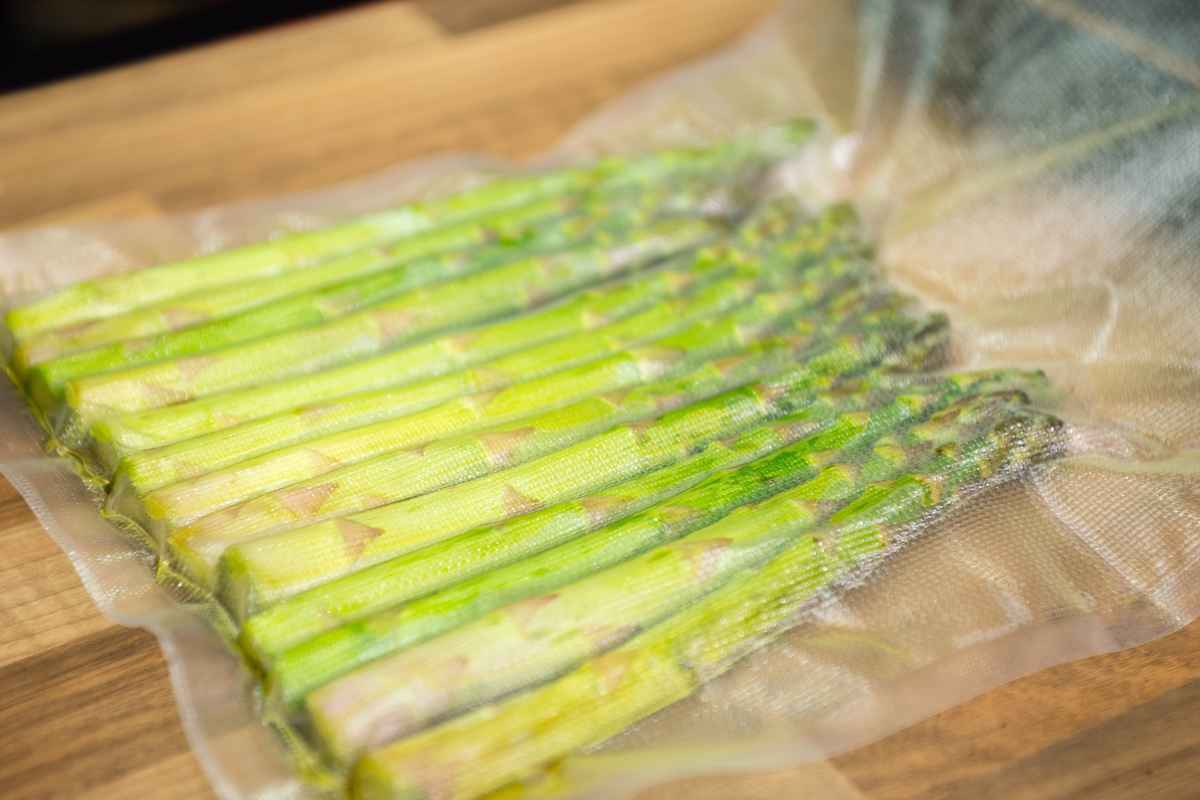
For a gourmet touch, you can cook asparagus sous-vide. This method ensures perfectly tender asparagus with great texture and flavor. Seal your asparagus in a vacuum bag with a little butter, salt, and pepper.
Cook in a water bath at 185°F (85°C) for 30-40 minutes. Afterward, you can sear it briefly on a hot pan for a golden finish.
Creative Combinations and Recipe Ideas
Asparagus is not just for side dishes. Here are some creative ways to incorporate asparagus into your meals:
Raw Asparagus in Salads
For a refreshing take, thinly slice or shave raw asparagus and toss it in a salad. The delicate crunch pairs wonderfully with ingredients like goat cheese, toasted nuts, and a light vinaigrette dressing.
You can also add other raw vegetables such as carrots or cucumbers to make a vibrant and healthy salad.
Asparagus with Protein
Asparagus pairs well with various proteins. Here are some ideas:
- Chicken: Serve roasted asparagus alongside grilled chicken for a balanced meal.
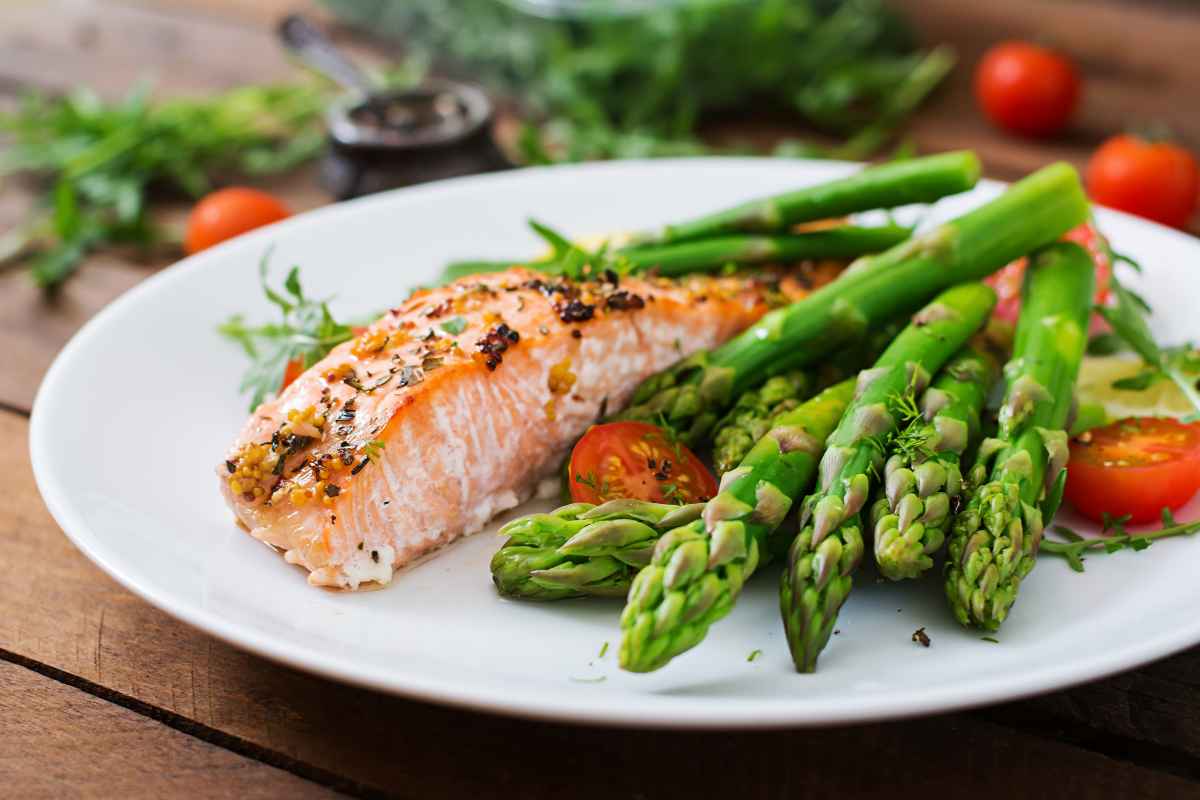
- Salmon: The rich, fatty flavor of salmon complements the slightly bitter taste of asparagus perfectly.
- Vegetarian options: Try pairing asparagus with fried eggs or incorporating it into a vegetarian frittata with cheese and herbs.
Asparagus in Pasta and Risotto
Adding asparagus to pasta dishes or risotto can elevate the flavor and texture. Cut the asparagus into bite-sized pieces and sauté with garlic and olive oil before adding it to your pasta sauce or risotto for a simple, yet flavorful meal. A drizzle of lemon juice and some freshly grated Parmesan cheese will bring everything together.
Practical Tips for Selecting and Storing Asparagus
To get the best out of your asparagus, here are some essential tips:
- Choose fresh asparagus: Look for stalks that are firm with closed, tight tips. The asparagus should be bright green with no signs of wilting or yellowing.
- How to store asparagus: To keep asparagus fresh, place the stalks in a jar with water, covering the bottom of the stems. Store it in the fridge and cover the tops loosely with a plastic bag. This method can extend its freshness for several days.
- Prep your asparagus: Before cooking, you can snap off the tough, woody ends by bending the stalks. Alternatively, use a knife to cut about 2 inches off the bottom to remove the tough part. For larger stalks, you may want to peel the lower half to ensure even cooking.
Nutritional Benefits of Asparagus
Asparagus is not just delicious but also packed with essential nutrients. It’s a great source of fiber, vitamins A, C, and K, and is naturally low in calories. Asparagus also contains antioxidants that may help fight inflammation and promote digestive health.
| Nutrient | Amount (per 100g) | Health Benefits |
|---|---|---|
| Calories | 20 kcal | Low in calories, supports weight management |
| Fiber | 2.1 g | Promotes digestive health |
| Vitamin A | 756 IU (15% DV) | Supports vision and immune function |
| Vitamin C | 5.6 mg (9% DV) | Boosts immunity and skin health |
| Vitamin K | 41.6 mcg (52% DV) | Essential for bone health and clotting |
| Folate | 52 mcg (13% DV) | Supports red blood cell production and helps prevent neural tube defects |
| Iron | 2.14 mg (12% DV) | Contributes to energy production and immune function |
| Potassium | 202 mg (6% DV) | Maintains healthy blood pressure and fluid balance |
A Culinary Delight
Whether you’re roasting, air frying, or steaming, asparagus is a nutritious and versatile vegetable that can be incorporated into a wide range of dishes.
By experimenting with different cooking techniques and pairing it with other ingredients, you can turn this simple vegetable into a gourmet treat. Don’t forget to explore different textures, from raw salads to tender, roasted stalks—asparagus is a culinary delight that deserves a place on your table!
Enjoy Watching This Video with a Similar Recipe

Source: Gordon Ramsay Hell's Kitchen
Did you find this post useful or inspiring? Save THIS PIN to your Cooking Board on Pinterest! 😊
Other Recipes You’ll Love 😍