
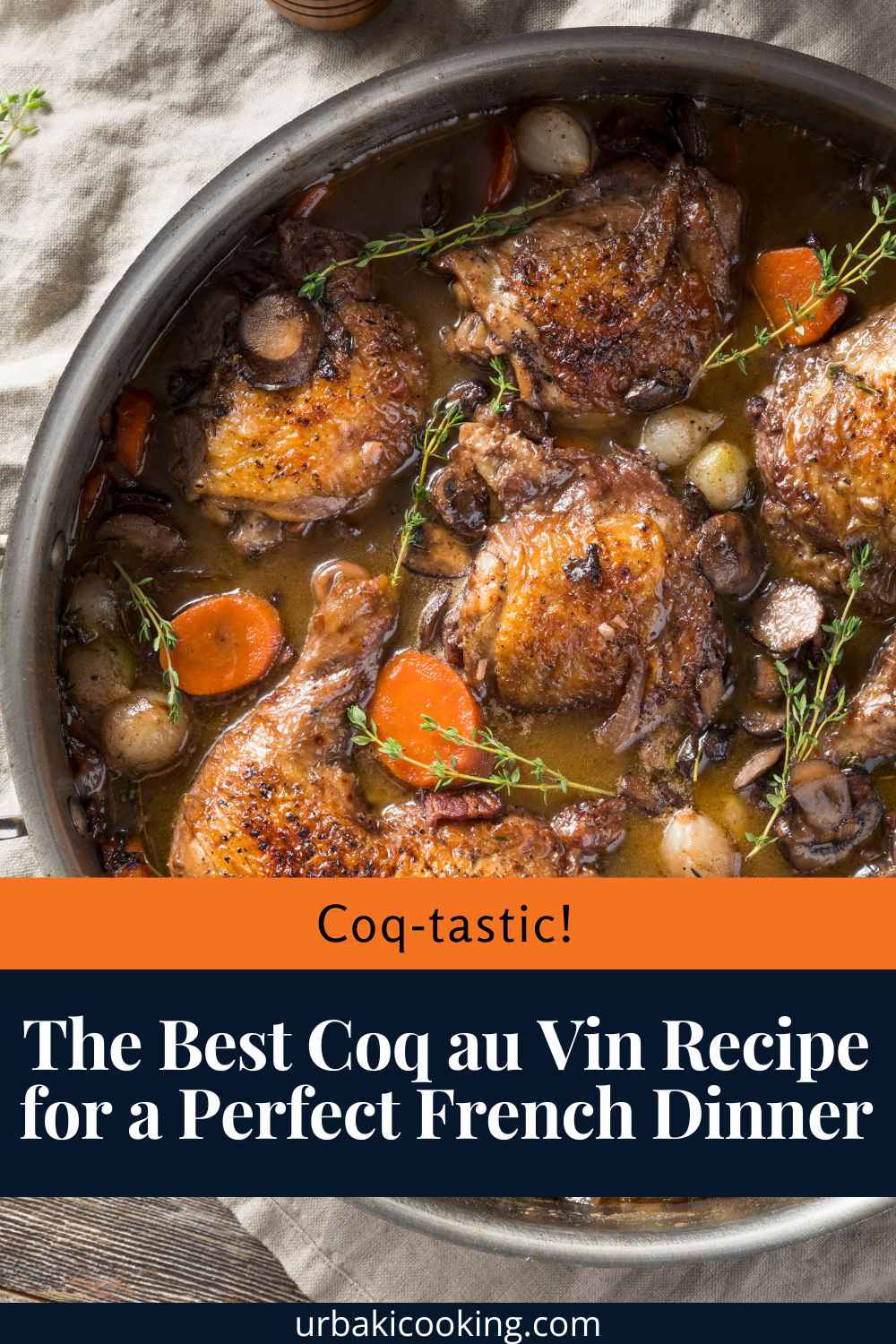
Coq-tastic! The Best Coq au Vin Recipe for a Perfect French Dinner

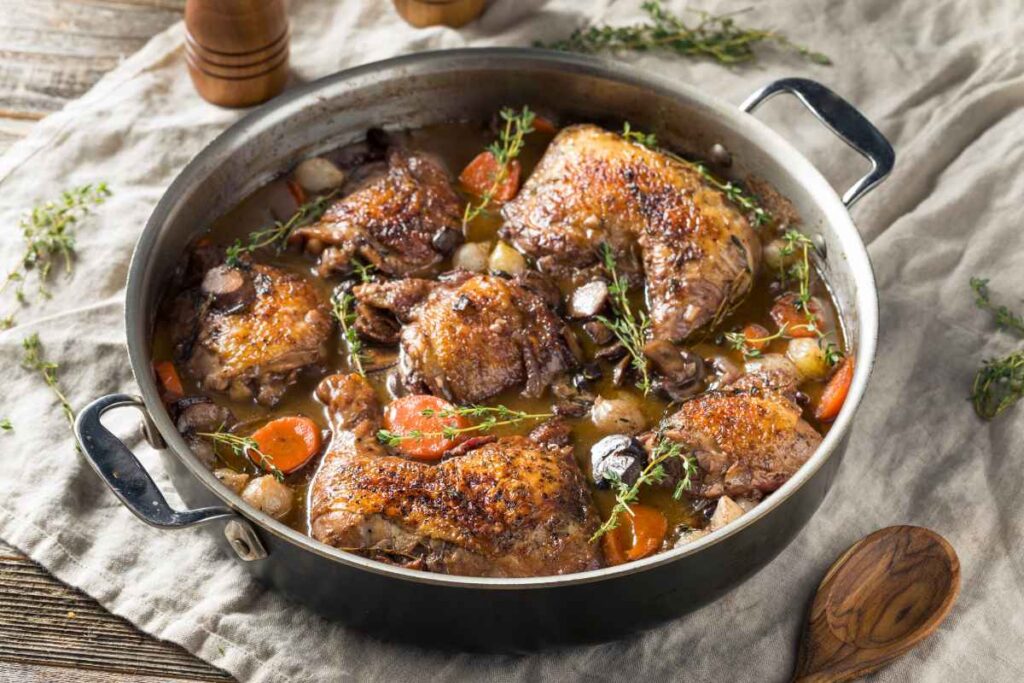
Coq au vin, which translates to "rooster in wine," is a classic French dish that combines tender chicken, smoky bacon, and a rich wine sauce. Whether you're planning a romantic dinner or a cozy evening with friends, this dish never fails to impress.
Coq au vin is not just a meal; it’s an experience that transports you to the heart of France.
A Glimpse into the History of Coq au Vin
While various stories exist about the origin of this dish, one of the most popular claims is that it was created during the conquest of Gaul by Julius Caesar.
According to the story, a Gallic chief sent a rooster as a symbol of resistance to Caesar, who, in return, prepared a feast with that same rooster cooked in wine, symbolizing the union of both cultures.
Traditionally, coq au vin was made with roosters, whose tougher meat required slow cooking in wine to tenderize. Over time, chicken has become the more common substitute due to its availability and ease of preparation.
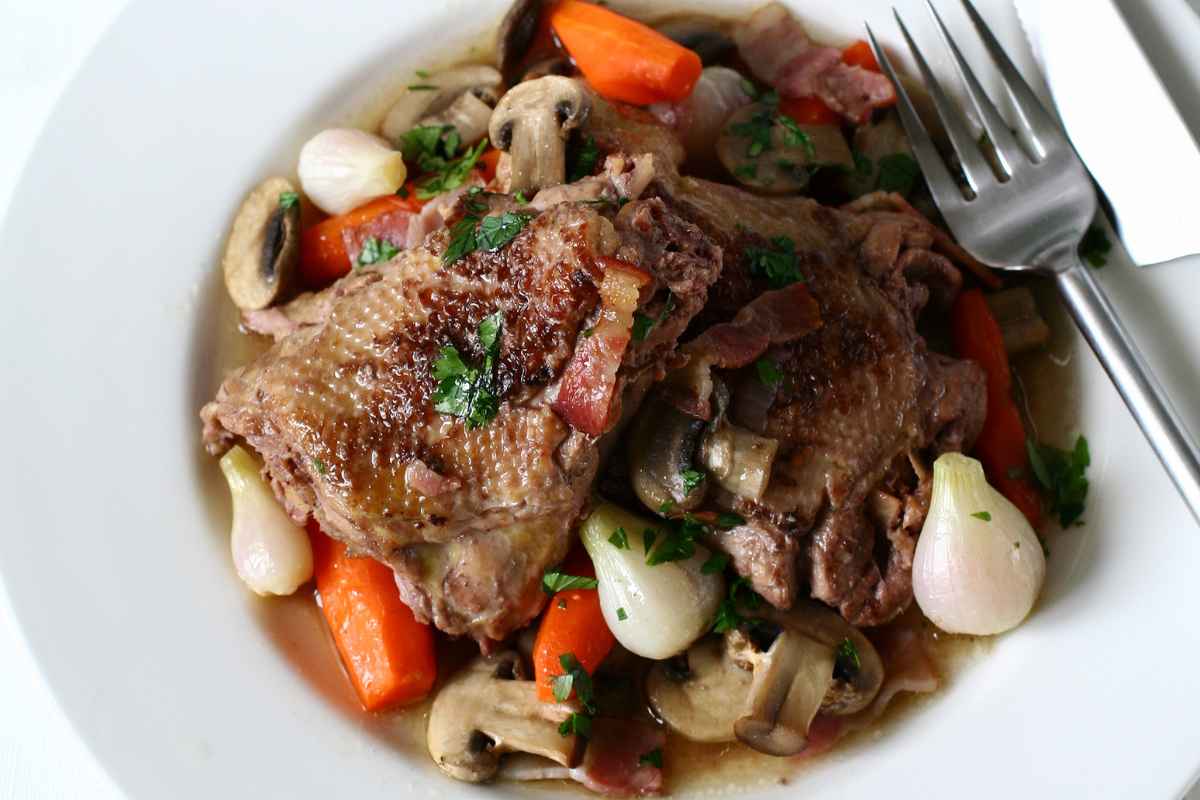
Ingredients for the Perfect Recipe
To recreate this classic dish, you will need:
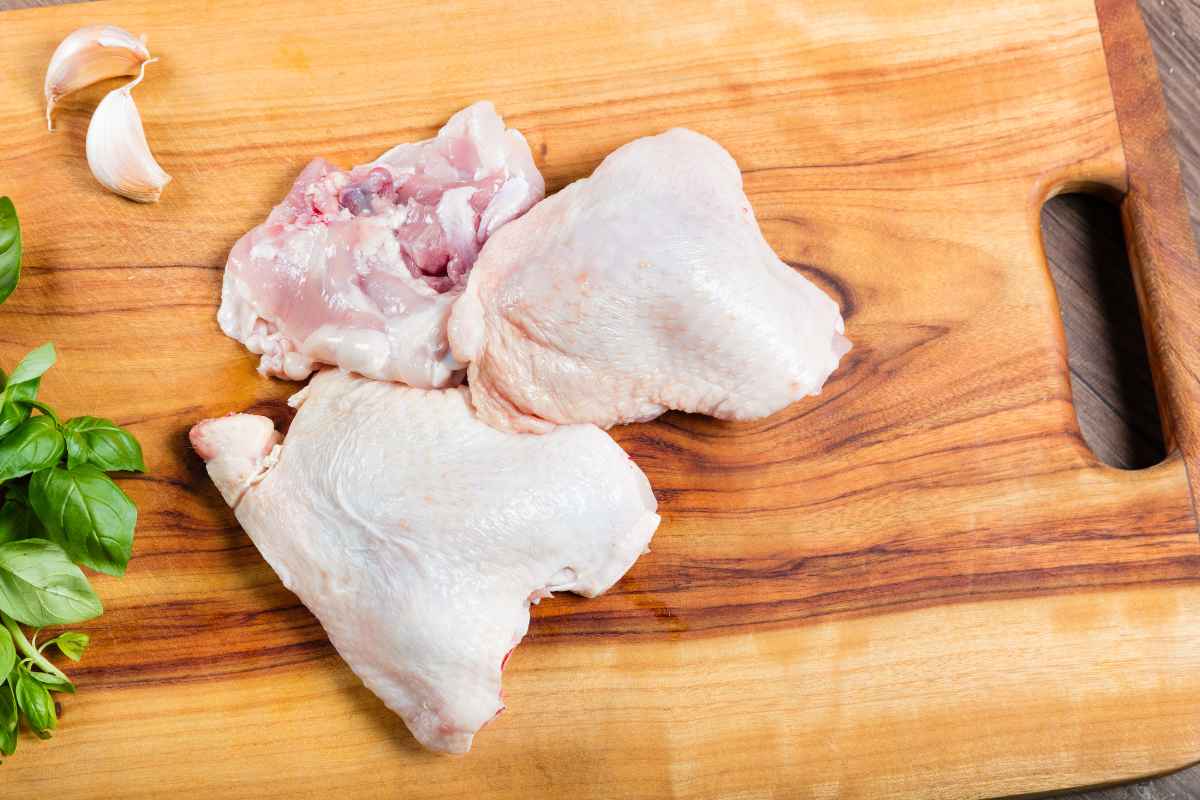
- 4 bone-in, skin-on chicken thighs
- 4 strips of bacon, chopped
- 2 tablespoons olive oil
- 1 large onion, chopped
- 3 garlic cloves, minced
- 2 carrots, peeled and sliced
- 2 tablespoons tomato paste
- 2 cups red wine (preferably Burgundy)
- 1 cup chicken broth
- 2 sprigs fresh thyme
- 1 bay leaf
- 1 tablespoon all-purpose flour
- Salt and pepper to taste
- Fresh parsley for garnish
Step-by-Step Guide to Making Coq au Vin
1. Marinate the Chicken
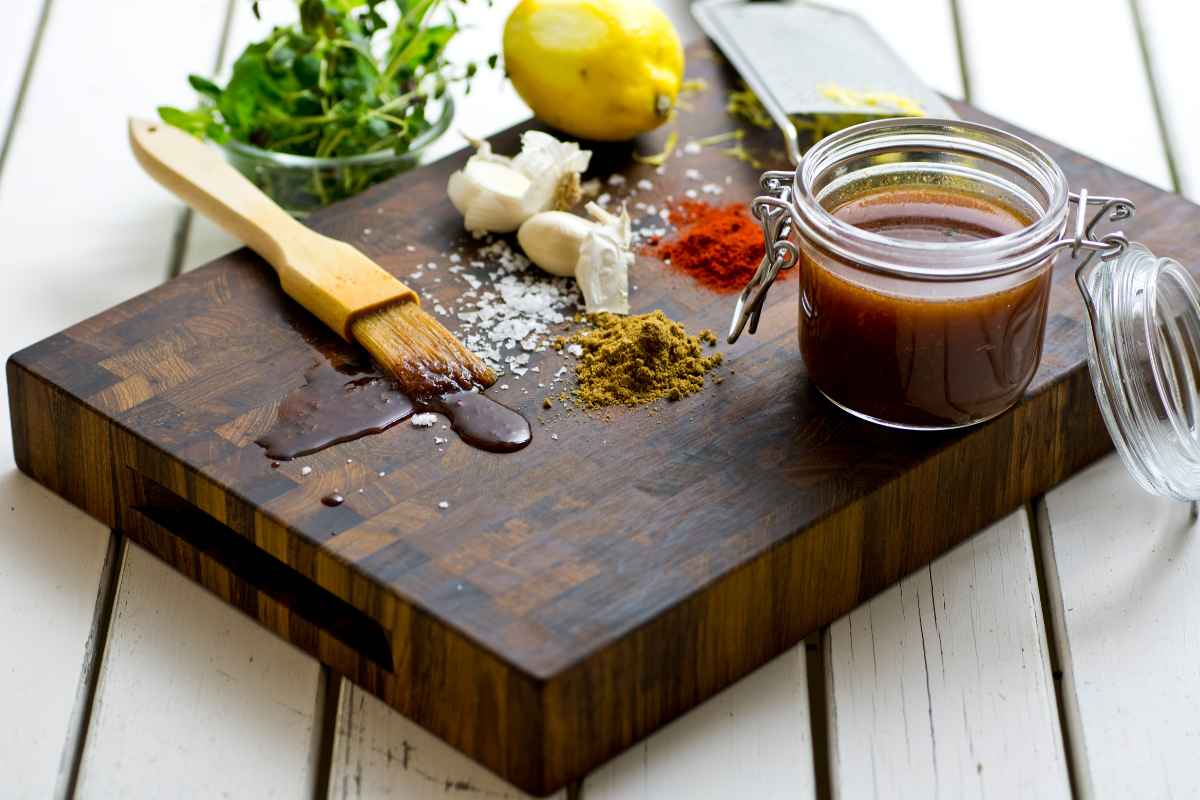
In a large bowl, combine the chicken thighs with the red wine, thyme sprigs, bay leaf, chopped onion, and garlic. Cover and refrigerate for at least 4 hours, or preferably overnight. This step allows the chicken to absorb the wine and herb flavors.
2. Cook the Bacon
In a large Dutch oven or heavy-bottomed pot, heat the olive oil over medium heat. Add the chopped bacon and cook until crispy. Remove the bacon and set it aside, leaving the rendered fat in the pot.
3. Sear the Chicken
Remove the chicken from the marinade (reserving the marinade) and pat it dry with paper towels. Season with salt and pepper. In the same pot, add the chicken pieces and brown them on all sides.
This should take about 5-7 minutes per side. Once browned, remove the chicken and set it aside.
4. Cook the Vegetables
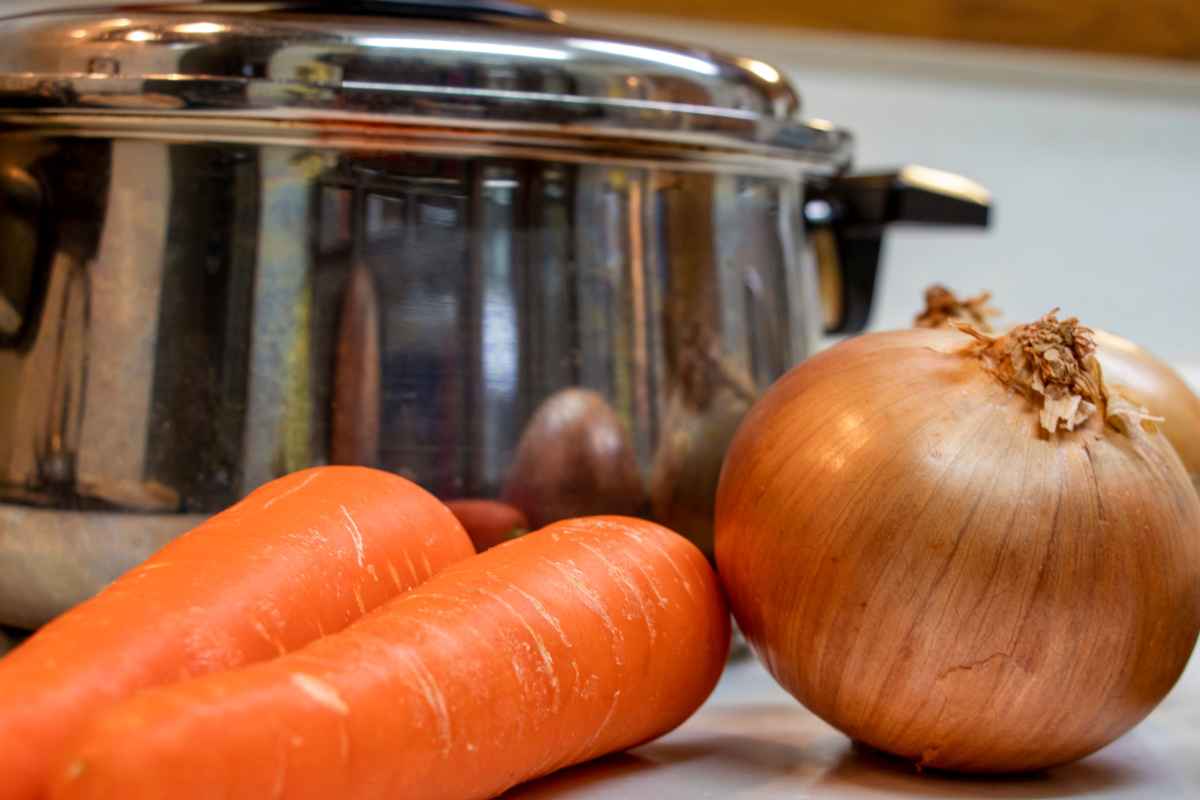
Add the chopped onion and carrots to the pot. Cook until softened and slightly browned, about 5 minutes. Add the tomato paste and cook for 1 more minute.
5. Deglaze with Wine
Pour in the reserved marinade, scraping the browned bits from the bottom of the pot. Bring the mixture to a boil and cook for 5 minutes to reduce slightly.
6. Cook the Chicken
Return the chicken and bacon to the pot. Add the chicken broth, making sure the chicken is mostly covered by the liquid. Bring to a boil, then reduce the heat to low, cover, and simmer for 45 minutes, or until the chicken is tender.
7. Thicken the Sauce
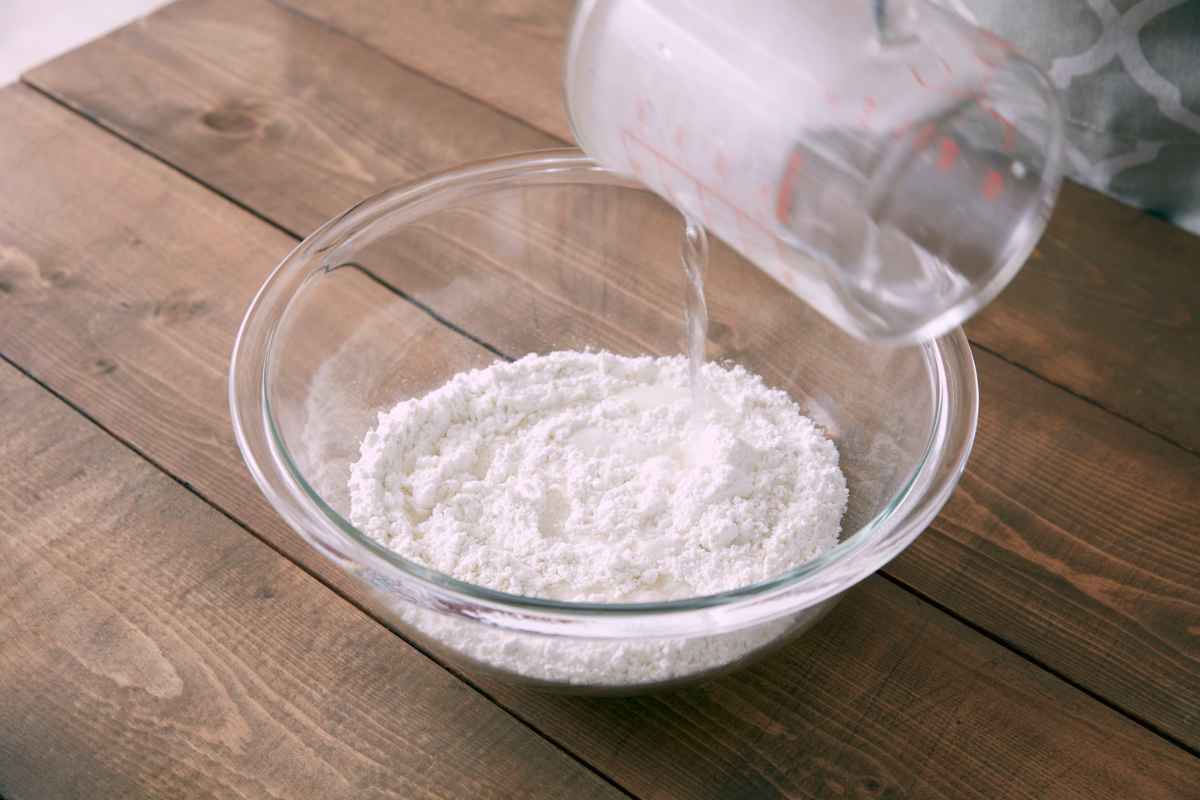
Remove the chicken from the pot and keep it warm. In a small bowl, mix the flour with a little water to make a slurry. Stir this mixture into the sauce and cook over medium heat for 5 minutes, until the sauce thickens.
8. Serve and Enjoy
Return the chicken to the pot and cook for an additional 5 minutes so it soaks up the sauce. Serve hot, garnished with freshly chopped parsley.
Tips and Variations
- Marinating the chicken: Although not strictly necessary, marinating the chicken for several hours or overnight in wine and herbs can intensify the flavors of the dish.
- Wine selection: Burgundy wine is the traditional choice for coq au vin, but any dry red wine will work. Opt for organic wines for a more sustainable option.
- Additional vegetables: You can add mushrooms, pearl onions, or even shallots to enhance the flavor of the dish.
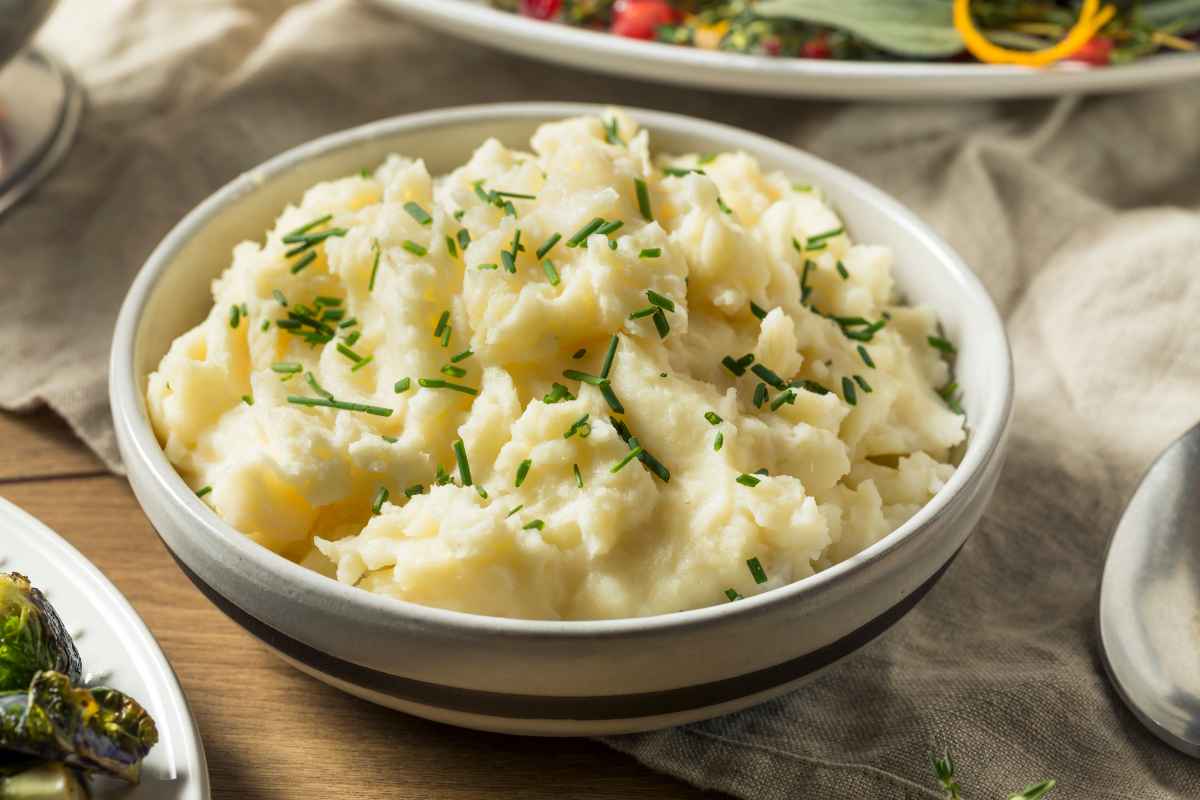
- Side dishes: This dish is traditionally served with mashed potatoes, rice, or crusty bread to soak up the rich sauce.
Wine Pairing
To complement this dish, choose a red wine with balanced acidity and soft tannins. A Pinot Noir from Burgundy or a Merlot from California would be excellent choices. Serve the wine at the same temperature as the dish for a harmonious dining experience.
Make-Ahead and Storage Tips
Coq au vin improves with time, making it a great dish to prepare in advance. Store any leftovers in an airtight container in the refrigerator for up to 3 days. The flavors will continue to develop, making the dish even tastier the next day.
Share Your Coq au Vin Creations!
Now that you’ve mastered this classic French dish, it’s time to share your creation with friends and family! Post a picture of your homemade coq au vin on social media and tag us with #CoqTastic. We’d love to see how you put your own spin on this timeless recipe.
Happy cooking, and bon appétit!
Enjoy Watching This Video with a Similar Recipe

Souce: Food Network
Did you find this post useful or inspiring? Save THIS PIN to your Cooking Board on Pinterest! 😊
Other Recipes You’ll Love 😍