
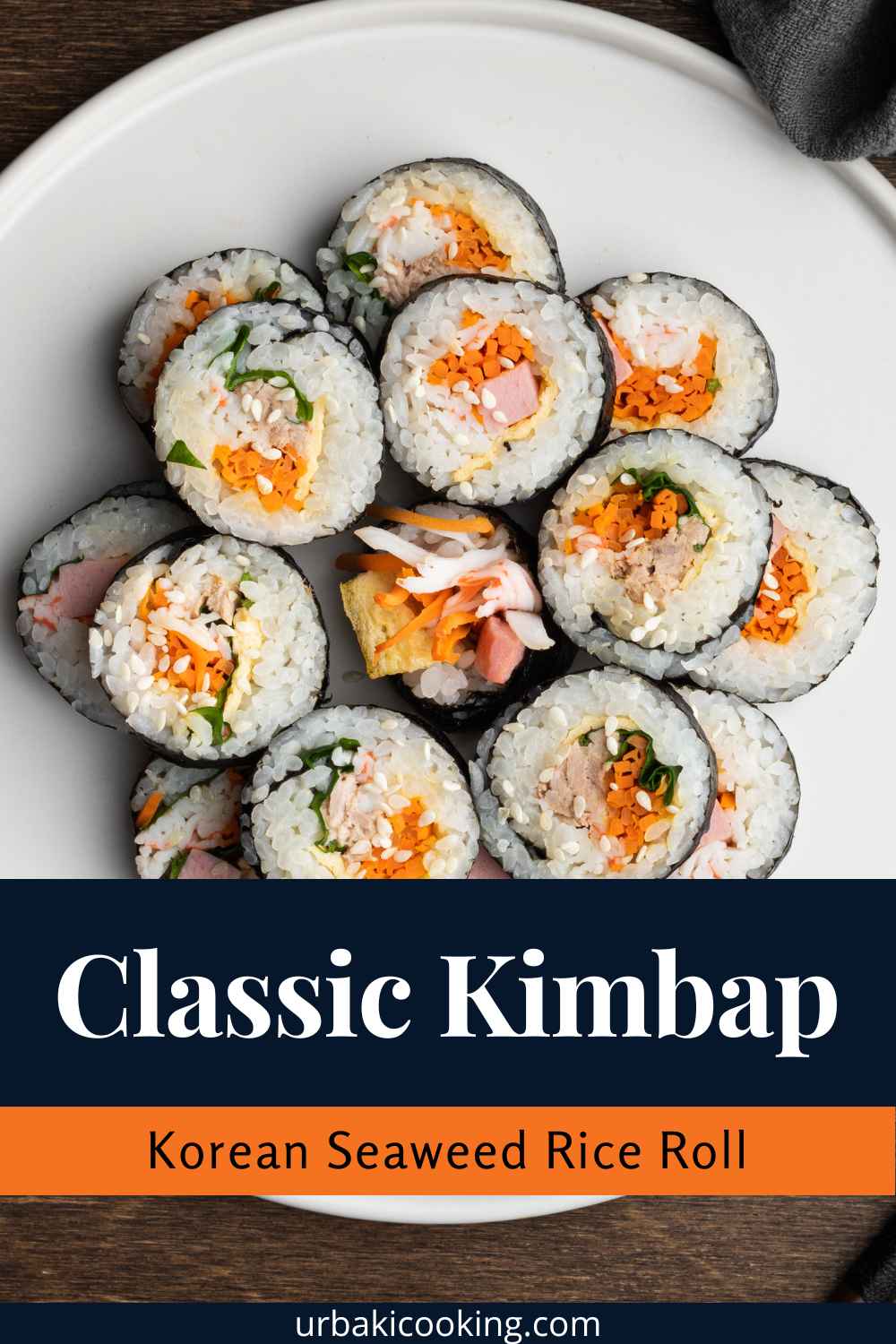
Classic Kimbap: Korean Seaweed Rice Roll


Kimbap, often called the "Korean sushi," is an iconic and beloved dish in Korean cuisine. It's a portable, versatile, and nutritious meal that’s enjoyed by Koreans all over the world.
Whether packed for a picnic, served at a celebration, or eaten as a quick meal, kimbap offers a delightful combination of textures and flavors that make it irresistible.
Despite its resemblance to sushi, it differs significantly in terms of preparation, ingredients, and presentation.
In this guide, we’ll walk you through the steps to make classic kimbap at home, along with some tips for customization and modern twists that will make this traditional dish even more enjoyable.
What is Kimbap?
Kimbap, also known as gimbap, is a traditional Korean dish consisting of steamed rice, vegetables, and proteins, all rolled up in a sheet of seaweed. The name "kimbap" comes from two words: kim (meaning seaweed) and bap (meaning rice).
While it may resemble sushi in appearance, kimbap is quite different, particularly in its preparation and filling. Sushi typically includes raw fish and vinegared rice, while kimbap uses cooked ingredients like egg, spinach, carrots, and meat or tofu.
Kimbap has become a staple in Korean households and is often packed into lunchboxes for school, work, or picnics. It's versatile enough to be made with various fillings, allowing everyone to customize the rolls according to their preferences.
Whether you're making it for a special occasion or a casual meal, kimbap is sure to be a hit!

Why You’ll Love Making It at Home
Making kimbap at home allows you to experiment with flavors, fillings, and presentation. It’s an affordable, customizable dish that can suit various diets—whether you’re a meat lover, vegetarian, or vegan.
Plus, making kimbap is a fun and interactive cooking experience that you can share with friends and family.
Beyond the convenience and customizability, there’s something uniquely satisfying about preparing kimbap yourself. The process is both meditative and rewarding, especially when you cut into the rolls and see the beautifully layered colors of the ingredients.
Ingredients for Classic Recipe
For this classic kimbap recipe, you’ll need a variety of ingredients. The combination of vegetables, rice, and proteins creates a harmonious balance of flavors and textures. Here’s what you’ll need:
- 2 cups short-grain rice (or sushi rice)
- 4 sheets of nori (seaweed)
- 1 tablespoon sesame oil (for flavoring the rice)
- 1 tablespoon salt (for seasoning the rice)
- 2 eggs (scrambled)

- 1 carrot (peeled and julienned)
- 1 cucumber (cut into thin strips)
- Pickled radish (yellow, cut into strips)
- Spinach (blanched and squeezed dry)
- 1-2 tablespoons sesame seeds (for garnish)
Optional Fillings:
- Cooked beef, chicken, tofu, or spam (traditional)
- Kimchi (for an extra kick of flavor)
- Avocado, grilled shrimp, or cheese for a modern twist
Instructions
Step 1: Prepare the Rice
- Rinse the rice thoroughly under cold water until the water runs clear. This removes excess starch, ensuring that the rice becomes sticky when cooked.
- Cook the rice according to your rice cooker's instructions or in a pot. Once the rice is done, let it cool slightly. You want the rice to be warm but not too hot when rolling it.

- Season the rice: Once cooled, drizzle sesame oil over the rice and add a pinch of salt. Gently mix the rice to ensure it is evenly coated with the oil, giving it a fragrant flavor.
Step 2: Prepare the Filling Ingredients
- Cook the eggs: Scramble the eggs in a lightly oiled pan. Once cooked, remove from heat and flatten the eggs into a thin sheet. Allow them to cool, then slice them into strips.
- Julienne the vegetables: Using a sharp knife, julienne the carrot and cucumber into long, thin strips.
- Blanch the spinach: Boil some water and blanch the spinach for about 30 seconds, then rinse it with cold water. Squeeze out excess moisture and season with a dash of salt and sesame oil.
Step 3: Assemble the Kimbap
- Lay down the nori: Place a sheet of nori (seaweed) shiny side down on a bamboo mat or a clean surface. If you're using a bamboo mat, make sure it’s clean and free of any debris.
- Spread the rice: Take a handful of rice and spread it evenly over the nori, leaving about 1 inch at the top edge free from rice. Be gentle, as pressing too hard can crush the rice.
- Add the fillings: Start placing the fillings in a horizontal line across the center of the rice. Place the carrots, cucumber, spinach, egg, and pickled radish. If you’re using a protein like beef, chicken, or spam, place it in the center along with the other vegetables.

- Roll it up: Begin rolling the kimbap from the bottom using the bamboo mat. Apply light pressure as you roll to ensure the kimbap holds together, but don’t press too hard. The goal is to create a tight, uniform roll.
- Seal the roll: Once you reach the top edge of the nori, use a small amount of water to wet the edge and seal the roll.
Step 4: Slice and Serve
- Slice the kimbap: Use a sharp knife to slice the roll into bite-sized pieces. Wipe the knife with a damp cloth between cuts to ensure clean slices.
- Garnish with sesame seeds: For a final touch, sprinkle sesame seeds on top of the kimbap rolls for added flavor and texture.
Tips for Perfect Kimbap
- For perfect rice: The rice should be sticky but not mushy. Be sure to use short-grain rice or sushi rice for the best texture.
- If you’re a beginner: Start by making smaller rolls to get comfortable with the rolling process before attempting larger rolls.
- Experiment with fillings: Kimbap is incredibly versatile. Try adding different vegetables, proteins, or even kimchi for a spicy twist. You can also try avocado or cheese for a fusion-style kimbap.
- Storage: While it’s best to eat kimbap fresh, you can store leftovers in an airtight container for up to one day in the fridge. Make sure to wrap the rolls tightly to keep them fresh.

Healthier Variations
While traditional kimbap often includes spam, there are plenty of ways to make it healthier without sacrificing flavor. Consider these healthier alternatives:
- Tofu kimbap: For a vegetarian version, replace the meat with seasoned tofu or tempeh.
- Avocado: Add creamy avocado slices to give your kimbap a rich texture.
- Grilled chicken: Swap the spam for grilled chicken breast for a leaner protein option.
- Lettuce or spinach: Use fresh, leafy greens to add crunch and nutrients to the kimbap.
For Every Occasion
Kimbap is perfect for any occasion. Whether you’re packing it for lunch, serving it at a party, or preparing it as a snack, it’s a crowd-pleasing dish that is easy to make and always a hit.
It’s a great choice for meal prep, as you can make a large batch and store it for later use. Kimbap is also great for families, as each person can customize their rolls with their favorite ingredients.

Making kimbap is not just about the food; it’s about sharing a fun, creative experience with others. The process of rolling the ingredients together, sharing ideas for fillings, and enjoying the dish together fosters a sense of community and connection.
Enjoy Your Kimbap
Now that you’ve learned how to make classic kimbap, it’s time to enjoy your creation! With its fresh ingredients, vibrant colors, and balance of flavors, kimbap is the perfect dish to share with friends and family.
Whether you stick to the traditional version or put your own twist on it, you’ll love the outcome.
Enjoy Watching This Video with a Similar Recipe

Source: Saebom2
Did you find this post useful or inspiring? Save THIS PIN to your Cooking Board on Pinterest!
Other Recipes You’ll Love 😍