
How To Cook Perfect Rice Without Pressure Cooker

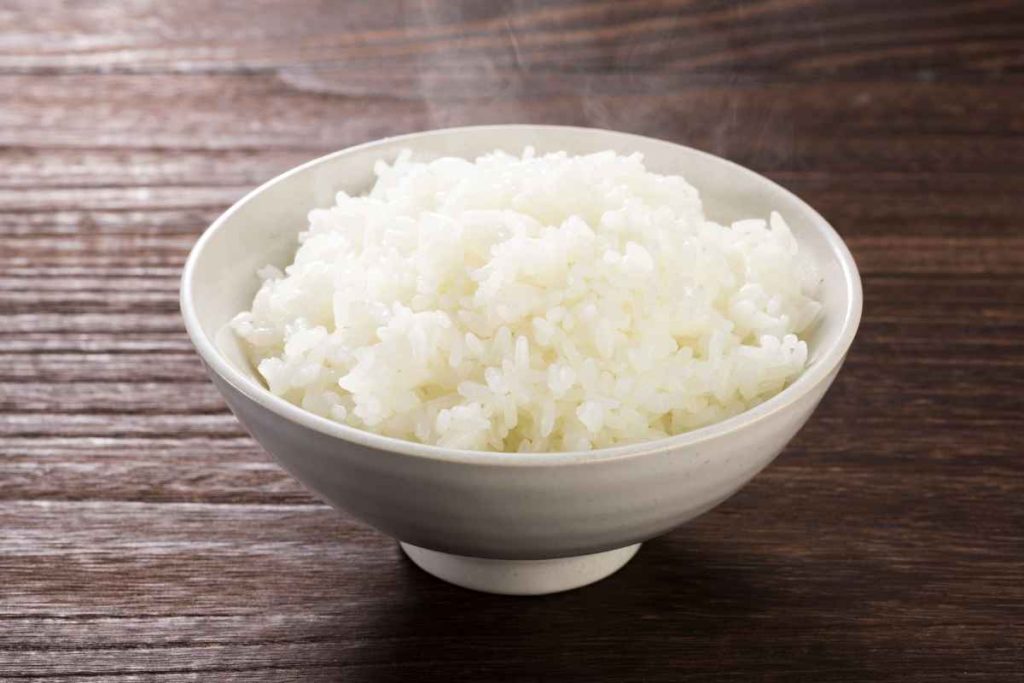
If you’ve ever wondered how to cook perfect rice without a pressure cooker, this guide brings clarity and confidence.
Below you’ll find the key principles behind the absorption method, the forgiving pasta (draining) method, and a hands-off oven-baked rice option—plus practical fixes, flavor upgrades, and food-safe storage.
With a few smart habits and an understanding of evaporation, you’ll get perfect stovetop rice on repeat.
How to Cook Perfect Rice Without a Pressure Cooker: Core Principles
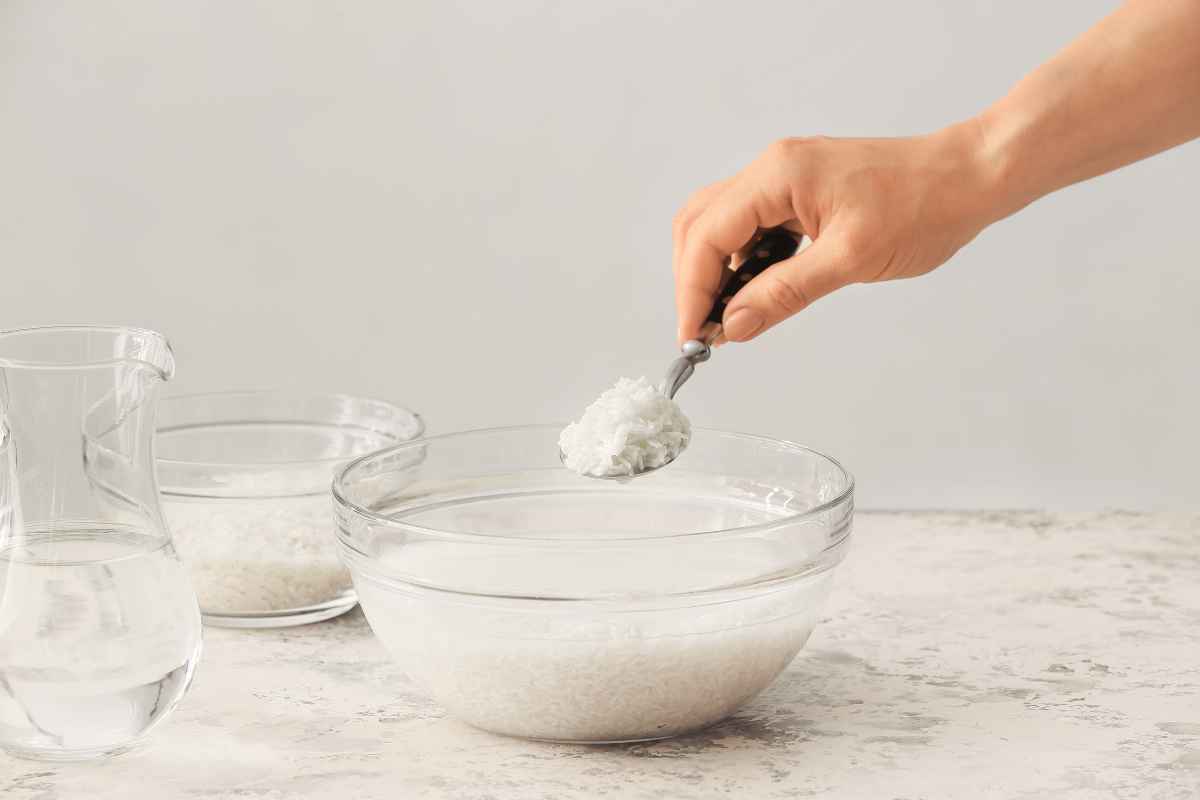
Great rice starts with understanding starch, moisture, and steam. Rinsing most long-grain varieties in cool water until it runs clearer reduces surface starch for fluffier grains; skip rinsing if you prefer a slightly stickier finish.
Soaking is optional for white rice but helps brown rice cook more evenly. The real secret is honoring the water-to-rice ratio and heat control: bring to a gentle simmer, cover tightly, and let low heat plus trapped steam do the work.
Just as important is the rest—once heat is off, keep the lid on for 10 minutes so the grains finish by residual steam and settle into that light, fluffy texture.
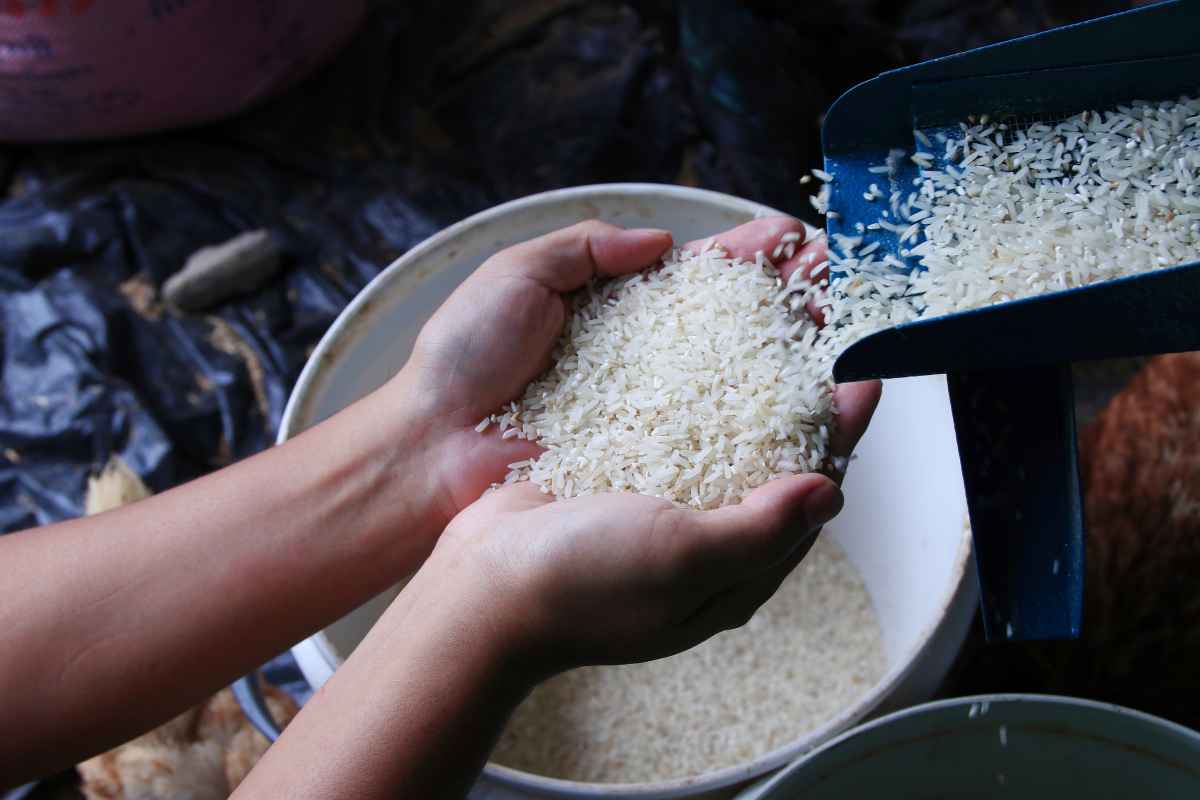
Absorption Method (Fluffy, Distinct Grains)
Choose a heavy pot with a tight lid.
For long-grain white rice (like jasmine or standard long-grain), a reliable starting point is about 1 cup rice to 1¼–1½ cups water; for fluffy basmati, 1 cup rice to about 1½ cups water after a thorough rinse; for tender brown rice, plan 1 cup rice to 1¾–2 cups water.
Bring to a gentle simmer, cover, and cook on low until the water is absorbed (about 12–15 minutes for most white rice; 35–45 minutes for brown).
Turn off the heat, keep covered for 10 minutes, then fluff with a fork. This method shines when you want dry, separate grains and predictable aroma.
Ratios That Make Sense
Think of it this way: the rice itself contains a baseline of moisture; you add water for absorption plus a small “evaporation allowance.” Different pots, burners, and lids change that allowance.
If your rice consistently finishes a touch firm, nudge the ratio up by 2–3 tablespoons of water per cup next time. That small tweak often unlocks perfect stovetop rice in your exact cookware.
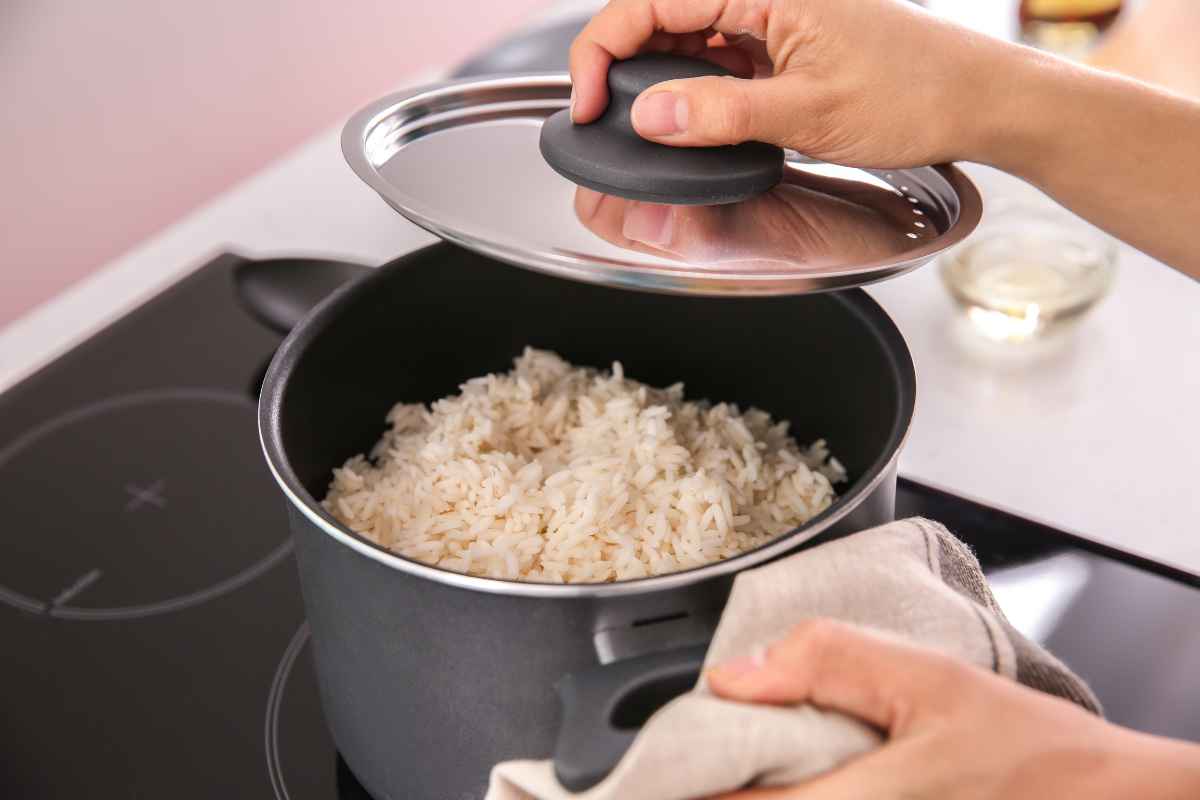
Pasta/Draining Method (Fast & Forgiving)
If you’re in a hurry—or you want consistent results across many brands—the pasta method is wonderfully forgiving. Boil plenty of salted water, add rinsed rice, and cook at a lively simmer until the grains are just tender.
Drain thoroughly in a fine-mesh strainer, return the rice to the warm (but off-heat) pot, cover with a lid or towel for 5 minutes, and let the residual steam finish the texture.
This method reduces sticking and helps prevent gumminess because excess starch goes down the drain. It’s especially handy for salads, stir-fries, and meal-prep when batches vary.
Oven-Baked Rice (Hands-Off Consistency)
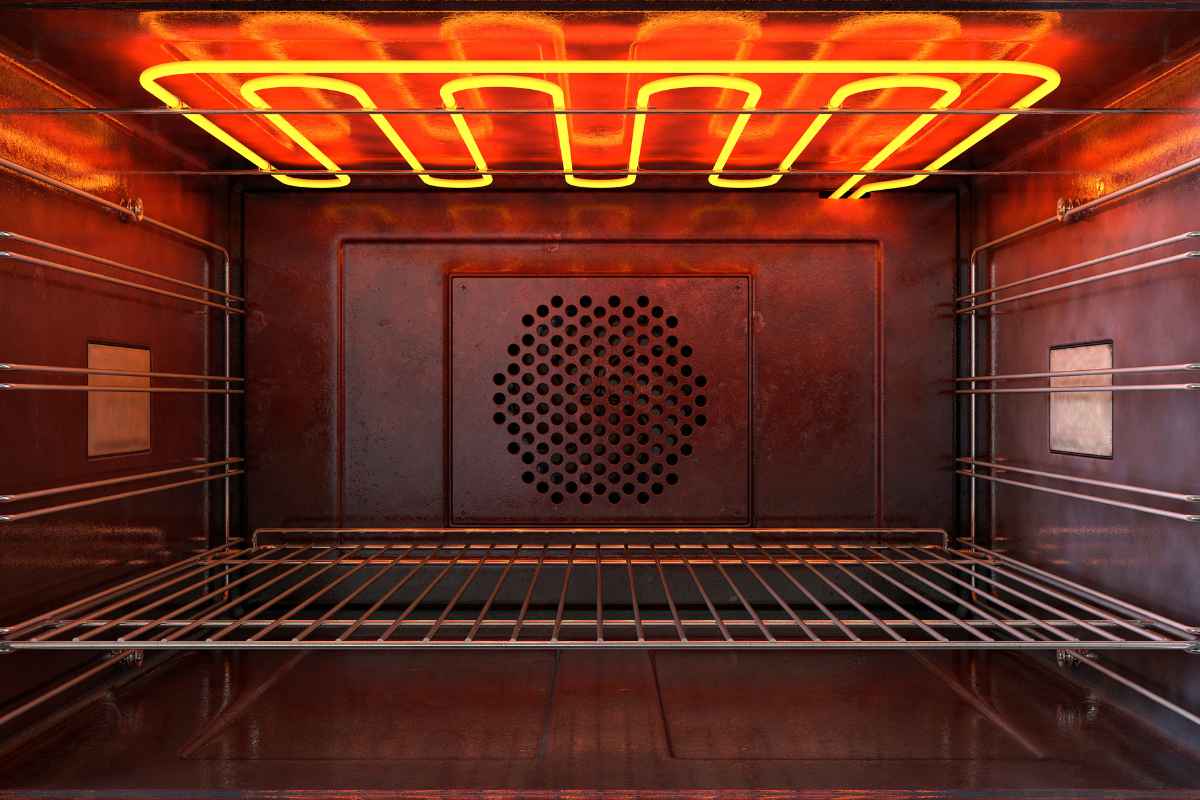
For company dinners or weekly prep, oven-baked rice offers remarkable evenness. Preheat to 375°F (190°C). In a baking dish, combine 1 cup long-grain white rice with 1½ cups hot water or broth, a pinch of salt, and a teaspoon of oil or butter if you like.
Cover tightly with foil and bake about 25–30 minutes (brown rice: use 2 cups hot water and bake about 60–65 minutes). Rest, still covered, for 10 minutes before fluffing. Heat circulates gently in the oven, minimizing hot spots and helping every grain cook at the same pace.
Troubleshooting & Smart Fixes
If your rice is undercooked or dry, sprinkle on 2–3 tablespoons of hot water, cover, and warm over the lowest heat for a few minutes, then rest again.
If it’s too soft or mushy, spread it in a thin layer on a sheet pan and let steam escape for a minute or two, then fold gently; for the pasta method, drain more thoroughly and give it a short covered rest to dry.
If it’s sticky, rinsing more thoroughly next time—or switching to the pasta method—usually helps. And if the bottom scorches, transfer the unscorched top to a new pot right away; in the future, lower the heat sooner and use a heavier pot or a flame tamer.
Flavor Upgrades & Easy Variations
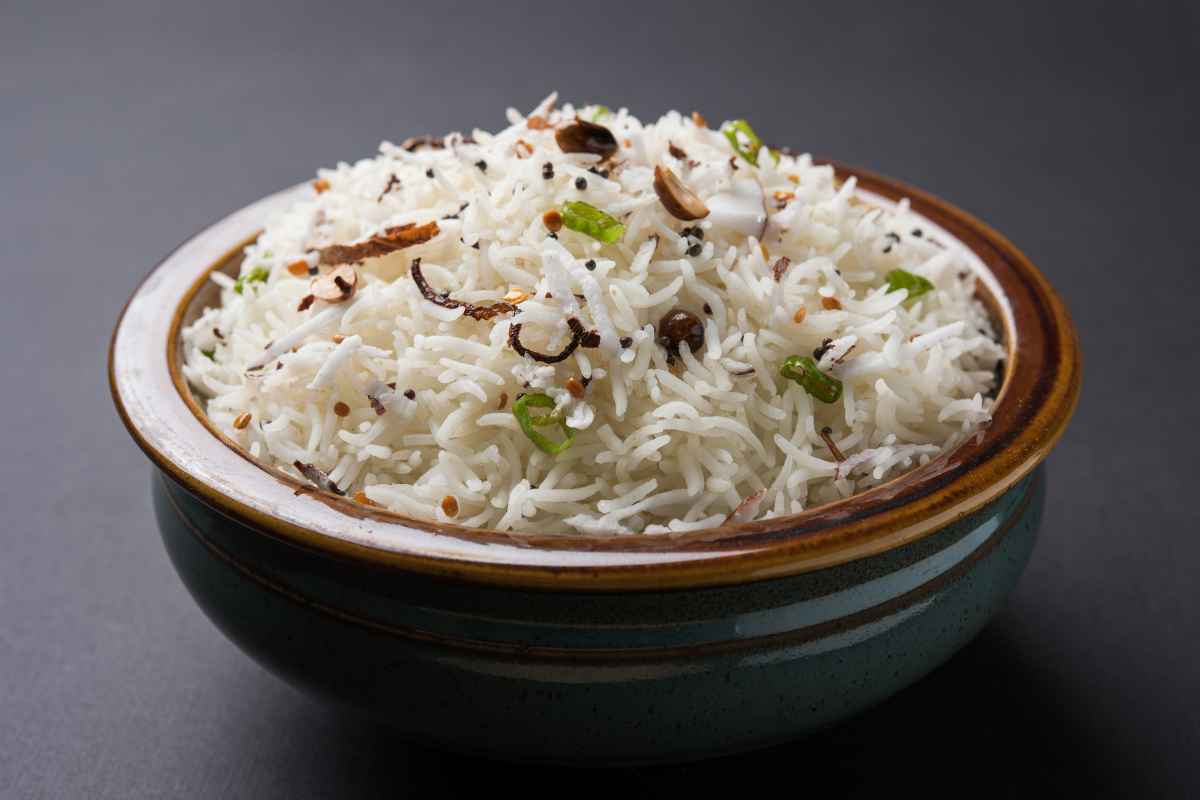
For a quick pilaf, toast the rice in a little oil with onion or garlic until it smells nutty, then add hot broth and proceed with absorption. For coconut rice, swap part (or all) of the water with well-stirred coconut milk and finish with a pinch of sugar and salt for balance.
Try cilantro-lime rice by folding in lime zest, a squeeze of lime juice, and chopped cilantro after the rest. When using leftovers for fried rice, chill the grains first so they dry slightly, then cook over high heat so they crisp instead of steam.
Leftovers & Food Safety You Can Trust
Rice is best handled with intention. Cool it quickly by spreading it in a thin layer or portioning into shallow containers; refrigerate within two hours. Store for 3–4 days and reheat until steaming hot.
Avoid leaving cooked rice at room temperature—cooling slowly encourages bacterial growth. If anything smells off, discard it. Following these habits lets you store and reheat rice safely and enjoy it in soups, stir-fries, and rice puddings without worry.
Quick Answers: Rinsing, Soaking & The “Knuckle Rule”
Rinsing long-grain white varieties typically improves texture; sushi-style or sticky rice may be rinsed less if you want cohesion. Soaking helps brown rice cook more evenly and shave off a few minutes.
As for the famous “knuckle rule,” treat it as a rough visual cue that may work in your pot; for consistency across brands and cookware, measuring the best water-to-rice ratio is far more reliable.
Perfect Rice Every Time: Final Notes
Choose the method that matches your goal—absorption for fluffy grains, pasta method for speed and forgiveness, or oven-baked rice for even, hands-off batches. Keep an eye on your pot, master your ratios, and never skip the rest.
With these simple habits, you’ll have perfect rice at home any night of the week—ready to anchor stir-fries, curries, stews, and beyond.
Enjoy Watching This Video with a Similar Recipe

Source: Get Curried
Did you find this post useful or inspiring? Save THIS PIN to your Cooking Board on Pinterest! 😊

Other Recipes You’ll Love 😍