
Ayurvedic Cooking Basics: A Tasty Introduction to Healing Meals


Ayurveda isn’t just a wellness trend—it’s a 5,000-year-old system of natural healing that starts with what you put on your plate.
In Ayurvedic cooking, food isn’t just fuel. It’s medicine, nourishment, and balance. Whether you're new to Ayurveda or just curious about how to make your meals more healing and intentional, this guide will show you how to get started—deliciously.
What Is Ayurvedic Cooking?
Ayurvedic cooking is the culinary expression of Ayurveda, the ancient Indian science of life. The idea is simple: food affects your energy, your digestion, and your mood. So, Ayurvedic meals are designed to bring balance to your body and mind based on your dosha—your unique body-mind type.
The Three Doshas
In Ayurveda, everyone has a blend of three doshas:
Vata (air + space): creative, energetic, but prone to dryness and anxiety
Pitta (fire + water): driven and focused, but can become hot-headed or inflamed
Kapha (earth + water): calm and steady, but may feel sluggish or heavy
Your dominant dosha influences how your body responds to food, stress, and environment. Ayurvedic cooking aims to balance your doshas through ingredients, spices, and cooking methods.
Core Principles of Ayurvedic Cooking
You don’t need to overhaul your pantry overnight. Start by understanding a few core principles that guide Ayurvedic meals.
1. Cook Fresh and Seasonal
Fresh food is considered prana-rich—full of life force. Ayurveda avoids processed or leftover meals. Instead, it emphasizes simple, seasonal, and freshly cooked dishes that are easier to digest and more energizing.
2. Eat for Your Dosha
Each dosha thrives on specific flavors and avoids others. For example:
Vata benefits from warm, moist, grounding foods (think soups, stews, and healthy fats).
Pitta is cooled by bitter, astringent, and sweet foods like cucumbers, leafy greens, and basmati rice.
Kapha needs light, dry, and warming foods—spices like ginger and dishes with legumes or bitter greens.
3. Prioritize Digestion (Agni)
In Ayurveda, agni means digestive fire. A strong agni leads to good health; a weak one leads to toxins, or ama. To support digestion, Ayurvedic meals use warming spices like cumin, coriander, ginger, and fennel. These help your body process food more effectively.
Building a Balanced Ayurvedic Meal
You don’t need complex recipes or exotic ingredients to start eating Ayurvedically. A typical meal includes:
Grains: rice, quinoa, or millet
Legumes: lentils, mung beans, or split peas
Vegetables: cooked, seasonal produce that’s easy on the gut
Healthy fats: ghee, sesame oil, or coconut oil
Spices: turmeric, cumin, coriander, fennel, mustard seeds
Optional additions: yogurt, chutneys, pickles, or herbal teas
Tip: Start with a simple dish like kitchari—a one-pot meal of mung beans, rice, and spices that’s soothing and balancing for all doshas.
Essential Ayurvedic Ingredients to Keep on Hand
Spices
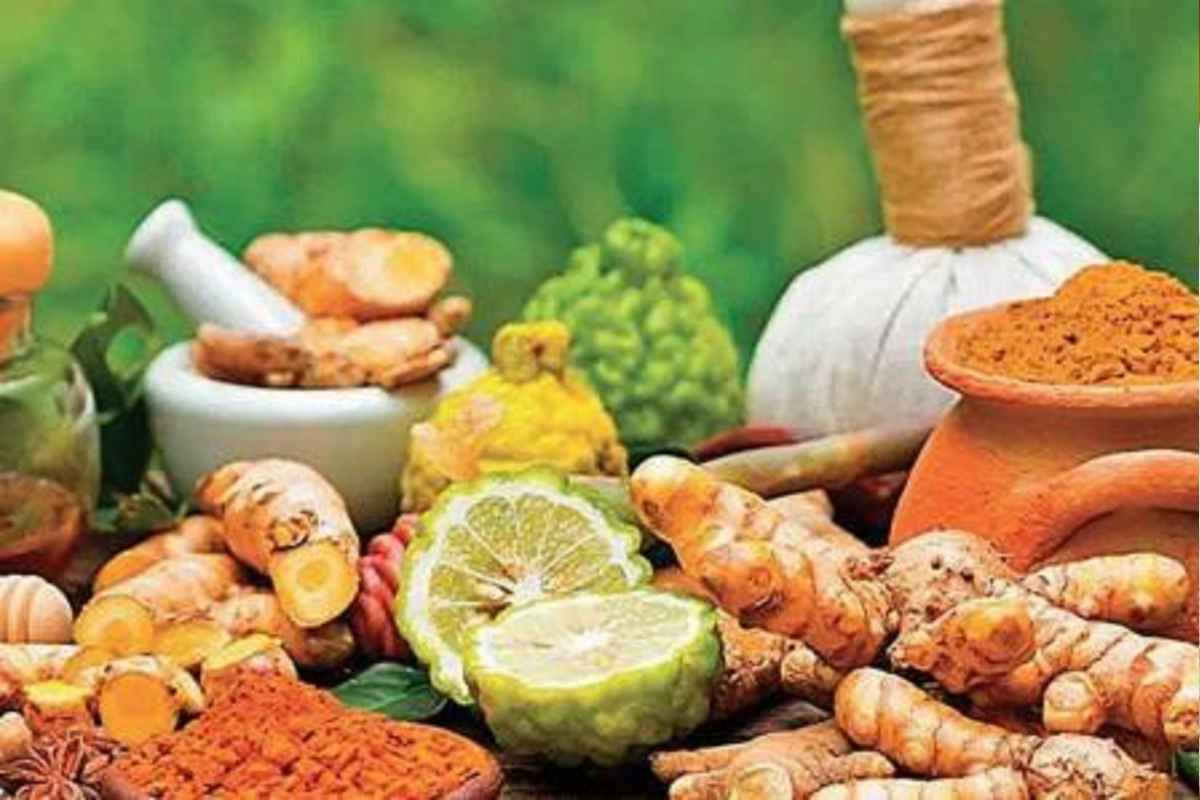
Spices are central in Ayurvedic cooking—not just for flavor, but for healing properties. Keep these in your pantry:
Turmeric: anti-inflammatory, supports immunity
Cumin: aids digestion
Coriander: cooling, good for Pitta
Fennel: soothes the stomach
Mustard seeds: stimulate agni
Asafoetida (hing): balances Vata, reduces bloating
Grains and Legumes
Stick to easily digestible grains and pulses like:
White basmati rice (lighter on the stomach than brown rice)
Split mung dal (very gentle and detoxifying)
Red lentils (cook quickly and suit all doshas)
Fats and Oils
Healthy fats are essential for carrying nutrients and lubricating tissues:
Ghee: a cornerstone of Ayurvedic cooking; boosts digestion
Coconut oil: good for cooling Pitta
Sesame oil: warming and grounding for Vata and Kapha
How to Start: A Sample Ayurvedic Meal Plan
Here’s what a simple day might look like when eating Ayurvedically:
Morning
Warm water with lemon or ginger tea to awaken digestion
Stewed apples with cinnamon for breakfast (balances Vata and Pitta)
Lunch (main meal of the day)
Kitchari with steamed seasonal vegetables and ghee
A side of coconut chutney or cilantro-mint chutney
Herbal tea like cumin-coriander-fennel (CCF tea)
Dinner
Lentil soup with cumin and turmeric
Quinoa or lightly spiced rice
Sautéed greens with mustard seeds and sesame oil
Note: Ayurveda recommends eating dinner before sunset when digestion slows down.
Simple Ayurvedic Cooking Habits to Adopt
Eat mindfully – Sit down, chew thoroughly, avoid multitasking.
Avoid ice-cold drinks – They weaken agni.
Give thanks – Gratitude supports digestion and mental clarity.
Don’t overeat – Leave some space in your stomach to aid digestion.
Ayurvedic cooking isn’t about restriction or rules—it’s about listening to your body and using food to bring yourself into balance. You don’t need to be a guru or nutritionist to start. With a few basic spices, some fresh ingredients, and an open mind, you can turn your kitchen into a place of healing, warmth, and flavor.
Try one small change at a time. Swap your cold cereal for a warm porridge. Cook a pot of kitchari. Sip a cup of digestive tea. You’ll feel the difference—and your body will thank you.
Enjoy Watching This Video with a Similar Recipe

Source: Banyan Botanicals
Did you find this post useful or inspiring? Save THIS PIN to your Cooking Board on Pinterest!
Other Recipes You’ll Love 😍