
A Taste of Sichuan: How to Make Authentic Kung Pao Chicken


Kung Pao Chicken is an iconic dish from Sichuan cuisine, a style of Chinese cooking known for its bold flavors, intense heat, and aromatic spices. Originally from the Sichuan province of China, this dish has an interesting history tied to the Qing Dynasty.
Named after Ding Baozhen, a governor of the province, Kung Pao Chicken became a favorite among locals due to its delicious balance of spicy, tangy, and savory flavors.
Over time, Kung Pao Chicken has made its way to the global stage, becoming one of the most popular Chinese dishes around the world.
Despite the many Westernized versions of the dish, making authentic Kung Pao Chicken means respecting the core ingredients and techniques that give it its unique flavor profile.
In this guide, we'll walk you through the steps to create this delicious and flavorful dish at home. Using traditional ingredients like Sichuan peppercorns, dried chilies, and roasted peanuts, you'll experience the true taste of Sichuan.
Ingredients for Authentic Kung Pao Chicken

The ingredients used in Kung Pao Chicken are what set it apart from other stir-fried chicken dishes. To create the best flavor, you'll need the following items:
- 500g chicken thighs (skin-on, bone-in for optimal flavor)
- 3 tablespoons vegetable oil (or peanut oil for added authenticity)
- 6-8 dried red chilies (adjust based on your preferred spice level)
- 1 tablespoon Sichuan peppercorns (key to the dish's signature numbing flavor)
- 1/2 cup roasted peanuts (unsalted for better control of flavor)
- 2 cloves garlic (finely minced)
- 1-inch piece of ginger (peeled and finely minced)

- 1/4 cup soy sauce (both light and dark soy sauce combined for depth)
- 1 tablespoon rice vinegar (for a balanced acidity)
- 1 tablespoon sugar (to add sweetness to counteract the heat)
- 1 tablespoon cornstarch (to help thicken the sauce)
- 1/4 cup chicken broth (for a rich, flavorful base)
- 2 tablespoons Shaoxing wine (or dry sherry as a substitute)
- 1 tablespoon sesame oil (for an extra layer of flavor)
Preparing the Chicken and Sauce
- Marinate the Chicken:
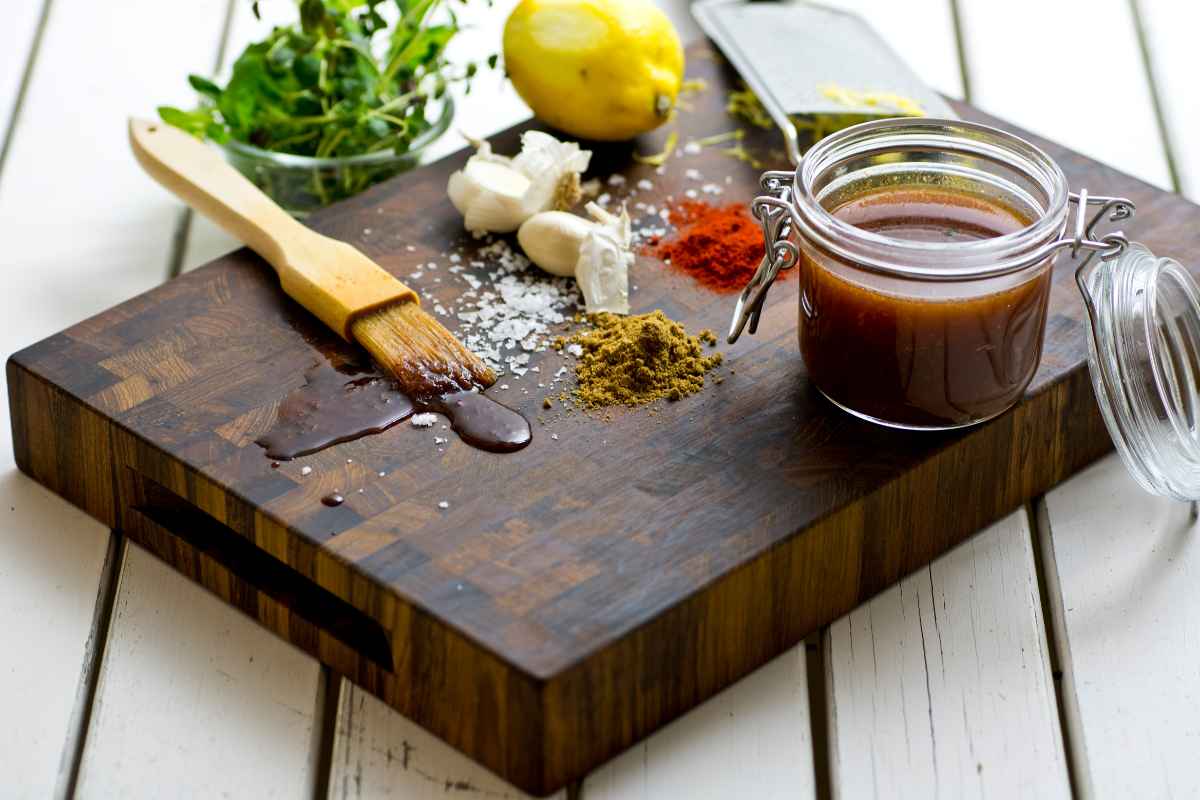
Begin by cutting the chicken thighs into bite-sized pieces. Place the chicken in a bowl and add soy sauce, Shaoxing wine, and sugar. Let the chicken marinate for at least 20 minutes. This allows the chicken to absorb the flavors and results in a tender texture once cooked. The longer you marinate the chicken, the more flavorful it will be. - Make the Sauce:
In a separate bowl, combine light soy sauce, rice vinegar, sugar, and cornstarch. Add chicken broth and stir until the sugar is dissolved and the sauce thickens slightly. This will be your flavorful base. Set the sauce aside, ready to be poured over the chicken later.
Cooking the Kung Pao Chicken
- Fry the Chicken:
Heat vegetable oil or peanut oil in a wok over high heat. Once the oil is hot, add the marinated chicken pieces. Let them cook for about 5 minutes per side until the skin is golden and crispy. The high heat ensures a crispy exterior while keeping the inside juicy. Remove the chicken from the wok and set it aside on a plate.

- Prepare the Flavor Base:
In the same wok, add Sichuan peppercorns and dried red chilies. Stir-fry them for 30 seconds until they release their fragrance. Be cautious not to burn them, as they can turn bitter. Once the spices are fragrant, add the minced garlic and ginger to the wok. Stir-fry for an additional 30 seconds until softened, being careful not to let them burn. - Combine the Chicken and Sauce:
Return the cooked chicken to the wok and pour in the pre-made sauce. Toss everything together, making sure the chicken is evenly coated. Let it cook for another 2-3 minutes, allowing the sauce to thicken and become glossy. The chicken will absorb the flavors, resulting in a rich and savory taste. - Finish with Peanuts:
Add the roasted peanuts to the wok and toss to combine. The peanuts will add a crunchy texture that complements the tender chicken. Drizzle sesame oil over the top for an added layer of flavor and serve immediately.
Tips for the Best Recipe

- Use Bone-In Chicken Thighs: While boneless, skinless chicken breasts are a common substitute in many recipes, using bone-in, skin-on chicken thighs enhances the dish’s flavor and juiciness. The bones provide additional richness, making it more authentic.
- Adjust the Spice Level: The number of dried chilies can be adjusted based on your preference for heat. For a milder dish, use fewer chilies, or substitute with milder peppers. If you prefer more spice, feel free to add more chilies or even a splash of chili oil.
- Toast the Peanuts: For added flavor, toast the peanuts in the wok or a separate pan before adding them to the dish. This step brings out their natural oils and enhances their crunch.
- Use a Wok: While a regular skillet can work, a wok is ideal for stir-frying as it allows for high-heat cooking, which caramelizes the sauce and helps the ingredients cook quickly, preserving their flavors and textures.
- Don't Overcook the Chicken: Make sure not to overcook the chicken, as it can become tough. Cook until the chicken is just browned and cooked through to maintain a tender texture.
Variations and Alternatives

Kung Pao Chicken is incredibly versatile, and you can easily customize it to suit your dietary preferences. Here are some variations to try:
- Vegetarian Kung Pao: Replace the chicken with tofu or seitan to create a plant-based version. Tofu absorbs the flavors well and provides a similar texture to the chicken.
- Different Nuts: While peanuts are traditional, you can experiment with other nuts like cashews or almonds for a different texture and flavor.
- Spicy Kung Pao: If you love heat, consider adding fresh chilies or a dash of hot chili sauce to ramp up the spiciness.
Your Guide to a Flavorful Favorite
Kung Pao Chicken is a delicious, savory, and spicy dish that perfectly captures the essence of Sichuan cuisine. Whether you're making it for dinner, a special occasion, or just to satisfy your craving for Chinese food, this dish is sure to impress.
With its crispy chicken, fragrant spices, and crunchy peanuts, it's a harmonious blend of flavors that will delight your taste buds.
Making authentic Kung Pao Chicken at home is easier than you might think, especially with the right ingredients and techniques. Follow the steps, and soon you’ll be savoring a dish that’s as flavorful as anything you’d find in a restaurant.
So, gather your ingredients, fire up your wok, and get ready to enjoy one of China’s most iconic dishes right in your own kitchen.
Enjoy Watching This Video with a Similar Recipe
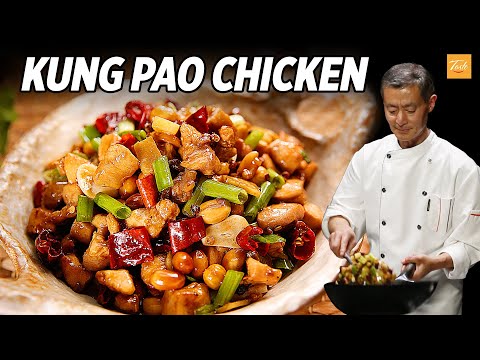
Souce: Taste Show
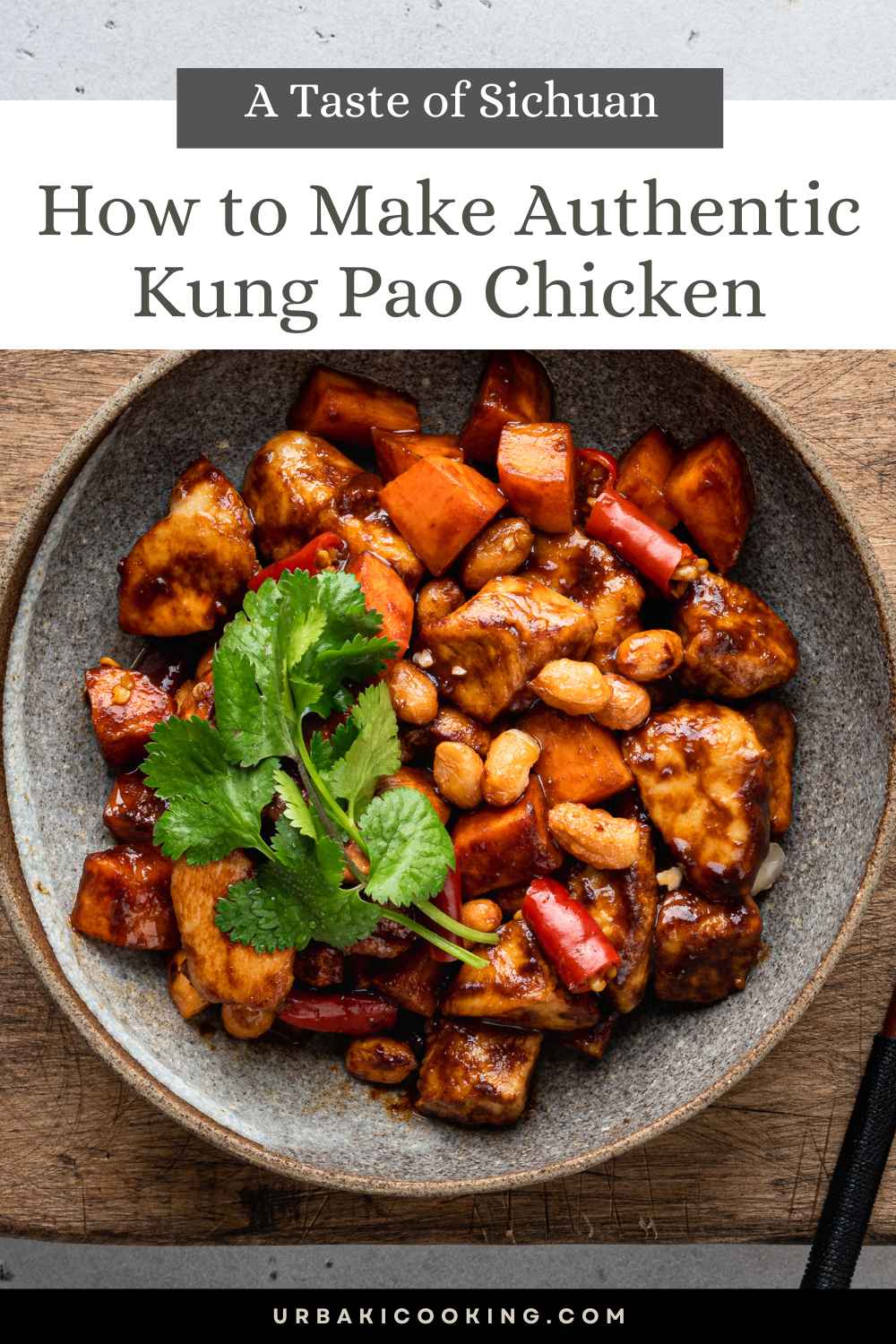
Did you find this post useful or inspiring? Save THIS PIN to your Cooking Board on Pinterest! 😊
Other Recipes You’ll Love 😍