
Discover the Hidden Secrets Behind Authentic Wonton Soup


Behind the gentle steam of a freshly served bowl of Wonton Soup lies a centuries-old culinary secret. This iconic dish, also known as Sopa Wantán, is not just another comforting broth—it’s a story of tradition, precision, and flavor. Whether served at a humble street cart or a high-end restaurant, its success depends on balance, texture, and timing.
In this article, we’ll look at what makes this dish so special, the key parts behind its appeal, and how you can appreciate or even recreate it in your own kitchen.
A Bowl Rich in History
Wonton soup traces its roots back to ancient China, where it began as a regional specialty before spreading across the world. The word "wonton" roughly translates to "swallowing clouds" in Cantonese—a fitting name given the dumplings’ light, delicate appearance as they float in the broth.
While its recipe varies by region, the foundation remains consistent: a clear, aromatic broth and tender dumplings filled with savory meat or vegetables. Over time, it became a symbol of warmth and family, especially during Chinese New Year celebrations or cozy family meals.
The Heart of the Dish: The Wonton
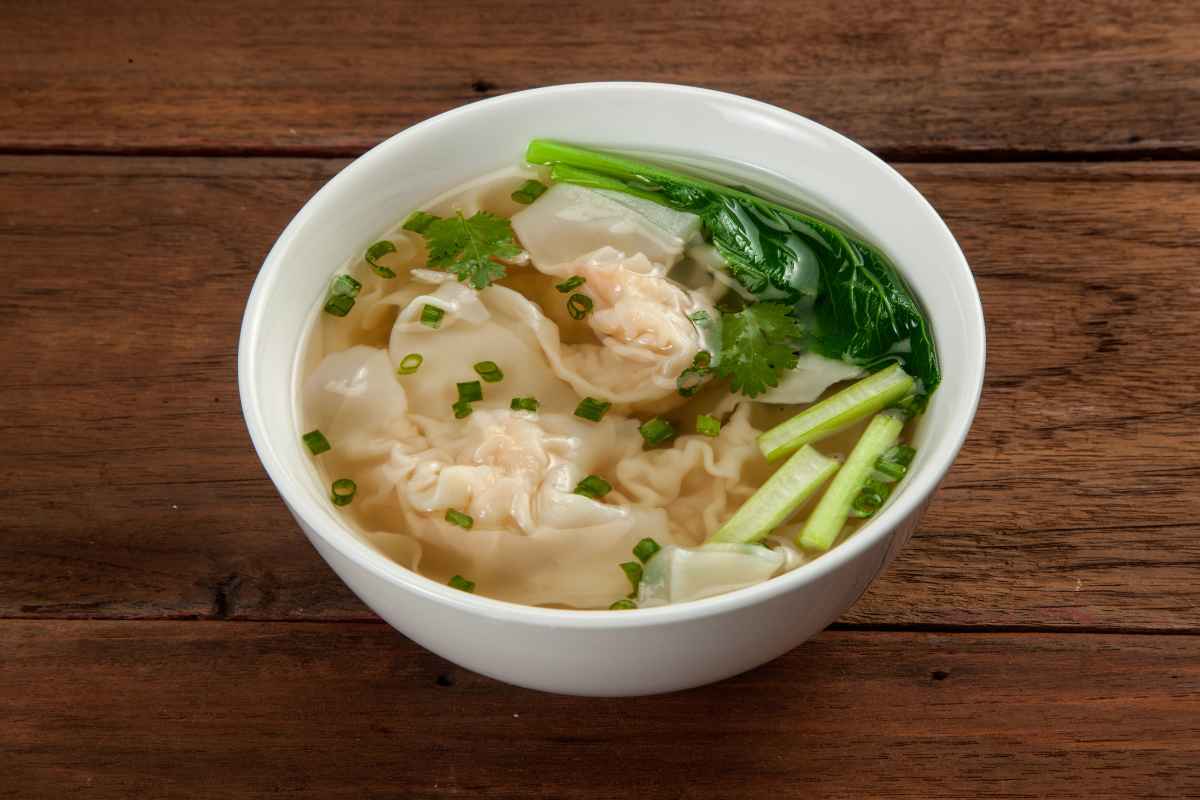
At the center of it all is the wonton itself—a small, hand-wrapped dumpling that’s both elegant and rustic. The dough is made with flour, water, and sometimes egg, resulting in a thin yet elastic wrapper that becomes silky when boiled.
The filling is where flavors come alive. A traditional pork-based mixture might include:
Ground pork or shrimp
Garlic, ginger, and green onions
A splash of soy sauce or sesame oil
A dash of white pepper
Each wrapper is folded around the filling, usually into a triangle or pouch shape, then sealed with a touch of water. The goal is to create a delicate bite—not too doughy, not overly stuffed, but balanced and tender.
Crafting the Perfect Broth
No matter how perfect your wontons are, the broth must bring out their best. The broth is the base that all the other flavors sit on. It’s usually clear and mild, but far from bland.
A good wonton soup broth might begin with a long-simmered chicken stock or a combination of chicken and pork bones. Garlic, ginger, scallions, and a splash of rice wine or soy sauce give it complexity without overpowering the dumplings.
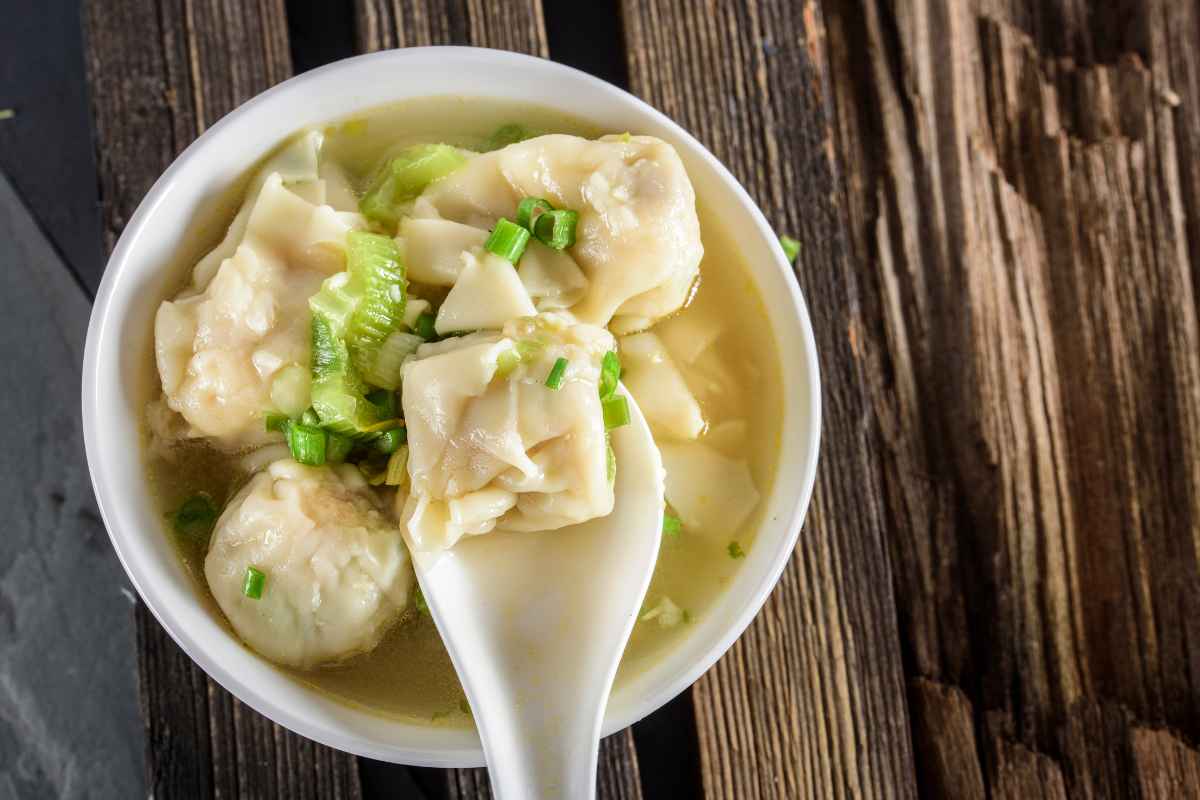
What makes the broth truly exceptional is its clarity and aroma. Simmered slowly and skimmed carefully, the result is a golden, fragrant liquid that warms you from the inside out.
The Secret Lies in Simplicity
What surprises many people is that the real secret of wonton soup isn’t hidden in some rare ingredient—it’s found in the care and patience with which it’s made.
Each component is simple on its own: a clear broth, a dumpling, a few herbs. But when these are combined with skill and love, they transform into something deeply comforting and profoundly satisfying.
The harmony between textures—the soft dumpling, the silky broth, the slight crunch of fresh greens like bok choy or scallions—makes this dish unforgettable.
Modern Variations with Traditional Roots
While the traditional pork or shrimp wontons remain classic, many modern versions of wonton soup experiment with new ingredients or techniques. You might find:
Spicy Sichuan-style broths with chili oil
Vegetarian fillings with tofu, mushrooms, or cabbage
Fusion takes with beef or even seafood blends
What makes these versions successful is their respect for the original format. The essence remains—light, balanced, flavorful—even if the ingredients evolve.
Enjoying Wonton Soup at Home
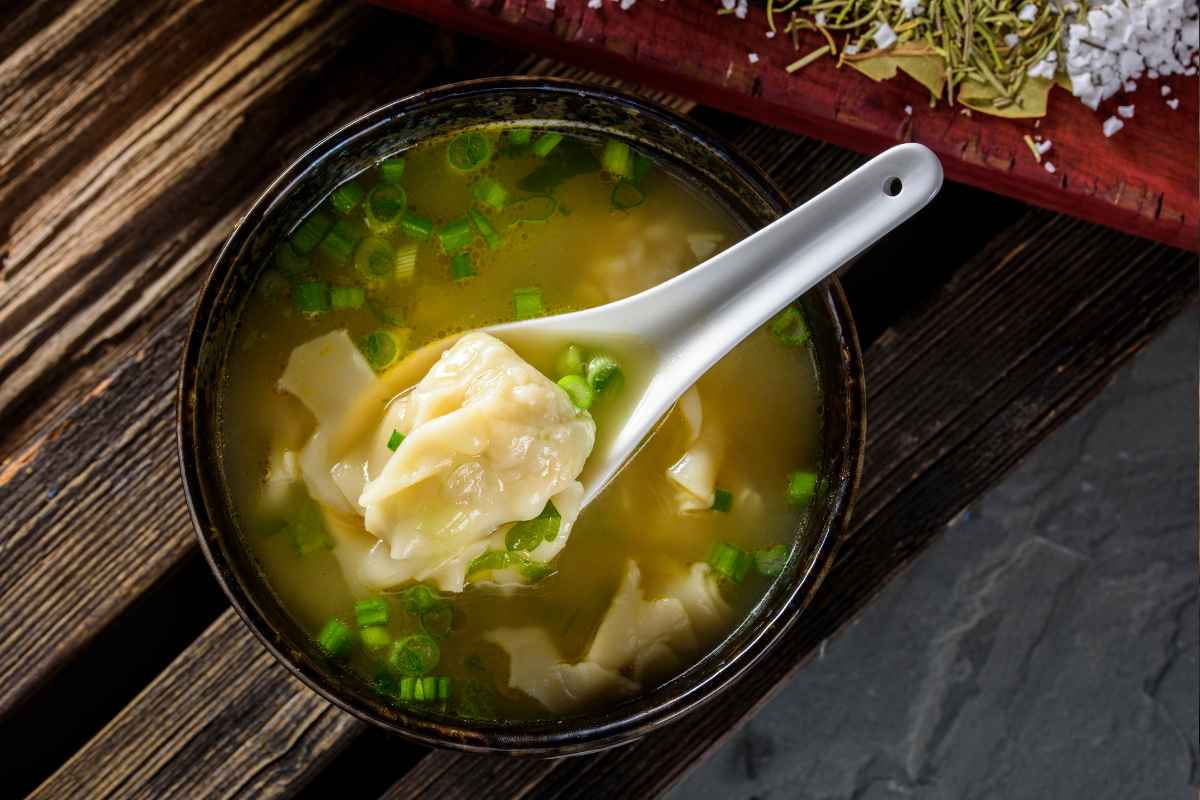
Though it’s often associated with restaurants or takeout, wonton soup is surprisingly approachable to make at home. It requires a bit of preparation, but once you’ve folded a batch of dumplings, they can be frozen and used whenever you crave a quick, satisfying meal.
Here are a few tips for the best homemade experience:
Don’t overfill the dumplings—they cook better with a modest amount.
Use a slotted spoon to remove wontons from water to avoid breakage.
Serve immediately once assembled, as the wontons continue to soften in broth.
Pair it with a light stir-fried dish or steamed greens for a complete and comforting dinner.
A Dish That Brings People Together
There’s something inherently communal about wonton soup. Whether you’re making it together with family, ordering it for a cozy night in, or enjoying it in a bustling restaurant, it carries a sense of connection and warmth.
The act of folding wontons itself can become a joyful group activity, with generations passing down techniques and sharing stories while hands work dough and fill dumplings.
In a world that often rushes meals, wonton soup encourages a pause, a moment to appreciate craftsmanship and flavor in one simple, soothing bowl.
A Timeless Favorite
Ultimately, the secret of sopa wonton lies not in a fancy twist or hidden ingredient, but in its devotion to balance, simplicity, and care. From the delicate dumplings to the fragrant broth, everything in the bowl works in harmony.
It’s a dish that soothes, nourishes, and impresses all at once. Whether you’re discovering it for the first time or returning to a longtime favorite, every spoonful offers comfort and satisfaction.
So the next time you lift a wonton from a steaming bowl, remember: what you’re tasting is more than a recipe. It’s a tradition, a story, and a secret worth sharing.
Enjoy Watching This Video with a Similar Recipe
Source: Kwan Homsai

Other Recipes You’ll Love 😍