
Ultimate Ramen Recipe: How to Make the Perfect Bowl of Noodles at Home


Ramen, a Japanese comfort food adored worldwide, has a fascinating history and a complexity in its flavor profiles that make it so much more than just a bowl of noodles.
What began as a simple dish with Chinese roots has evolved into a beloved staple of Japanese cuisine, influencing food culture globally. Whether you’re new to ramen or a seasoned enthusiast, learning to make this dish at home opens a world of possibilities.
Let’s explore the ultimate ramen recipe, the various styles you can experiment with, and why this iconic dish deserves a spot in your kitchen.
The Fascinating History of Ramen
Ramen’s story began in China, where it started out as a noodle soup dish. However, it didn’t become popular until it was introduced to Japan in the early 1900s, where it was quickly adapted to local tastes.
Ramen grew from a humble street food into a cultural phenomenon across Japan. Today, it’s no longer just a quick meal but a craft that chefs and home cooks alike perfect.
From China to Japan and Beyond
In the 1950s, ramen became a symbol of post-war Japan’s recovery, with the invention of instant ramen in 1958 by Momofuku Ando changing the culinary landscape forever.
It wasn’t long before ramen transitioned from a simple, cheap meal to a delicacy in ramen shops, with regional variations and complex flavors.

The Different Types: Regional Variations and Styles
While many people think of ramen as just a noodle soup with broth and toppings, the truth is that ramen recipes differ greatly depending on the region of Japan you're in. Let’s explore some of the most popular ramen styles:
Tonkotsu Ramen: A Rich, Creamy Delight
Originating in Hakata, tonkotsu ramen features a rich, creamy broth made by simmering pork bones for hours until the marrow breaks down, creating a silky, thick, and intensely flavorful liquid.
This hearty broth is often paired with thin, straight noodles and topped with chashu pork, green onions, and a soft-boiled egg.
How to Make It at Home:
Making tonkotsu ramen requires a long cooking time, but the results are worth it. To create the creamy texture, start by boiling pork bones, such as neck bones, for 6–8 hours.
Skim off any impurities as the stock simmers, and for added depth of flavor, include aromatics like ginger, garlic, and onions.
Shoyu Ramen: A Savory Soy Sauce Base
Shoyu ramen is soy-based, known for its savory umami flavor. The broth is usually clear and lighter than the rich tonkotsu, making it a favorite for those who prefer a less heavy soup.

This type of ramen is typically accompanied by a variety of toppings, including bamboo shoots, green onions, nori, and a marinated egg.
Recipe:
To make a shoyu ramen broth, combine soy sauce with chicken or pork stock, simmering for about 2 hours. The result is a deeply flavorful broth with a balanced, savory profile.
Miso Ramen: The Umami Powerhouse
First introduced in Hokkaido in the 1960s, miso ramen uses miso paste as a key component of the broth, providing a rich, hearty flavor. The miso-based soup works well with hearty toppings like ground pork, sweet corn, and sautéed vegetables.
Instructions:
Miso ramen broth is a bit thicker than shoyu or shio, with the paste adding a lovely depth of flavor. Simply add the miso paste into a base of pork or chicken stock and let it simmer to meld the flavors together.
For a more indulgent miso ramen, try adding a little cream or butter for richness.
Shio Ramen: A Lighter, Salt-Based Option
The lightest of all ramen broths, shio ramen uses salt as the main seasoning, creating a clear, clean, and crisp broth that often features chicken or seafood. This ramen style is perfect for those who enjoy a lighter flavor that lets the toppings shine.
Preparing Shio Broth:

Shio broth is simple yet flavorful. Combine chicken or seafood stock with sea salt, adding subtle layers of flavor with ingredients like garlic, kelp, or dried fish. It’s perfect for a minimalist approach to ramen.
The Perfect Ramen: Step-by-Step Guide
Making ramen at home doesn’t have to be complicated. With the right ingredients and a little bit of time, you can recreate an incredible bowl of ramen that rivals what you’d find at a ramen shop.
General Ingredients:
- Ramen noodles (fresh or dried)
- 1 lb chicken thighs, pork belly, or your choice of protein
- 4 cups chicken broth or pork stock
- 2 tablespoons soy sauce
- 2 tablespoons miso paste (for miso ramen)
- 1 tablespoon sesame oil
- 4 soft-boiled eggs
- 1 cup shiitake mushrooms, sliced

- 1/2 cup bamboo shoots
- 1 cup spinach or corn
- Green onions (for garnish)
- Nori (seaweed sheets)
- Optional toppings: Chashu pork, narutomaki (fish cakes), or bean sprouts
Instructions:
1. Prepare the Broth
Start by simmering the chicken or pork stock in a large pot, adding the soy sauce and miso paste (for miso ramen). For extra depth of flavor, stir in sesame oil and any aromatics you prefer, such as garlic or ginger.
Let the broth simmer for 20 minutes, and season with additional soy sauce, salt, or miso for balance.
2. Cook Your Protein
In a separate pan, cook your protein—whether it’s chicken thighs, pork belly, or chashu pork. If you’re using chicken, sear the pieces until golden and juicy, then shred them for your ramen.
For pork belly, slow-cook it in a soy-based marinade to achieve tender, melt-in-your-mouth results.

3. Soft-Boil the Eggs
To create perfect soft-boiled eggs, carefully lower the eggs into boiling water and cook for about 7 minutes. Once they are cooked, place them in an ice bath to halt the cooking process, then peel off the shells.
4. Cook the Noodles
Prepare your ramen noodles according to the instructions on the package. Drain and set them aside, ready to be served in your broth.
5. Assemble the Ramen
To assemble your bowl of ramen, start by placing the noodles at the bottom of a bowl. Pour the hot broth over the noodles, and then top with your protein, eggs, and garnishes like green onions, nori, and shiitake mushrooms.
You can add extra vegetables, such as corn, spinach, or bean sprouts, for additional texture and flavor.
6. Add Extra Toppings
Enhance your ramen with additional toppings like sesame seeds, pickled ginger, or chili oil to suit your personal preferences.
The Art of This Dish: A Personal Touch
Ramen is not just about following a recipe; it’s about exploring flavors and textures. Each bowl tells a story—from the rich, meaty broths of tonkotsu to the light, delicate notes of shio ramen.

With endless combinations of toppings, broths, and seasonings, the perfect ramen can be uniquely yours.
Customize Your Ramen
- Experiment with different noodle types, such as wavy noodles or thin straight noodles.
- Add creative toppings like grilled chicken, crispy garlic, or pickled vegetables to elevate your bowl.
- Try a vegan or vegetarian version of ramen by using plant-based broths, tofu, and vegetables.
A Bowl of Comfort Awaits
Making ramen at home allows you to bring a taste of Japan into your kitchen while experimenting with various regional styles and ingredients.
Whether you prefer the rich depth of tonkotsu ramen, the umami of miso ramen, or the clarity of shio ramen, there’s a world of flavor waiting to be explored. So gather your ingredients, master your broth, and indulge in a bowl of ramen that’s as comforting as it is delicious.
Enjoy Watching This Video with a Similar Recipe
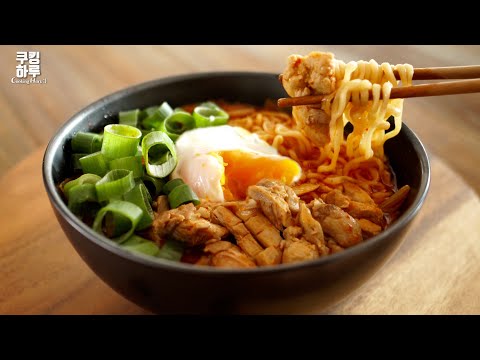
Source: 쿠킹하루 Cooking Haru 🙂
Did you find this post useful or inspiring? Save THIS PIN to your Cooking Board on Pinterest! 😊

Other Recipes You’ll Love 😍