
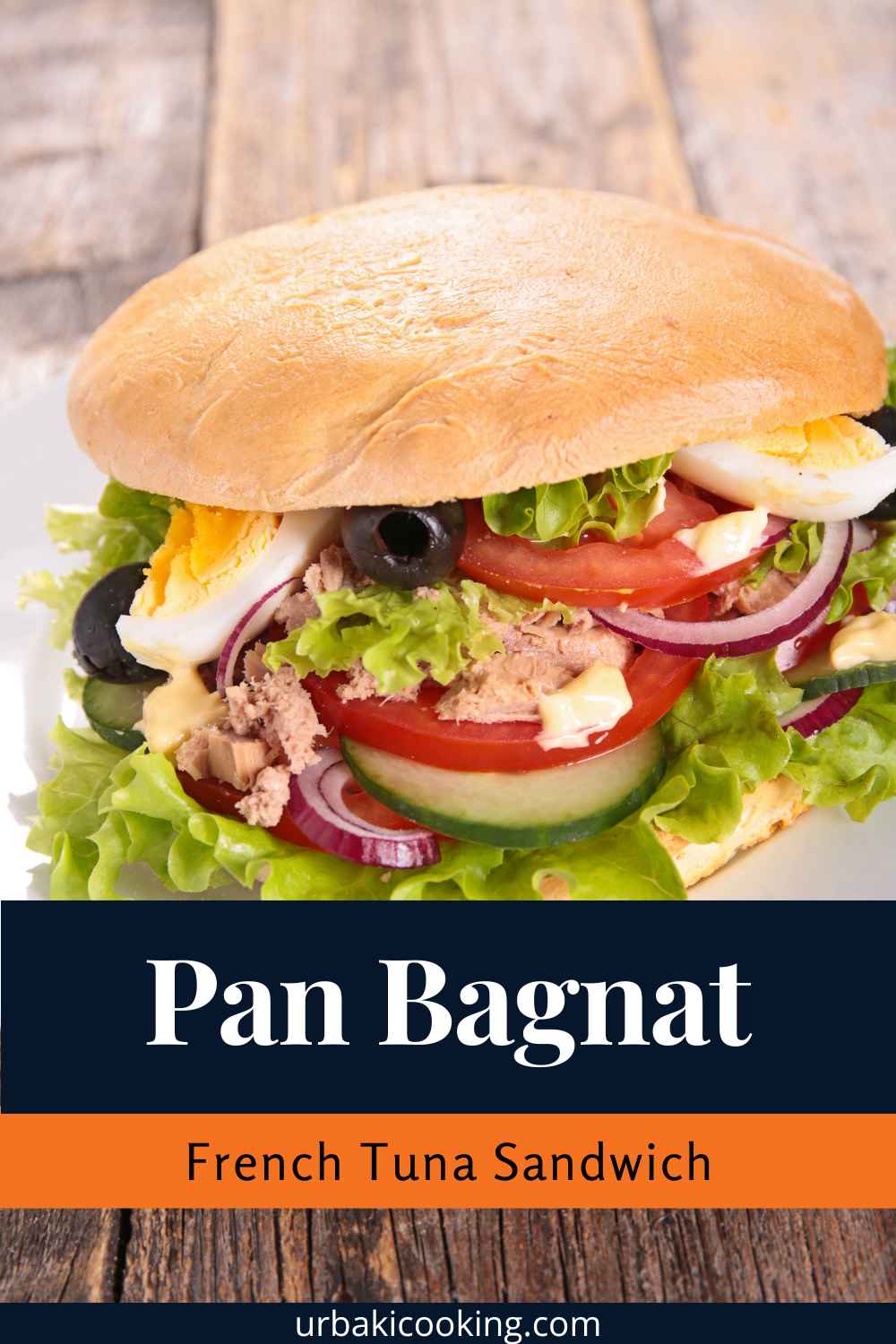
Pan Bagnat: French Tuna Sandwich

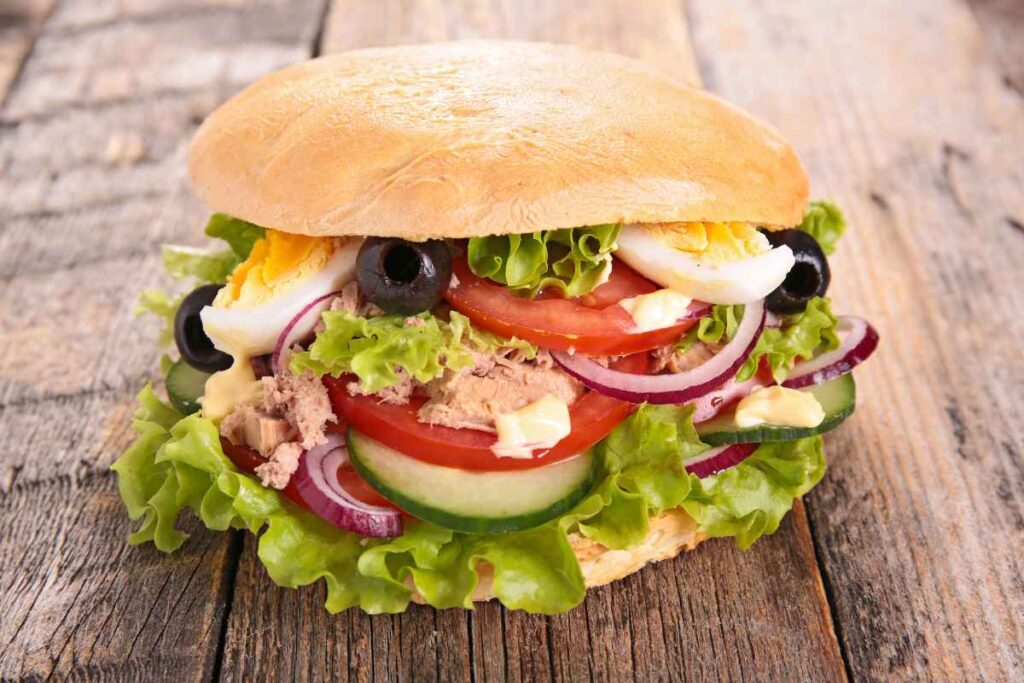
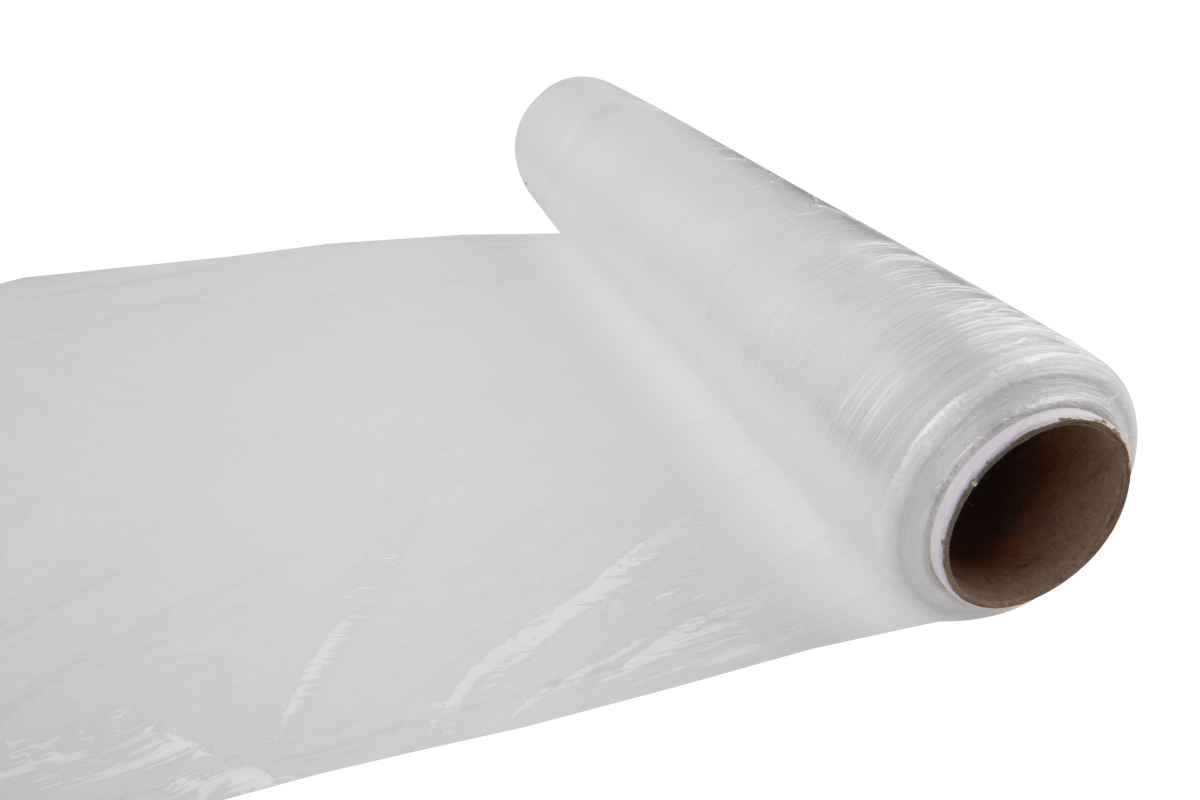
A staple from Nice, Pan Bagnat literally means “bathed bread”—a crusty loaf that soaks up olive oil, tomato juices, and briny goodness until every bite is savory, juicy, and deeply satisfying.
This French tuna sandwich is quick to assemble, happy to rest, and even better a few hours later.
What Is Pan Bagnat?
Born on the French Riviera, Pan Bagnat from Nice, France tucks the spirit of Salade Niçoise inside bread. Traditionally there’s no mayo, only great extra-virgin olive oil, crisp vegetables, quality tuna in olive oil, anchovies, and hard-boiled eggs.
The key is a gentle press and a patient rest so the bread gets “bathed” and the flavors marry.
Ingredients
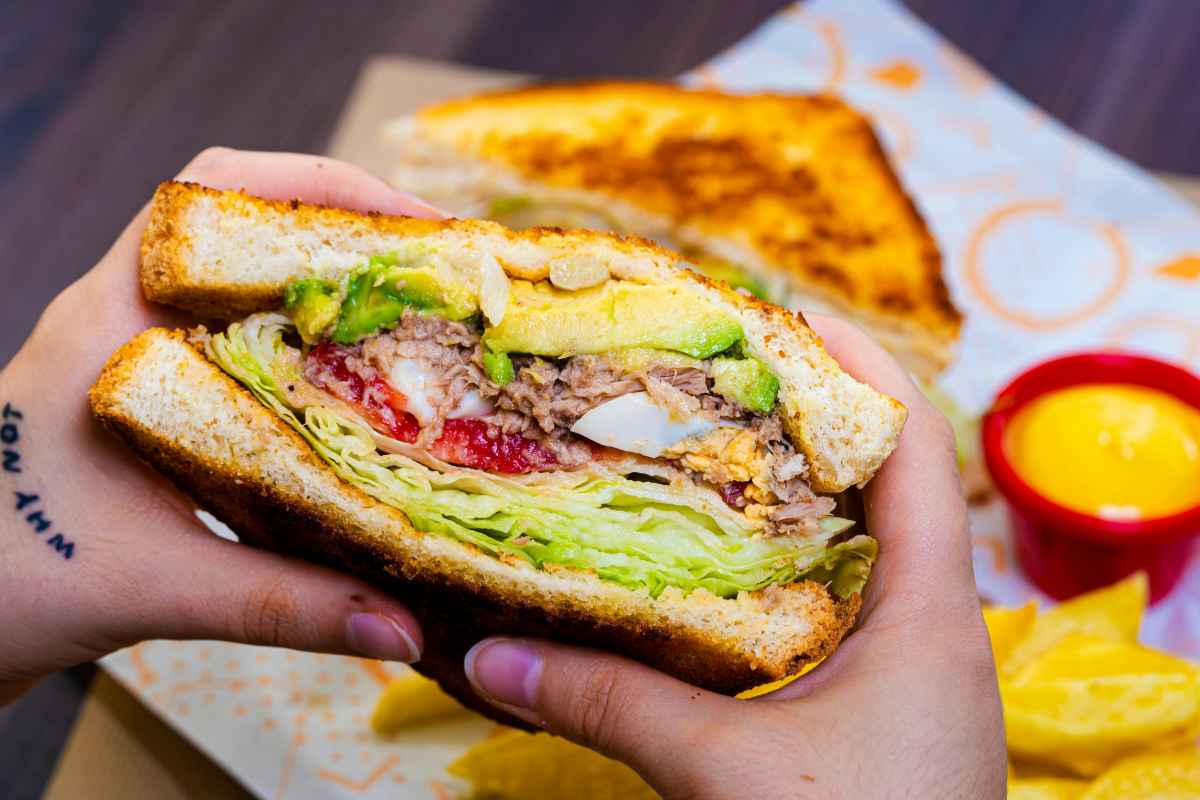
- 1 oval crusty loaf or small boule/ciabatta (about 400–500 g), or 1 large baguette
- 2 cans tuna in olive oil (each 5–6 oz/140–170 g), drained lightly
- 2 medium ripe tomatoes, thinly sliced
- 1 small red onion, very thinly sliced
- ½ cup (75 g) Niçoise or Kalamata olives, pitted and halved
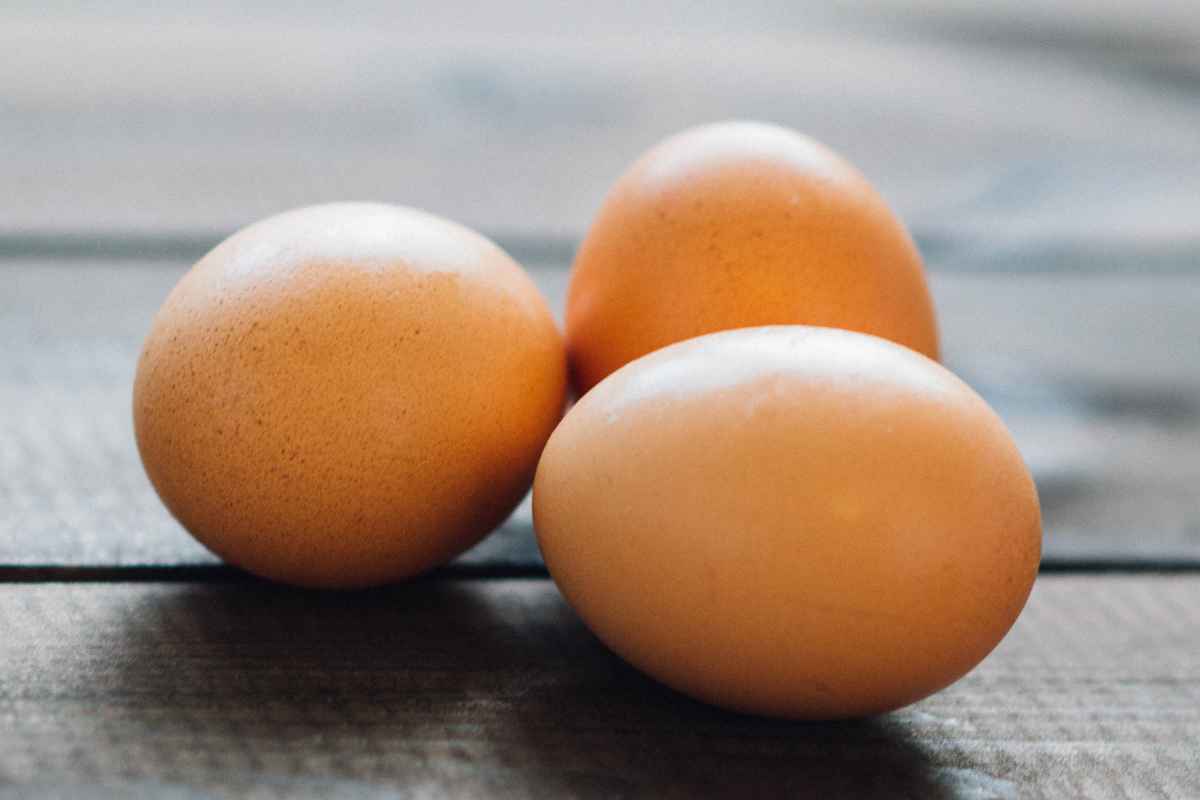
- 2 hard-boiled eggs, peeled and sliced
- 6–8 anchovy fillets (optional but traditional)
- 1 small cucumber, thinly sliced (English or Persian)
- 1 small red bell pepper, thin strips (optional)
- 1 small garlic clove, cut in half
- 2 tbsp capers, rinsed and drained
- ¼ cup (60 ml) extra-virgin olive oil, plus more as needed
- 1–2 tbsp red-wine vinegar (or sherry vinegar)
- Sea salt & black pepper, to taste
- Fresh basil or parsley (handful), torn
Notes: Niçoise olives are classic and delicate; Kalamata are easier to find and add a bolder, brinier note. Choose bread with a sturdy crust so it can absorb the juices without collapsing.
A Little History (and Why It Matters)
Authentic Pan Bagnat emerged as a thrifty, flavorful lunch for workers in Nice: day-old bread softened with extra-virgin olive oil and tomato juices, filled with whatever was on hand—tuna, anchovies, eggs, and seasonal vegetables.
Understanding that DNA helps you make choices that feel right: keep it olive-oil-forward, keep it simple, and let time do the work. The sandwich should taste sun-kissed, briny, and clean—never heavy.
The Dressing You’ll Make on Repeat
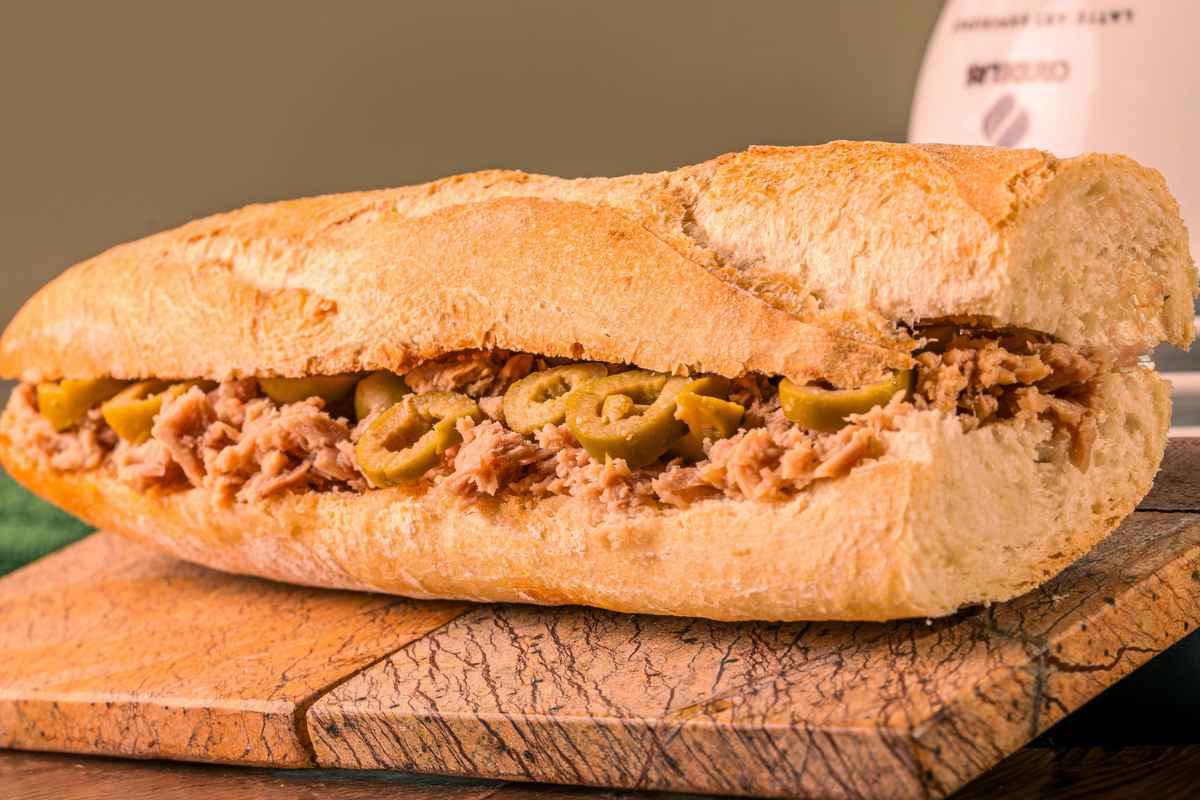
Whisk extra-virgin olive oil, red-wine vinegar, a pinch of sea salt, and cracked pepper. It should taste lively yet rounded. You can add a whisper of Dijon mustard if you like a slightly emulsified texture, but keep it restrained to let the olive oil and tuna lead.
Method
1) Tame the Onion
Soak the sliced onion in ice-cold water for 10–20 minutes. Drain and pat dry. This keeps things bright without harshness.
2) Make the Dressing
In a small bowl, whisk extra-virgin olive oil with red-wine vinegar, salt, and pepper. Taste and adjust. It should be bold enough to wake up the bread.
3) Prep the Bread
Slice the loaf horizontally. If the crumb is dense, pull a little from the center to create space. Rub both cut sides lightly with the garlic clove. Drizzle a thread of olive oil on each cut side to start the soak.
4) Layer the Flavors
Layer on the bottom half: tomatoes (seasoned), cucumber, red pepper, tuna (in large flakes), olives, capers, anchovies (if using), onion, herbs, then egg slices. Spoon some dressing over the fillings and over the cut side of the top loaf. The goal is a sandwich that will bathe rather than drip.
5) Press & Rest
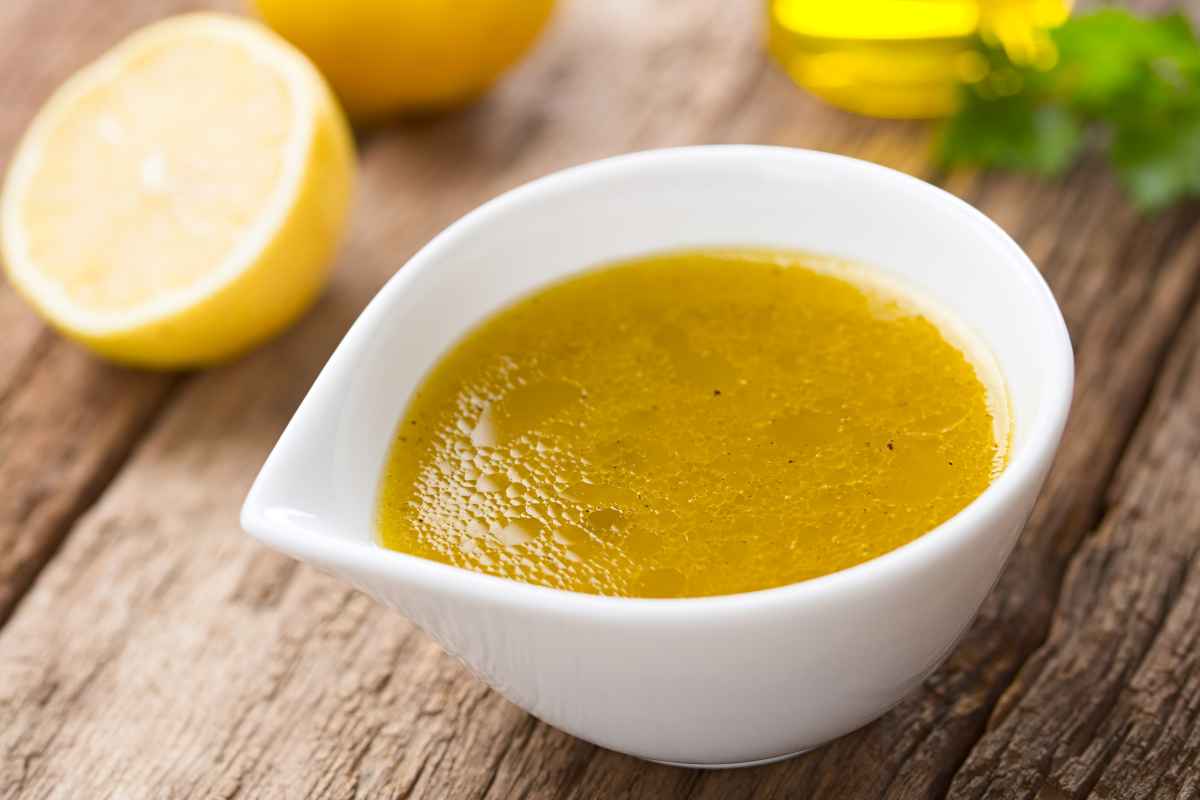
Wrap tightly in parchment or plastic. Set a heavy skillet, sheet pan with cans, or a small Dutch oven on top to press for 30–60 minutes at room temperature, or up to 4 hours in the fridge. Pressing compacts the layers, lets the crumb absorb juices, and creates clean, cohesive slices.
6) Slice & Serve
Unwrap and slice with a serrated knife. You want a moist interior and a crust that still has some snap.
Why Pressing Works (A Mini Texture Science)
Bread is a network of starch and protein that can hold and redistribute moisture. Pressing applies gentle, even pressure so oil, vinegar, and tomato juices migrate into the crumb rather than escaping at first bite.
The result is the signature bathed bread texture—juicy but not soggy, deeply seasoned without any single ingredient shouting.
Variations & Smart Swaps
- No-Anchovy Version: Skip the anchovies and bump the capers for brine.
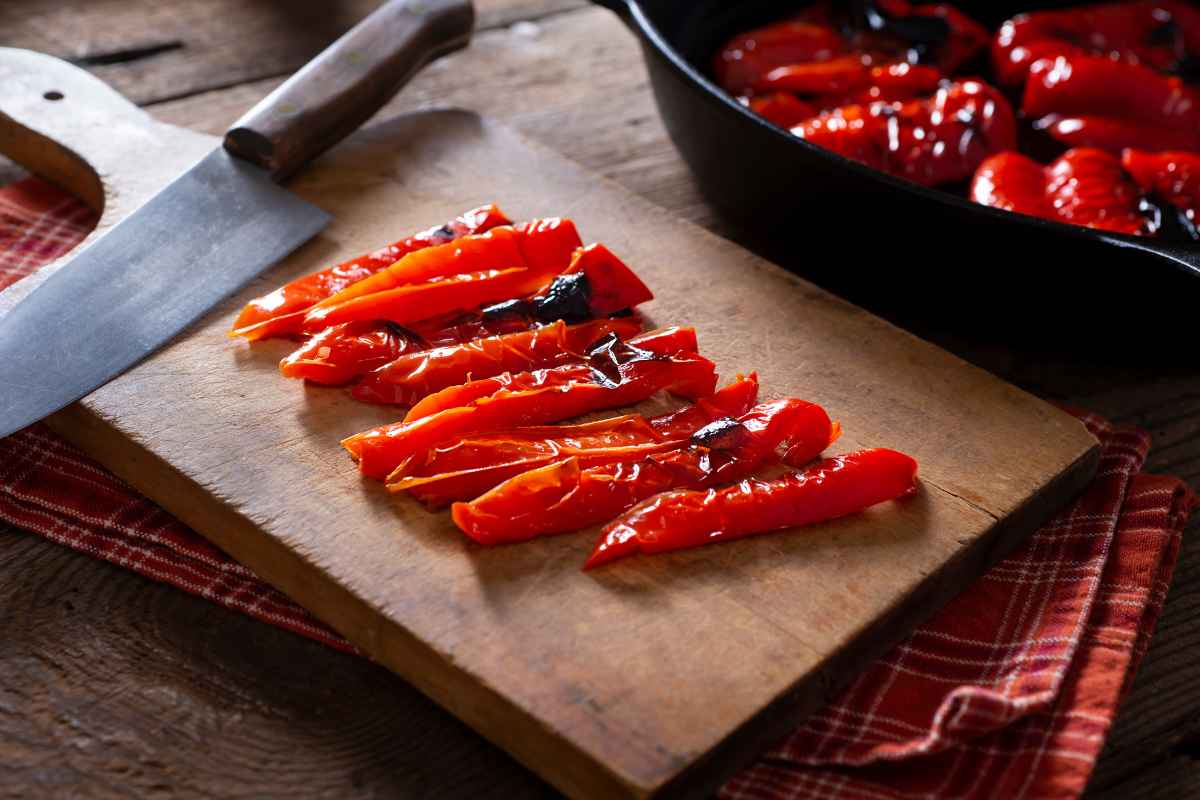
- No-Egg Version: Omit eggs and add roasted peppers or grilled zucchini for richness.
- Fresh Tuna: Sear a tuna steak rare-to-medium, cool completely, flake, then dress lightly with olive oil.
- Vegan Pan Bagnat: Use smashed chickpeas with capers, olives, and extra herbs. A few boiled green beans nod to Niçoise tradition.
- Gluten-Free: Choose a sturdy gluten-free boule; a quick toast strengthens the crust.
- Low-Waste Add-Ins: Leftover blanched green beans, roasted tomatoes, or grilled eggplant slide right in.
Seasonal Twists That Keep It Fresh
- Spring: Add tender greens (little gem, arugula) and shaved fennel for perfume.
- Summer: Lean into peak tomatoes, basil, and a splash more extra-virgin olive oil—this is your moment.
- Fall: Roast red peppers and use oil-packed sun-dried tomatoes for concentrated sweetness.
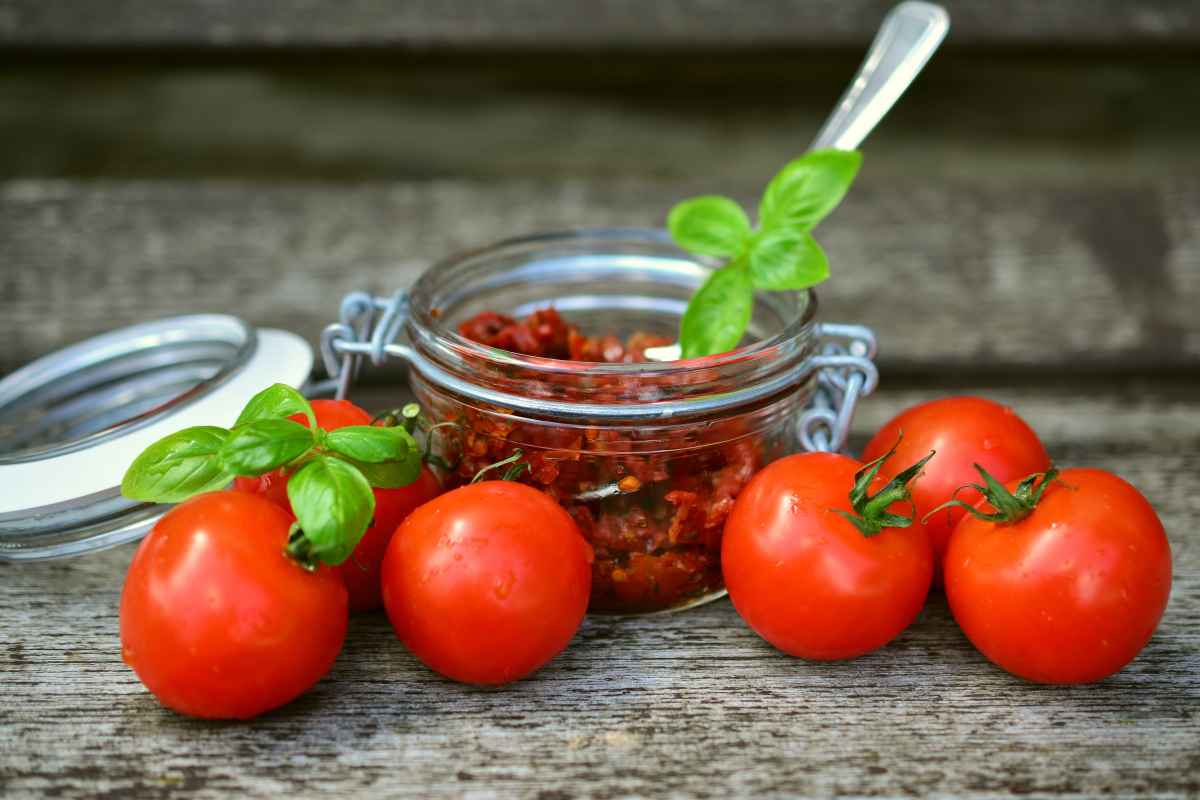
- Winter: Cherry tomatoes (better off-season), plus a few slivers of preserved lemon for brightness.
Make-Ahead, Storage & Transport
Pan Bagnat is a true make-ahead sandwich. Assemble, press, and hold chilled for up to 24 hours. The flavor deepens, while the crust softens slightly; if you love a crisper crust, press at room temp for an hour and chill briefly before traveling.
Keep it wrapped until serving; slice on site for tidier portions. For hot days, pack with an ice pack and enjoy within a few hours.
Serving Ideas & Pairings
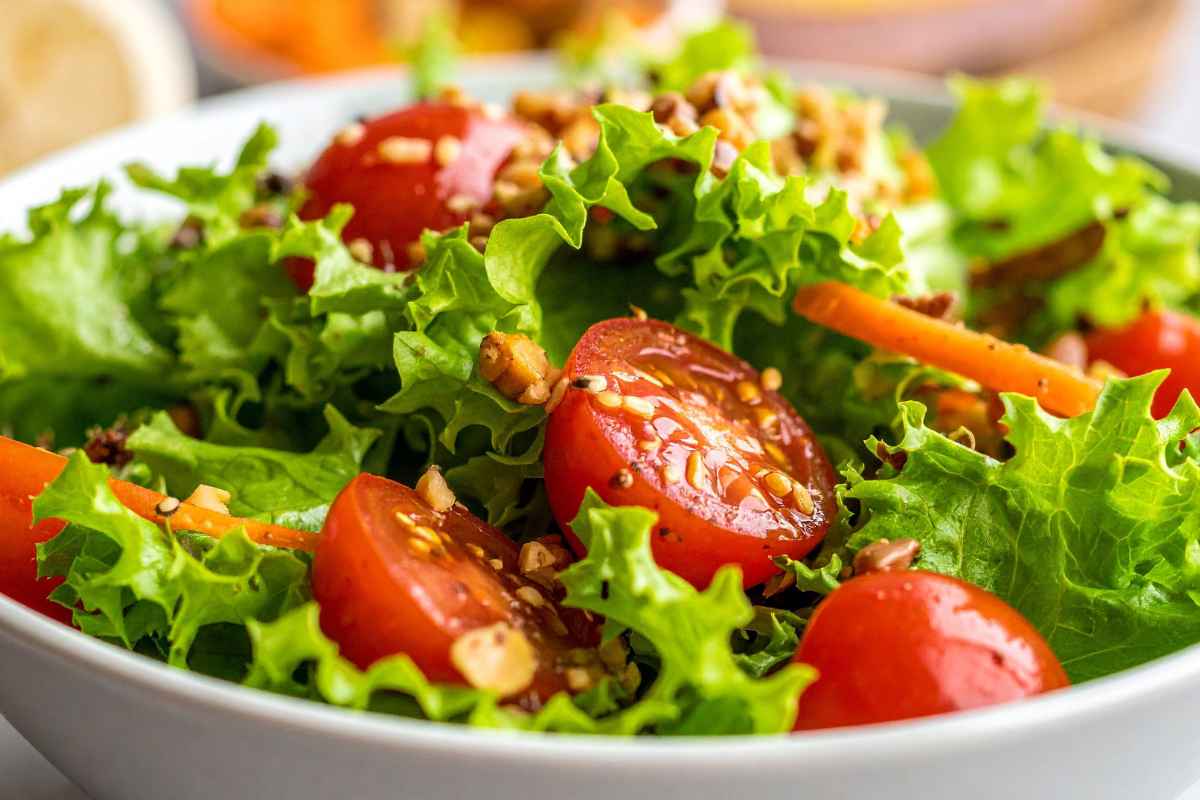
Serve wedges with a crisp green salad, kettle-style chips, or a tomato-cucumber salad. For drinks, a chilled Provençal rosé, sparkling water with lemon, or a classic homemade lemonade.
To build a Riviera-style board, add marinated artichokes, stuffed cherry peppers, and a small bowl of Niçoise olives. The briny-fresh spectrum keeps each bite lively.
Nutrition & Dietary Notes
Expect moderate protein from tuna and eggs, heart-healthy fats from extra-virgin olive oil, and satisfying carbs from the loaf. To lighten, drain tuna a bit more and use slightly less oil in the dressing; to enrich, don’t be shy with the olive oil and olives.
For sodium-sensitive eaters, rinse capers thoroughly and season tomatoes lightly rather than salting every layer.
Chef’s Tips for Success
Season tomatoes directly so their juices become part of the sauce. Keep tuna in large flakes for a satisfying bite. Don’t be timid with olive oil—this is a Riviera-style sandwich that celebrates it. Wrap firmly before pressing to encourage even compression and clean slices.
If serving later, bring to cool room temperature for 10–15 minutes so the aromas bloom.
Pan Bagnat, Perfected
In the end, authentic Pan Bagnat is about honest ingredients and a moment of patience. Press the sandwich, let the bread bathe in extra-virgin olive oil and tomato juices, and give it time to become more than the sum of its parts.
That’s why this make-ahead sandwich is a picnic hero, a road-trip stalwart, and the French tuna in olive oil classic you’ll crave year-round.
Enjoy Watching This Video with a Similar Recipe

Source: America's Test Kitchen
Did you find this post useful or inspiring? Save THIS PIN to your Cooking Board on Pinterest! 😊
Other Recipes You’ll Love 😍