
Pad Thai Perfection: The Ultimate Guide to Making the Perfect Dish

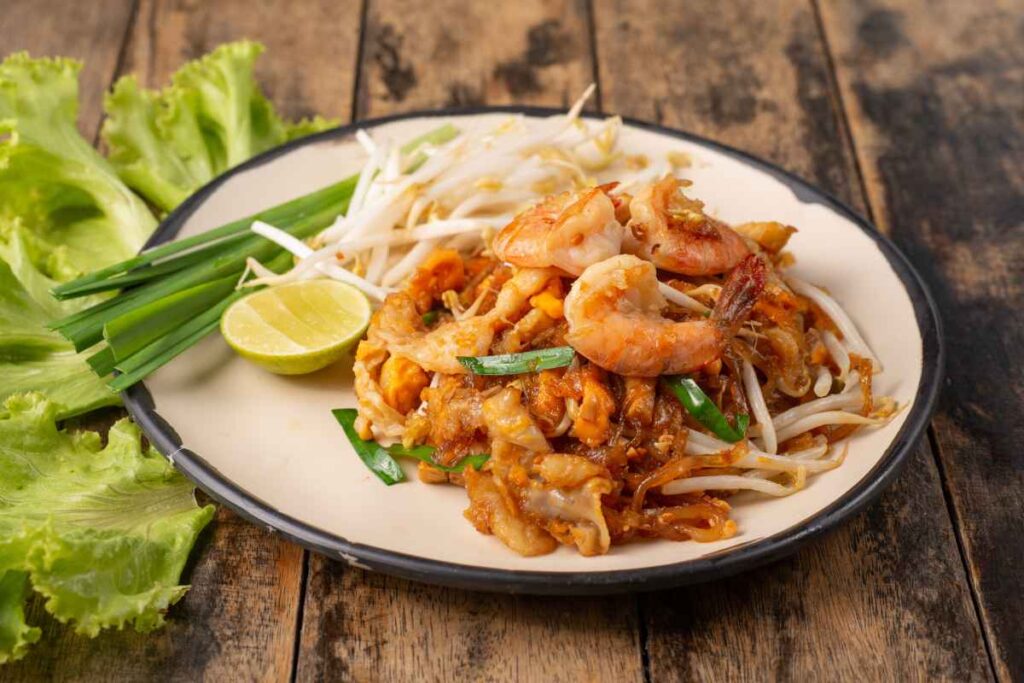
Pad Thai, often considered Thailand’s national dish, is a stir-fry dish that combines the perfect balance of sweet, salty, sour, and spicy flavors. This dish is a celebration of textures and vibrant ingredients.
Whether you're cooking it for the first time or you’re a seasoned chef, mastering Pad Thai at home can be an incredibly satisfying experience.
In this ultimate guide, we’ll break down everything you need to know to make the perfect Pad Thai every time, including tips on ingredient substitutions, healthier variations, and much more. Let’s dive in!
The Essential Ingredients for the Perfect Pad Thai
The key to a successful Pad Thai lies in the selection of ingredients. Below, we’ll detail the essential elements of this dish, including some substitutes that can cater to different dietary preferences and restrictions.
Rice Noodles
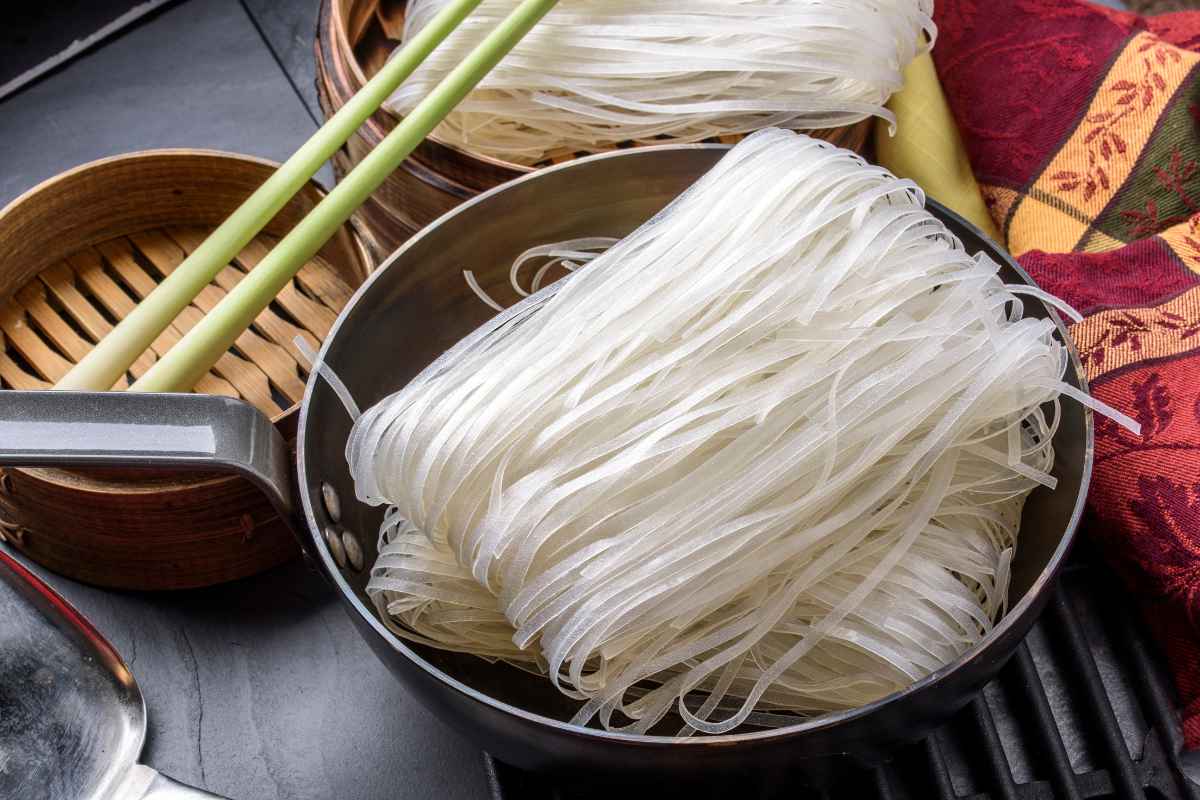
The backbone of any great Pad Thai is the rice noodle. These flat noodles are perfectly suited for stir-frying. Ideally, choose wide, flat noodles that are slightly thicker, as they hold up better during cooking.
If you're aiming for a gluten-free Pad Thai, rice noodles are already the perfect option. If you’re looking for a lower-carb version, you can substitute rice noodles with zucchini noodles or soba noodles.
Proteins
Pad Thai is incredibly versatile when it comes to the protein. The most common options are shrimp, chicken, or tofu. If you want a vegetarian or vegan Pad Thai, tofu is a fantastic option.
Be sure to press the tofu to release any excess moisture before cooking to achieve a crispy texture. You can also try tempeh for a nuttier taste and firmer texture.
0For seafood lovers, shrimp is a classic choice. For those who prefer chicken Pad Thai, it’s best to use boneless, skinless chicken breasts or thighs for tenderness.
Tamarind Paste
Tamarind paste is a vital component in achieving the signature tang of Pad Thai. This paste brings a sweet and sour flavor that no other ingredient can replicate.
If tamarind paste is hard to find, you can substitute it with a combination of lime juice and apple cider vinegar, but it won’t have quite the same depth of flavor. Alternatively, lime juice and brown sugar can be mixed to give a comparable flavor profile.
Fish Sauce
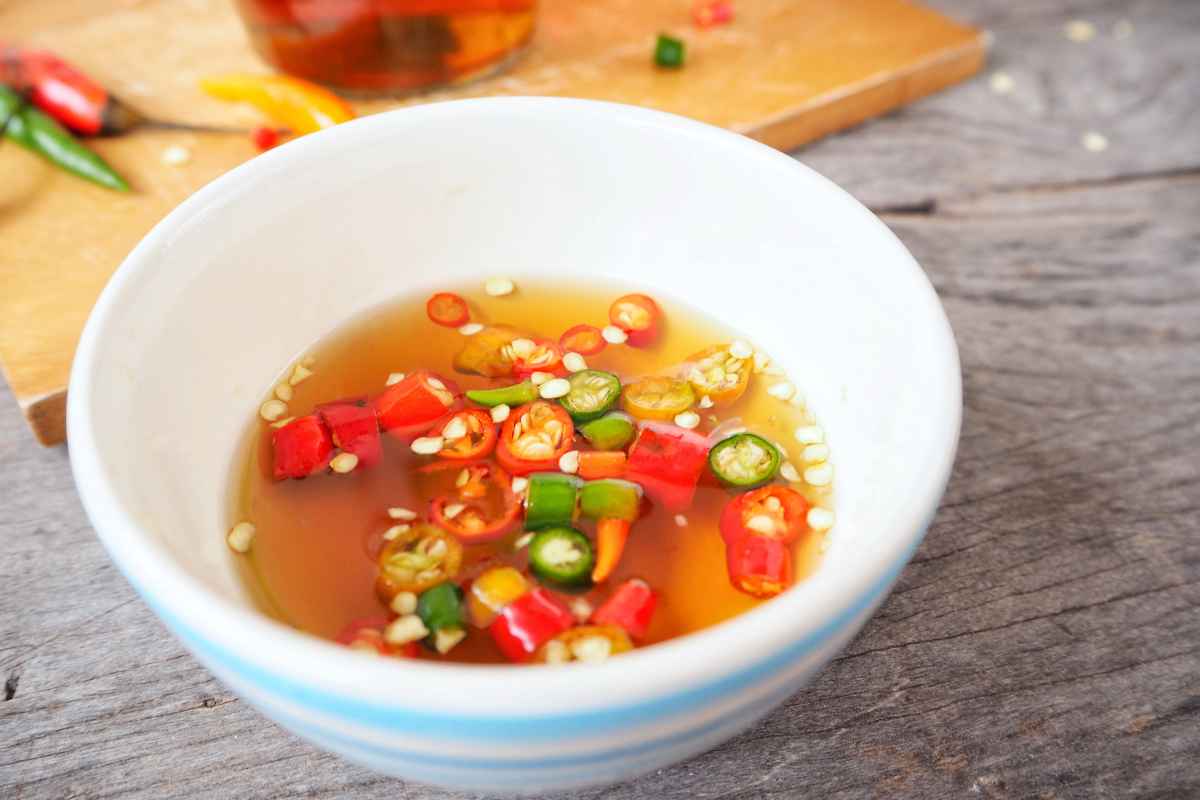
Fish sauce is essential for that deep, savory umami flavor that Pad Thai is known for.
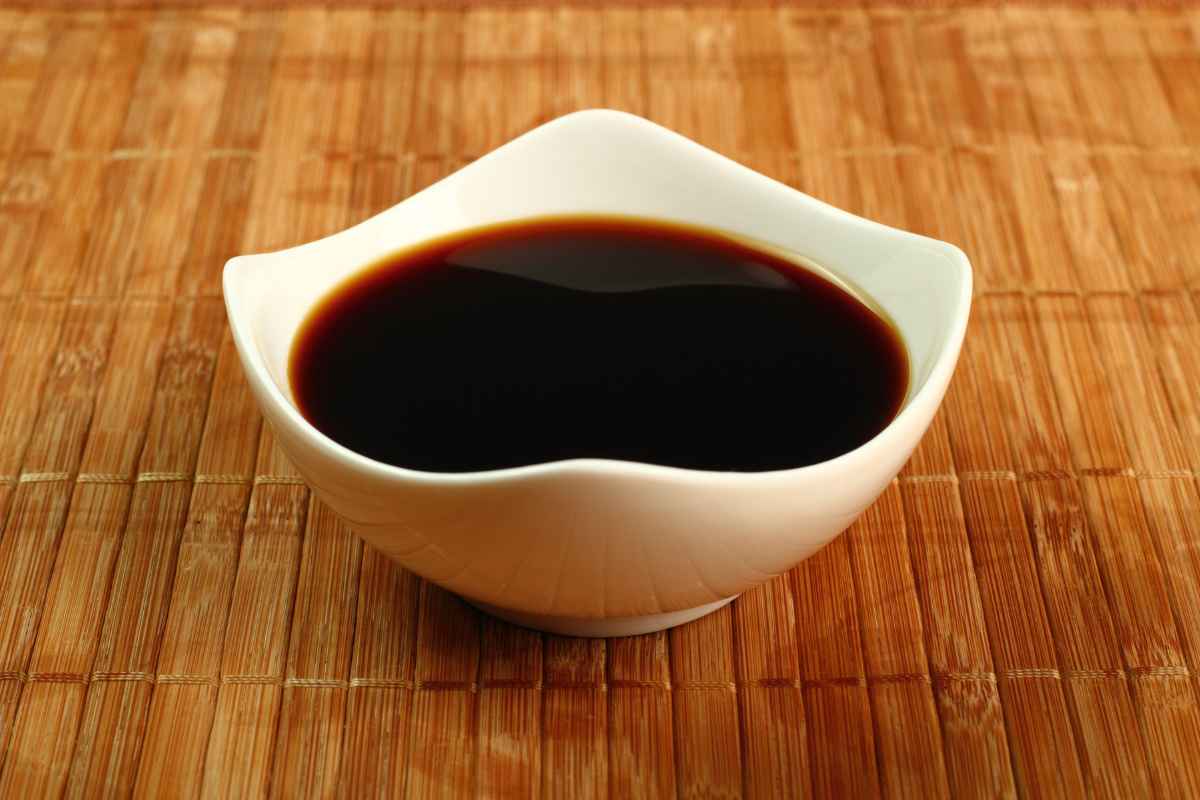
However, if you’re making a vegetarian or vegan version, soy sauce or mushroom soy sauce can be used as an alternative. These options provide a similar salty flavor without the fish.
Palm Sugar
Palm sugar provides the subtle sweetness needed to balance the salty, sour, and spicy elements of Pad Thai. It’s worth seeking out palm sugar because it offers a unique flavor, but if it’s unavailable, brown sugar can be used as a substitute.
Keep in mind, the sweetness will be slightly different.
Crushed Peanuts
Crushed peanuts are a traditional garnish that adds crunch and flavor to the dish. If you have a nut allergy or want to change things up, you can substitute with sesame seeds, sunflower seeds, or even crispy chickpeas for texture and crunch.
Lime
No Pad Thai is complete without a squeeze of fresh lime juice. The acidity brightens up the dish and cuts through the richness of the noodles and protein. You can also garnish the plate with lime wedges for added freshness.

How to Make It: Step-by-Step
Making Pad Thai is all about balancing the right ingredients at the right time. Follow these easy steps to create an authentic Pad Thai at home:
Step 1: Prepare the Rice Noodles
Start by soaking your rice noodles in warm water for about 30 minutes, or until they are softened but still firm. You can also use fresh noodles if available, but if using dried noodles, ensure they don't become too mushy.
Once softened, drain them and set them aside. If you’re using zucchini noodles, spiralize the zucchini and set it aside.
Step 2: Prepare the Pad Thai Sauce
The Pad Thai sauce is the heart of the dish. In a small bowl, combine tamarind paste, fish sauce, palm sugar, and a small amount of water to create a smooth sauce. Stir until the sugar has dissolved.
Taste it and adjust the flavors. You might want to add more sugar for sweetness, fish sauce for saltiness, or lime juice for added tang. The goal is a harmonious balance of sweet, salty, sour, and spicy.
Step 3: Cook the Protein
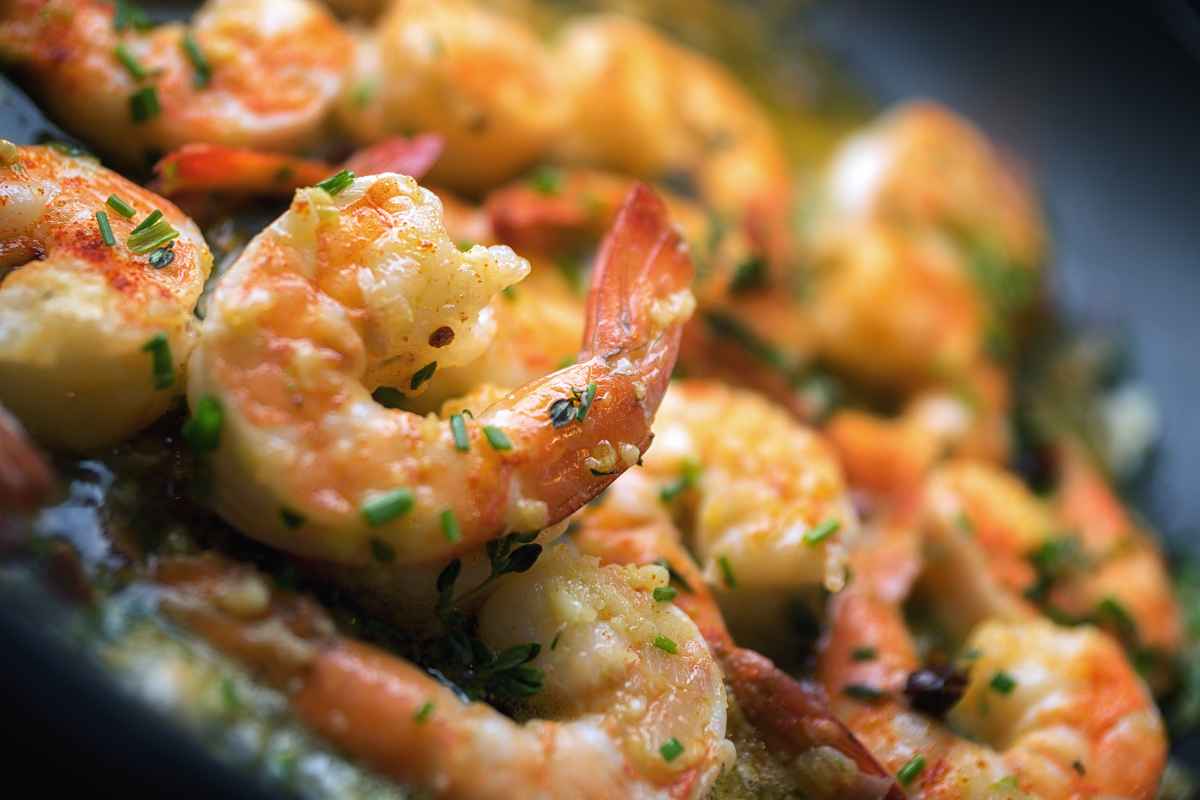
Heat a little oil in a large wok or frying pan over medium-high heat. Add your chosen protein (shrimp, chicken, or tofu) and cook until golden brown and fully cooked.
For tofu, press it before cooking to ensure it crisps up nicely. Once cooked, set the protein aside and proceed with the rest of the cooking.
Step 4: Stir-Fry the Vegetables
In the same pan, add garlic, shallots, and bean sprouts. Stir-fry them for about 2 minutes, or until fragrant and slightly softened. If you want more vegetables in your Pad Thai, you can add bell peppers, carrots, or snap peas for extra crunch and nutrients.
Step 5: Combine the Noodles and Sauce
Add the soaked rice noodles into the pan and pour the Pad Thai sauce over them. Toss everything together to ensure that the noodles are evenly coated with the sauce. Stir-fry for 3-4 minutes, ensuring the noodles are heated through and well-coated with the flavorful sauce.
Step 6: Add the Egg
Once the noodles are well-mixed with the sauce, push them to one side of the pan. Crack an egg into the empty side and scramble it until fully cooked. Once scrambled, mix it in with the noodles. This step is essential for adding richness to the dish.
Step 7: Garnish and Serve
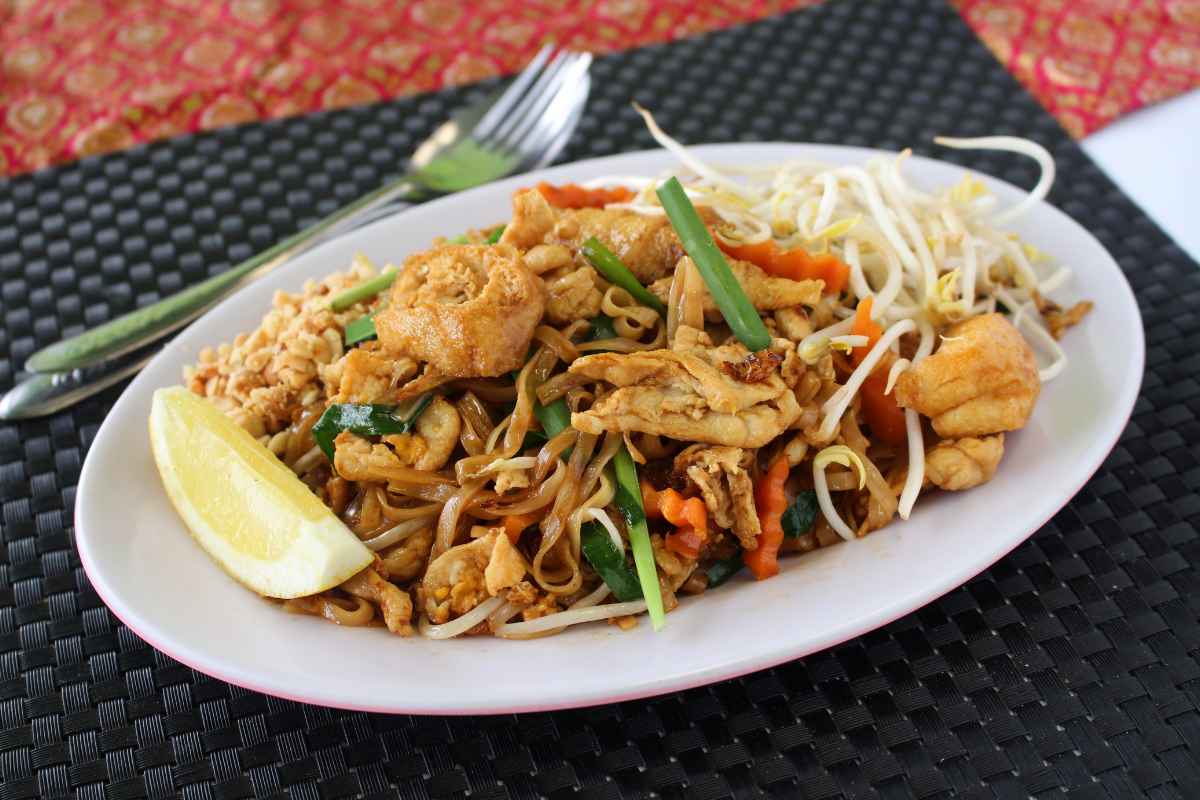
To finish, add crushed peanuts, fresh cilantro, and a squeeze of lime juice. Serve your Pad Thai hot, topped with a few more peanuts and fresh lime wedges for extra flavor.
Tips for Perfect Pad Thai Every Time
Wok vs. Pan
While a wok is traditionally used for Pad Thai, you can also use a large skillet if you don’t have one. A wok allows for better heat distribution, making it ideal for stir-frying. If using a pan, just be sure to keep stirring to avoid burning.
Control the Spice Level
If you enjoy spice, feel free to add fresh bird’s eye chilies or chili flakes to the dish. Adjust the heat to suit your taste, starting with a small amount and adding more as needed.
Don’t Overcook the Noodles
Pad Thai noodles should retain a slight bite. Avoid over-soaking them. They should be tender but al dente when you stir-fry them.
Healthier Options
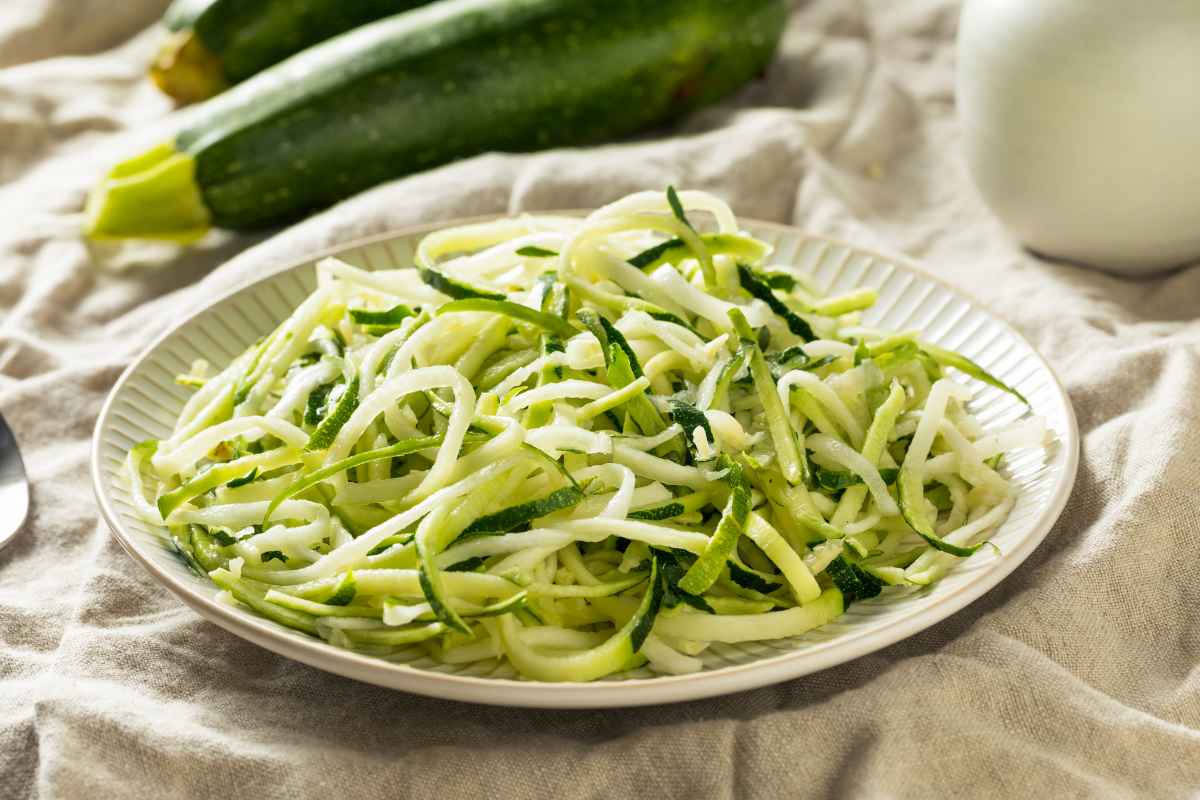
If you want to make your Pad Thai healthier, consider using zucchini noodles or soba noodles for a lower-carb alternative. You can also increase the vegetable content by adding more veggies, like broccoli, carrots, or snap peas.
How to Store and Reheat Leftover Pad Thai
Pad Thai is best enjoyed fresh, but if you have leftovers, here’s how to store and reheat it:
Storing
Store your Pad Thai in an airtight container in the fridge for up to 2 days. To keep the noodles from absorbing too much of the sauce, consider storing the sauce separately.
Reheating
To reheat, add a little water or extra sauce to the noodles and heat them in a pan over low heat. Stir constantly to prevent the noodles from sticking. If you’re reheating in the microwave, cover the dish with a damp paper towel to retain moisture.
Healthier Variations of Pad Thai
For those looking for a healthier version of this delicious dish, here are some tips to reduce the calorie count while maintaining flavor:
- Lower the sodium: Use low-sodium soy sauce or coconut aminos instead of traditional soy or fish sauce.
- Vegetable alternatives: Use spiralized zucchini instead of rice noodles for a low-carb Pad Thai.
- Extra veggies: Add more vegetables like spinach, snow peas, or carrots to make the dish more nutrient-dense.
Pad Thai Perfection at Home
Pad Thai is an incredibly versatile dish that you can easily tailor to your tastes and dietary needs. Whether you're sticking with traditional ingredients or experimenting with healthier options, this dish is always a hit.
By following the tips in this guide, you’ll master the art of making Pad Thai and enjoy this flavorful dish anytime you desire. Remember, Pad Thai is all about balance, so don’t be afraid to tweak the flavors to suit your preferences.
Enjoy Watching This Video with a Similar Recipe

Souce: Gochujang Mamá
Did you find this post useful or inspiring? Save THIS PIN to your Cooking Board on Pinterest! 😊
Other Recipes You’ll Love 😍