
Korean Cuisine Delight: How to Make Delicious Dubu Jorim at Home

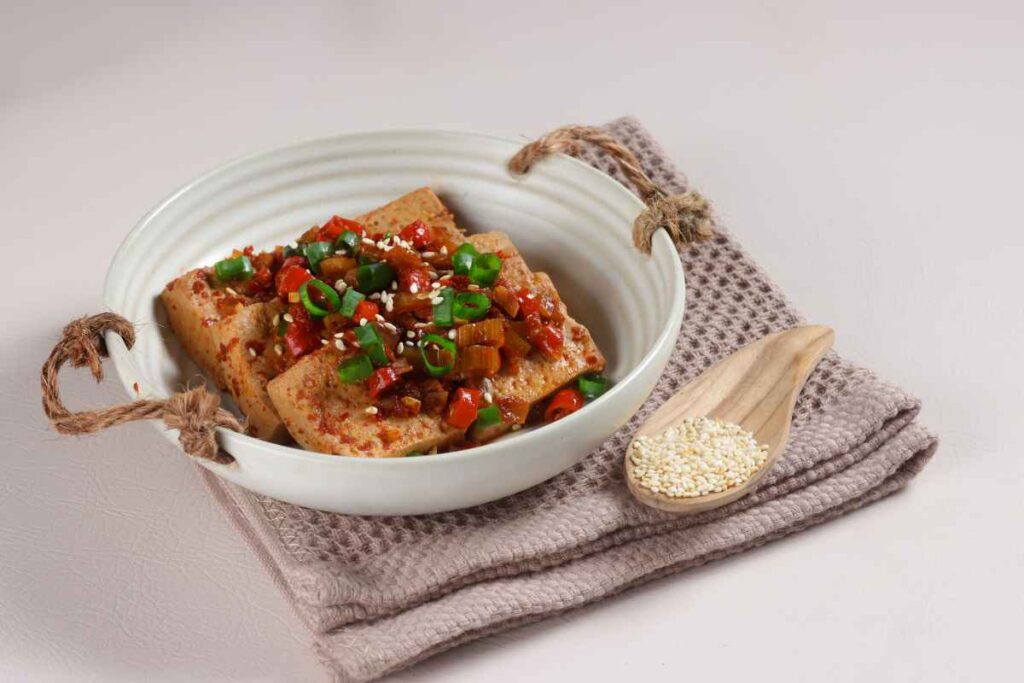
If you’re craving a fast, satisfying dish that’s light yet bold, dubu jorim—aka Korean braised tofu—belongs in your weeknight rotation.
The magic is simple: press tofu for better texture, sear until the edges turn golden, then simmer in a soy-sesame glaze kissed with gochugaru for gentle heat and gorgeous color. Serve it hot, room temp, or chilled as a classic banchan; it tastes even better the next day.
Why This Version Works
This rewrite leans into the techniques and flavors that make Korean braised tofu memorable while keeping everything easy and weeknight-friendly.
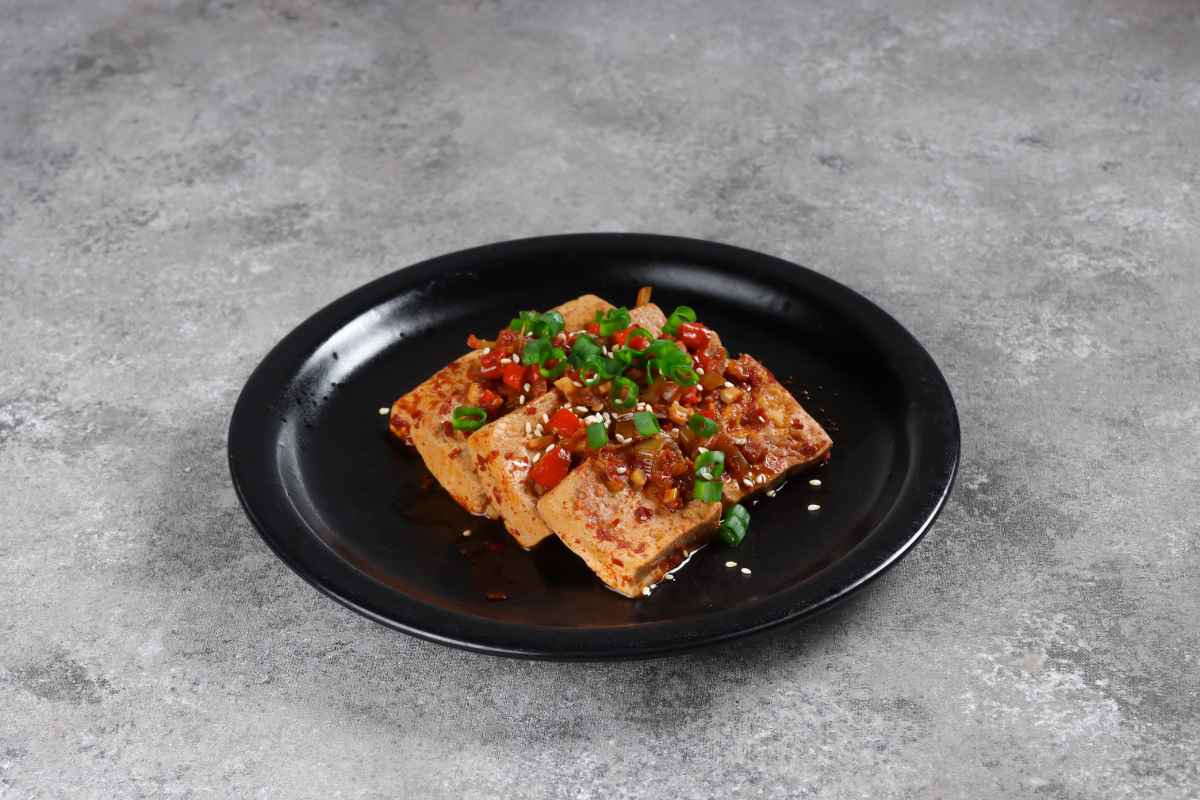
Pressing and drying the tofu delivers a delicate crisp you can feel, and a short braise lets the slices drink up a garlicky soy-sesame sauce without turning soggy. The result is plant-based protein that’s punchy, glossy, and effortless.
Ingredients
- 400–450 g (14–16 oz) firm or extra-firm tofu, pressed 15–20 minutes
- 1½ tbsp neutral oil (avocado, canola, or sunflower)
For the soy-sesame glaze
- 30 ml (2 tbsp) soy sauce, or tamari for gluten-free
- 60 ml (4 tbsp) water (plus 1–2 tbsp more if needed)
- 2–3 tsp brown sugar or 2 tsp honey (adjust to taste)
- 2 cloves garlic, finely grated

- ½–1 tbsp gochugaru (Korean chili flakes), to taste
- 1 tsp rice vinegar or 1 tsp mirin for balance
- 1 tsp sesame oil (added off the heat)
To finish
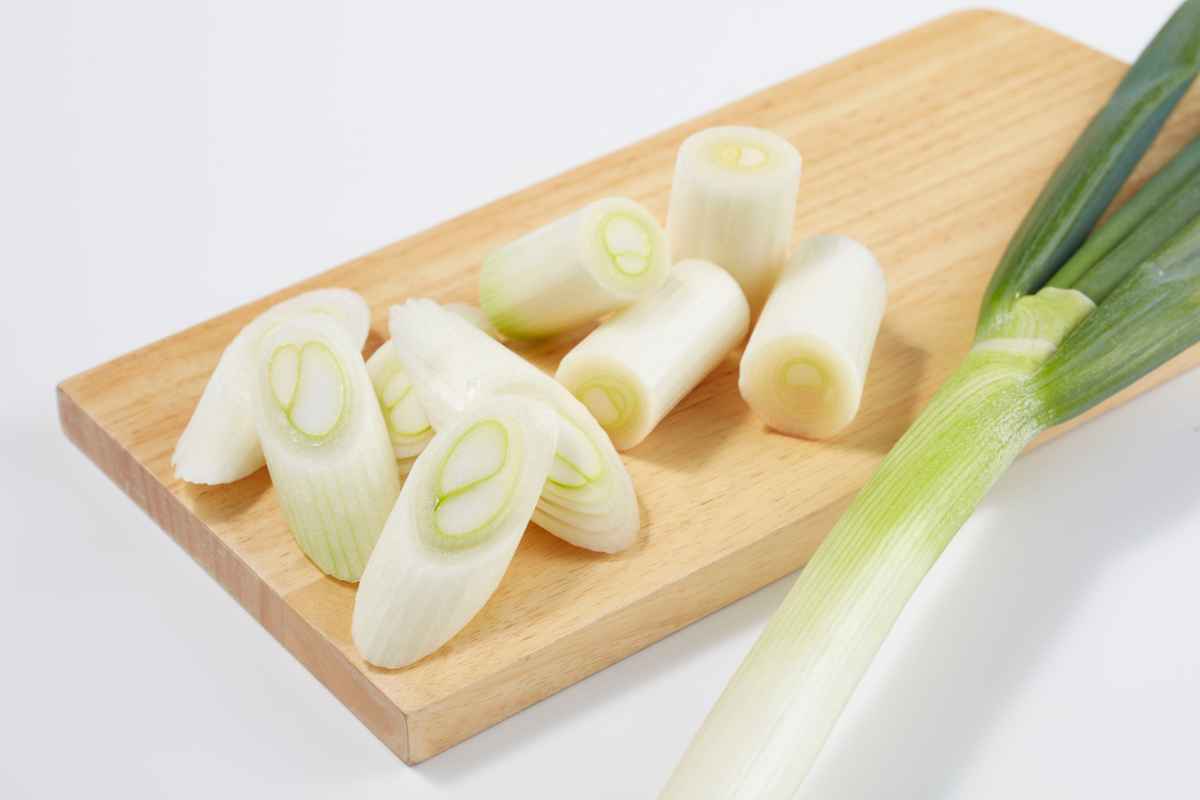
- 2 scallions, thinly sliced
- 1 tsp toasted sesame seeds
- Optional: ¼ small onion, thinly sliced; a few cilantro leaves for freshness
Tip: If you prefer a deeper, sweeter heat, whisk in 1–2 tsp gochujang to the glaze.
Prep the Tofu for Crisp, Custardy Bites
- Press and dry. Drain the tofu, wrap in a clean towel, and press for 15–20 minutes with a light weight. Unwrap and pat dry thoroughly—this step is key to a crisp sear.
- Slice. Cut into 1 cm (⅜-inch) slices, then halve each slice if you like smaller rectangles.
Sear First, Braise Second
- Heat and sear. Warm a nonstick or well-seasoned skillet over medium-high heat. Add oil. Lay in tofu pieces without crowding; sear 2–3 minutes per side until lightly golden and crisp at the edges. Transfer to a plate.
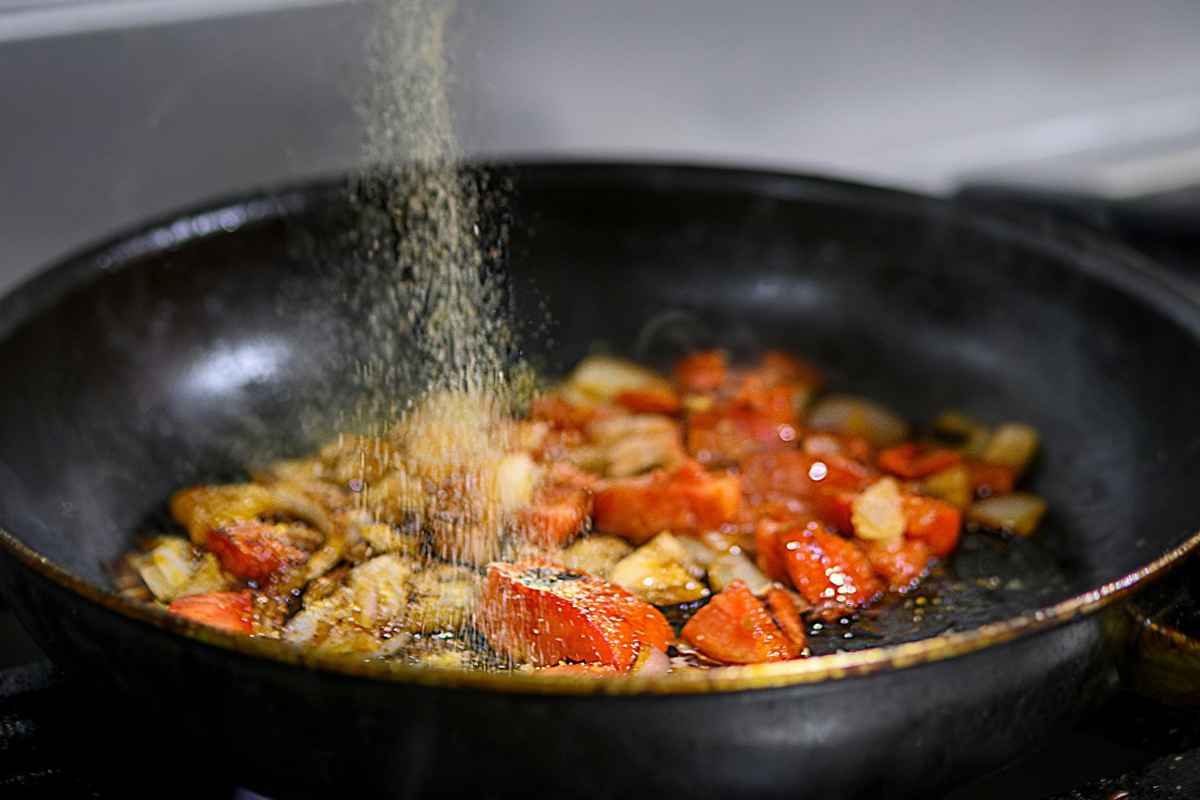
- Build the glaze. Lower heat to medium. If using onion, add it with a splash of oil and cook 1 minute. Whisk together soy sauce, water, sugar, garlic, gochugaru, and vinegar/mirin; pour into the pan and bring to a lively simmer.
- Braise briefly. Return tofu to the pan in a single layer. Spoon sauce over the top and simmer 5–8 minutes at medium-low, turning once, until the tofu is coated and the sauce thickens to a glossy glaze. If the pan looks dry, add 1–2 tbsp water.
- Finish. Cut the heat. Stir in sesame oil. Sprinkle with scallions and sesame seeds.
Flavor Notes & Adjustments
- Heat level: For a mild version, use ½ tbsp gochugaru or swap in a pinch of sweet paprika for color plus a few red-pepper flakes for warmth.
- Salty-sweet balance: Start with 2–3 tsp sugar; add a final pinch only if needed. The goal is a savory glaze with a gentle shine, not a sugary sauce.
- Extra aromatics: Finely grated garlic disperses better than minced and clings to the tofu. A few drops of sesame oil at the end boost aroma without greasiness.

How to Serve It
Dubu jorim is wonderfully flexible. Serve as banchan with steamed rice, kimchi, and quick-pickled cucumbers; tuck slices into a grain bowl with spinach and roasted carrots; or pair with miso soup and sautéed greens for a light dinner.
The flavor deepens after a night in the fridge, making it perfect for meal prep.
Variations You’ll Love
- Gochujang glaze: Whisk 1–2 tsp gochujang into the sauce for a deeper, slightly sweet heat and a thicker glaze.
- Vegetable boost: Add matchstick carrots or sliced shiitakes during the brief braise for extra texture.
- No-soy option: Try coconut aminos; reduce the sugar.
- Gluten-free: Use tamari and double-check your gochugaru label.

Make-Ahead, Storage, and Reheating
- Fridge: Store in an airtight container for 3–4 days. It’s fantastic cold or at room temperature.
- Reheat: Warm gently over low heat with a splash of water to loosen the glaze, or microwave in short bursts.
- Meal-prep tip: Cook a double batch; enjoy half warm on day one and keep the rest for lunch bowls and wraps.
Troubleshooting & Pro Tips
- Tofu sticking? Make sure the pan is truly hot before adding tofu, and don’t move it too soon; it will release when properly seared.
- Soggy texture? Press longer and dry more thoroughly. Moisture is the enemy of crisp edges.
- Sauce too salty? Add a tablespoon of water and a small pinch of sugar, then simmer 30 seconds.

- Oil splatter worries? Pat the tofu very dry and place pieces into hot oil using tongs, laying them away from you.
Nutritional Snapshot Per Serving
Approx. 170–220 kcal; 12–16 g protein; 10–14 g fat; 6–9 g carbs. Actual values vary with tofu type, sugar choice, and oil use.
Smart Pairings and Menu Ideas
- Classic Korean table: Dubu jorim, kimchi, sesame spinach (sigeumchi namul), and steamed rice.
- Quick lunch bowl: Brown rice, roasted broccoli, cucumber ribbons, and a drizzle of the leftover soy-sesame glaze.
- Light dinner for two: Miso soup, citrus-soy dressed greens, and Korean braised tofu over warm rice.
Cook’s Notes for Best Results
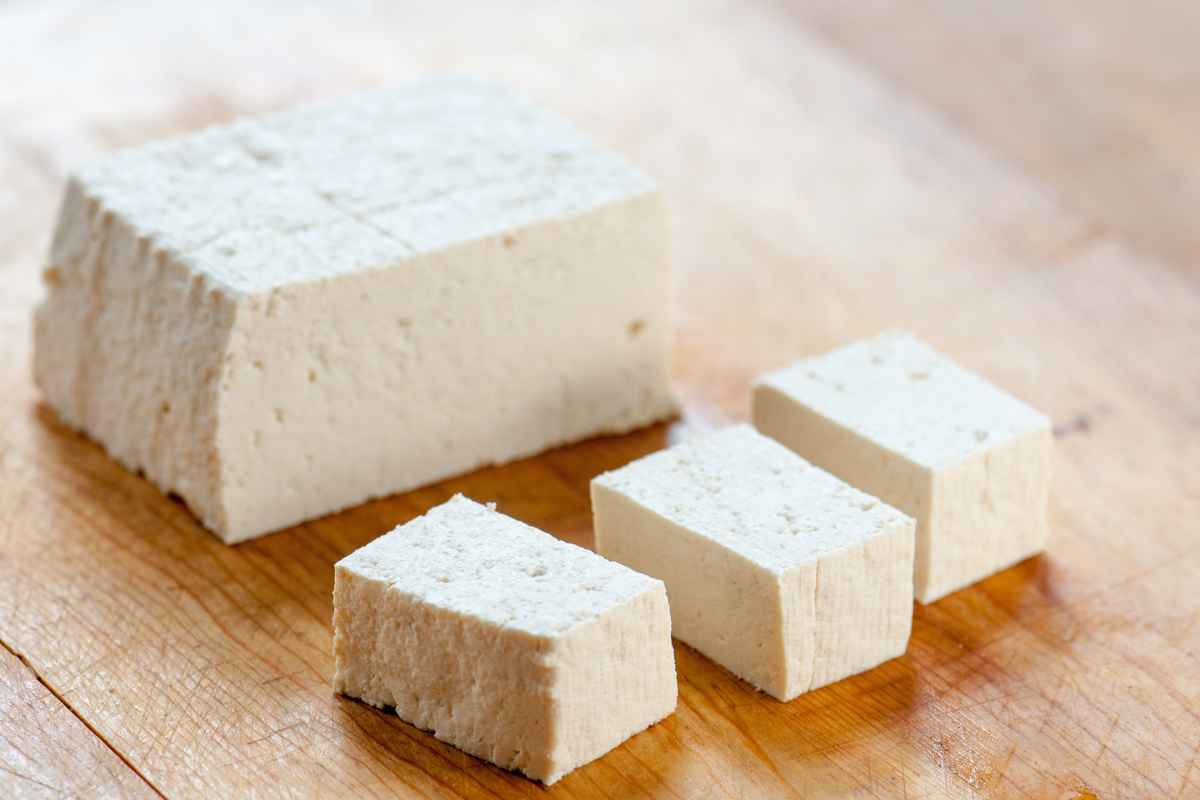
- Use firm or extra-firm tofu. Silken will break during the sear.
- Nonstick or well-seasoned skillet keeps the process stress-free.
- Don’t over-reduce. You want a glossy glaze that clings, not a sticky syrup. Pull it when it coats the tofu and lightly lacquers the pan.
- Finish with fragrance. Adding sesame oil off heat keeps the aroma bright and nutty.
A Friendly Nudge to Make It Tonight
With a handful of pantry staples and one block of tofu, you can put a plate of dubu jorim on the table in about 20 minutes.
It’s easy, budget-friendly, and packed with plant-based protein—a small pan of comfort that works for busy nights, make-ahead lunches, or a vibrant banchan spread. One try and you’ll see why Korean braised tofu becomes a repeat-request dish.
Enjoy Watching This Video with a Similar Recipe

Source: Maangchi
Did you find this post useful or inspiring? Save THIS PIN to your Cooking Board on Pinterest! 😊

Other Recipes You’ll Love 😍