
Exploring the World of Kimchi: A Traditional Korean Dish

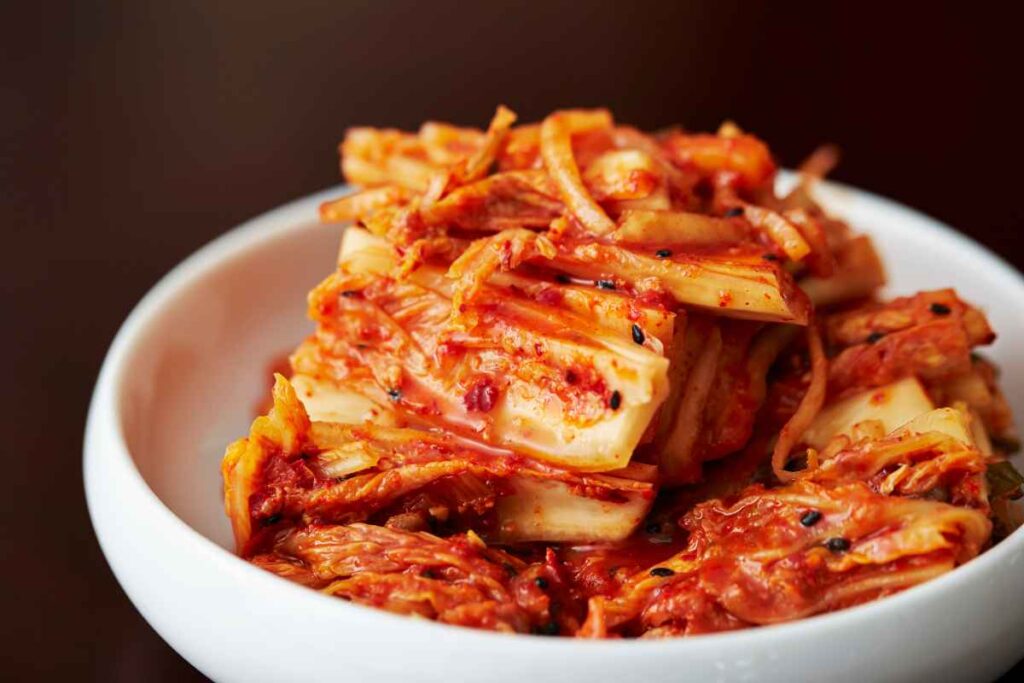
Spicy, crunchy, and packed with probiotics, homemade kimchi is much more than a side dish—it’s a culinary tradition that tells the story of Korea’s culture, history, and flavors.
This guide explores what makes kimchi special, how to prepare it safely, and the many delicious ways you can enjoy it.
What Exactly Is Kimchi?
Kimchi is a traditional Korean fermented vegetable dish, most often made with napa cabbage, radish, or cucumber. It’s seasoned with chili flakes, garlic, ginger, scallions, and often salted seafood like fish sauce or shrimp paste.
Beyond taste, kimchi embodies community and heritage: the annual practice of kimjang—families gathering to make kimchi for winter—was recognized by UNESCO in 2013 as an intangible cultural treasure.
Key Ingredients That Define This Dish
Gochugaru: The Signature Chili
The distinct red color and gentle heat of kimchi come from gochugaru—Korean chili flakes that are fruity, smoky, and slightly sweet. Unlike standard chili powder, gochugaru has a coarse texture and no seeds, which balances spiciness with depth of flavor.
Garlic, Ginger, and Scallions
These aromatics are non-negotiable. They add warmth, zest, and complexity to the ferment.
Fish Sauce (and Vegan Alternatives)
Traditional recipes often include fish sauce or salted shrimp for umami depth. For a vegan kimchi, you can substitute with soy sauce, miso paste, or vegan “fish” sauce, achieving similar richness without seafood.
Salt: The Fermentation Catalyst
Salt doesn’t just season—it preserves and controls fermentation. Aim for around 2.5–3% salinity in your final mixture for safe and balanced fermenting. Use coarse, non-iodized salt for best results.
How to Make It Safely and Deliciously
Salting the Vegetables
You can use a dry salting method (rubbing salt directly onto cabbage leaves) or a brine soak. Both draw out moisture, ensuring crisp texture and preventing spoilage.
Preparing the Paste
Blend gochugaru with garlic, ginger, scallions, and fish sauce (or vegan alternative). Some recipes also include a rice flour porridge, which helps feed the fermentation and create a thicker paste that clings to the cabbage.
Fermentation: Time and Temperature Matter
Fermentation is where the magic happens. Store your kimchi in a clean glass jar, leaving some space at the top. Loosely seal or use a jar with an airlock to let gases escape.
- At 18–24°C (65–75°F), your kimchi may ferment in 2–5 days.
- Taste daily: once it reaches your desired tanginess, transfer to the refrigerator to slow fermentation.
- Keep vegetables submerged in brine to avoid mold.
Storage and Shelf Life
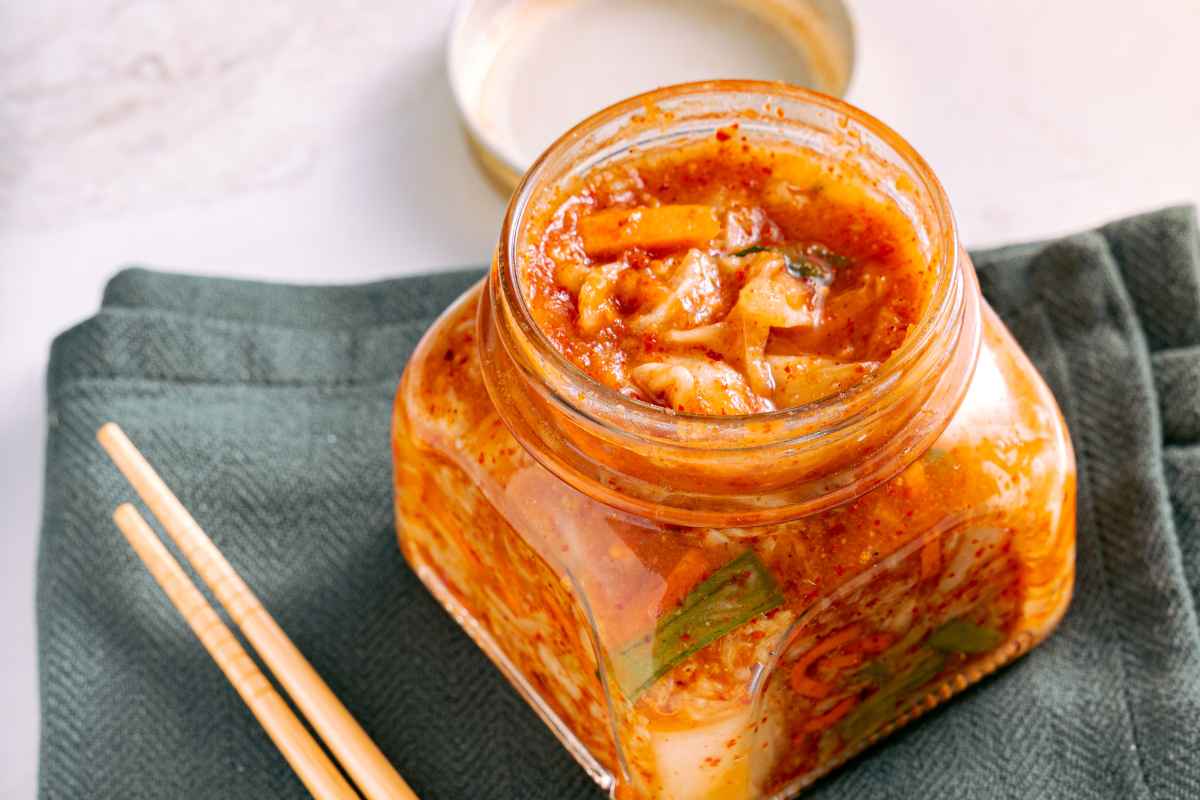
Properly refrigerated, kimchi lasts for weeks, even months. Over time, flavors intensify—fresh kimchi is crisp and lightly sour, while older kimchi develops bold tang and deeper umami.
Variations You’ll Love
- Baechu Kimchi: The classic napa cabbage version.
- Kkakdugi: Cubed radish kimchi, crunchy and refreshing.
- Oi Sobagi: Cucumber-stuffed kimchi, perfect for summer.
- White Kimchi (Baek Kimchi): Mild, non-spicy, for those who prefer gentle flavors.
Health Benefits of Kimchi
Kimchi is often celebrated for its probiotic content, thanks to Lactobacillus and other beneficial bacteria that develop during fermentation.
Studies suggest potential benefits for digestion, immunity, and gut health. However, keep in mind: research is still ongoing, and the effects vary.
Nutritionally, kimchi is low in calories, rich in vitamins A, C, and K, and contains antioxidants. One thing to watch out for is sodium content—while salt is essential for safe fermentation, it’s good to enjoy kimchi in balance with your overall diet.
Serving and Pairing Ideas
Kimchi is as versatile as it is flavorful. Try it with:
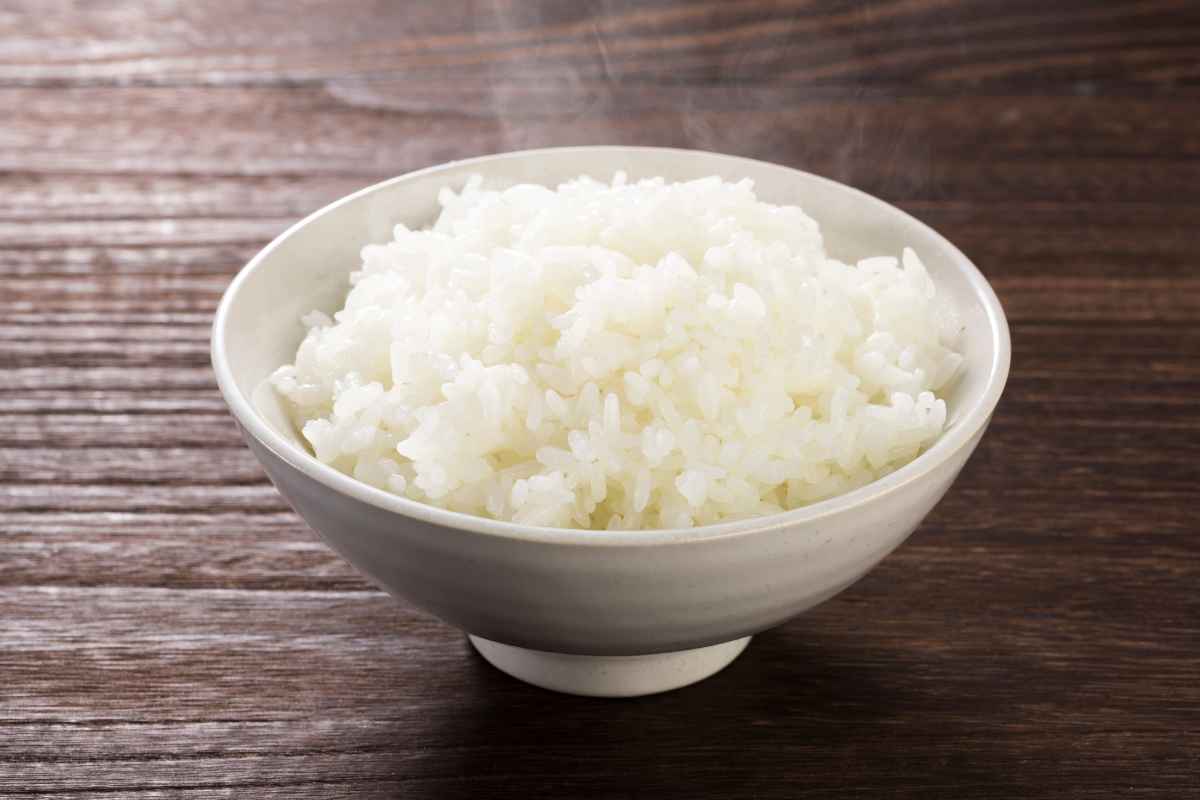
- Steamed rice and grilled meats.
- Stir-fried into fried rice or noodles.
- Added to pancakes (kimchi jeon) for a crispy, savory twist.
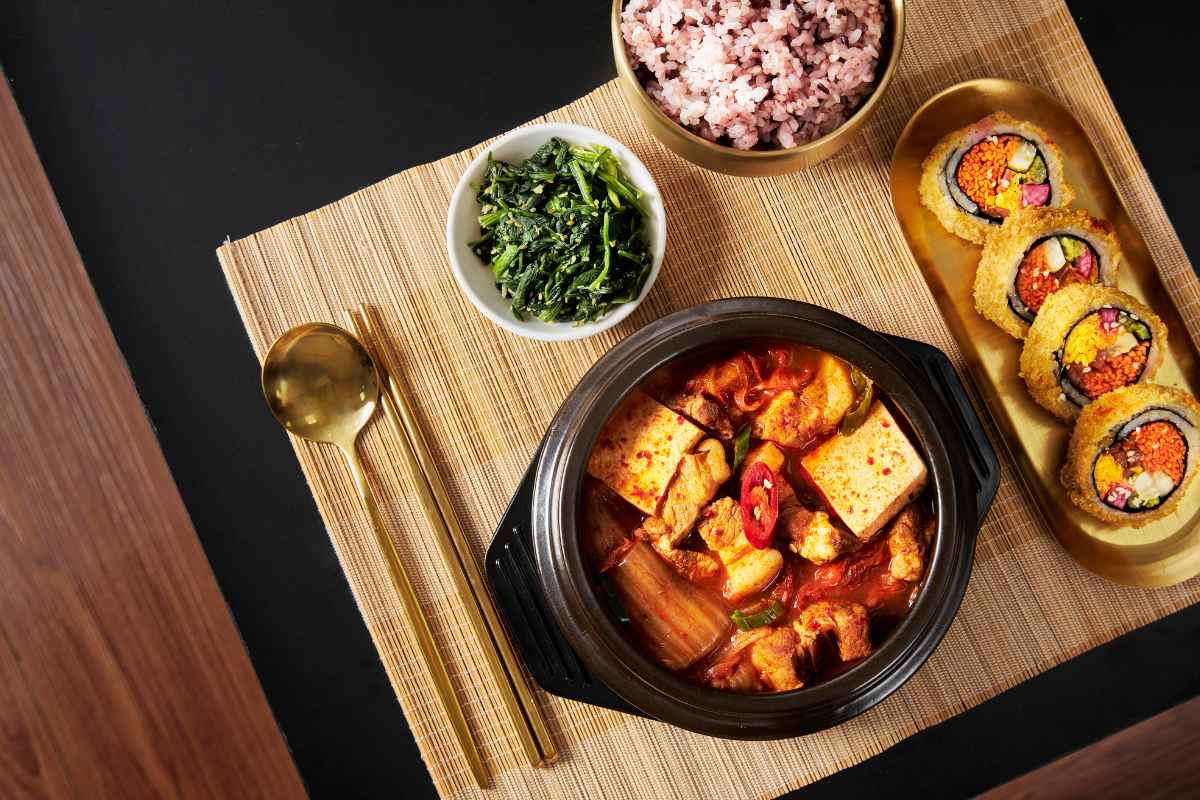
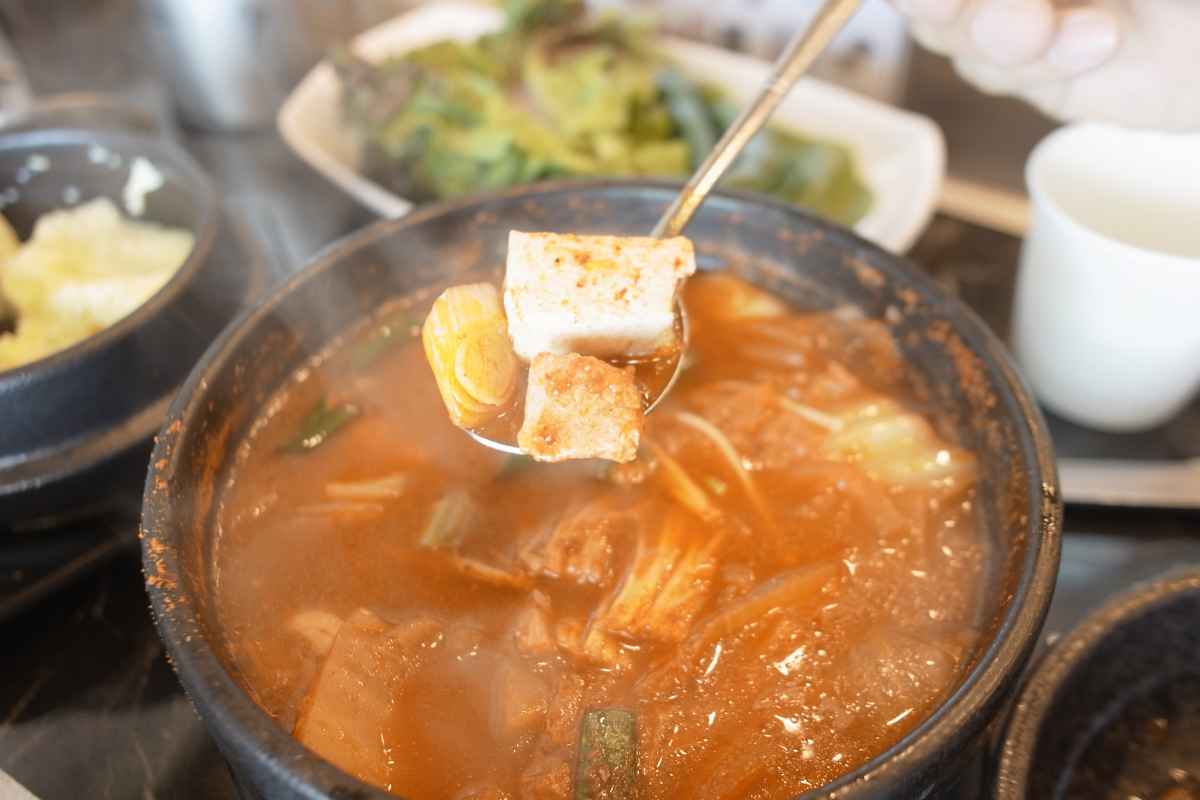
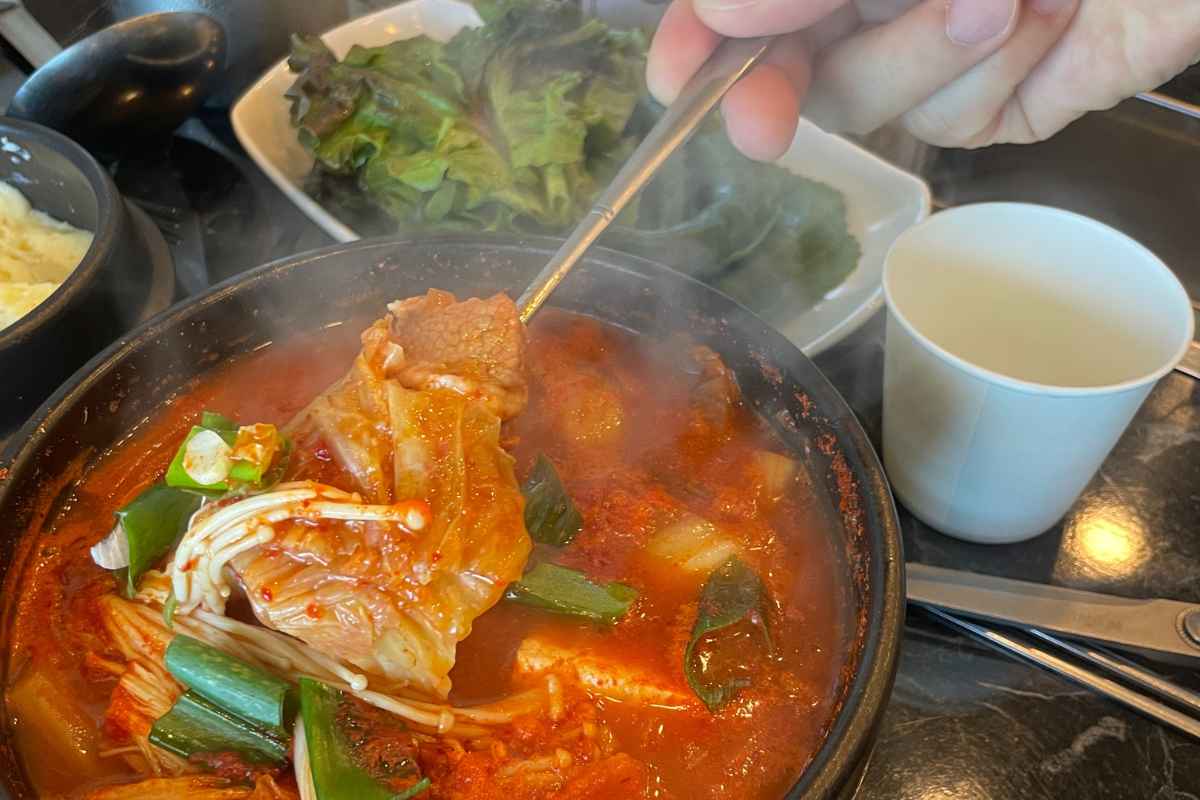
- Blended into stews for depth and spice.
For those new to kimchi, start small—its bold flavor can be surprising but quickly becomes addictive.
Troubleshooting Common Issues
- Too salty? Rinse vegetables more thoroughly before mixing with paste.
- No tang? Let it ferment longer at room temperature before refrigerating.
- Mold on top? Discard any pieces exposed to air and ensure veggies stay submerged.
Bringing It All Together
Making authentic kimchi at home is both rewarding and deeply flavorful.
By respecting fermentation basics, adjusting spice levels, and exploring different vegetable options, you’ll create a dish that not only complements countless meals but also connects you to centuries of Korean culinary tradition.
Whether you prefer it fresh and crisp or bold and tangy, kimchi is a living food that evolves with every batch.
Enjoy Watching This Video with a Similar Recipe

Source: Joshua Weissman
Did you find this post useful or inspiring? Save THIS PIN to your Cooking Board on Pinterest! 😊

Other Recipes You’ll Love 😍