
Experience Korean Cuisine with This Mouthwatering Bulgogi!

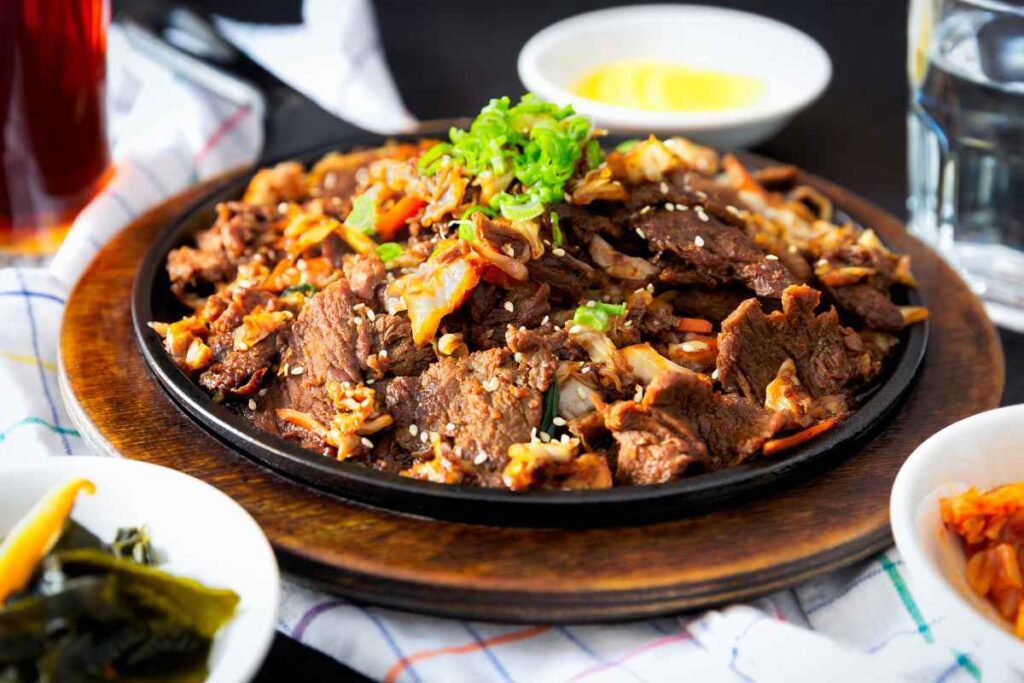
Few dishes capture the heart of Korean cuisine quite like bulgogi, a savory and slightly sweet grilled beef dish that has been cherished for centuries. The name itself tells a story: bul means fire, and gogi means meat.
Traditionally prepared over open flames, bulgogi has evolved from royal banquets to everyday family dinners, making it one of the most beloved recipes in Korean food culture.
Today, you don’t need a Korean barbecue setup to enjoy it—your stovetop, grill pan, or outdoor grill can bring the same flavors right to your kitchen.
What Makes Bulgogi Unique
Unlike many grilled beef dishes, bulgogi is all about the marinade. Thin slices of beef are bathed in a mixture of soy sauce, sesame oil, garlic, and a touch of sweetness. This balance of savory, salty, sweet, and nutty flavors is what makes bulgogi so irresistible.
One traditional ingredient you’ll often find is grated Korean pear (or Asian pear). This fruit not only adds natural sweetness but also helps tenderize the beef thanks to its enzymes.
If you can’t find Korean pear, you can substitute with a regular Asian pear or even a small amount of apple for a similar effect.
Choosing the Right Beef
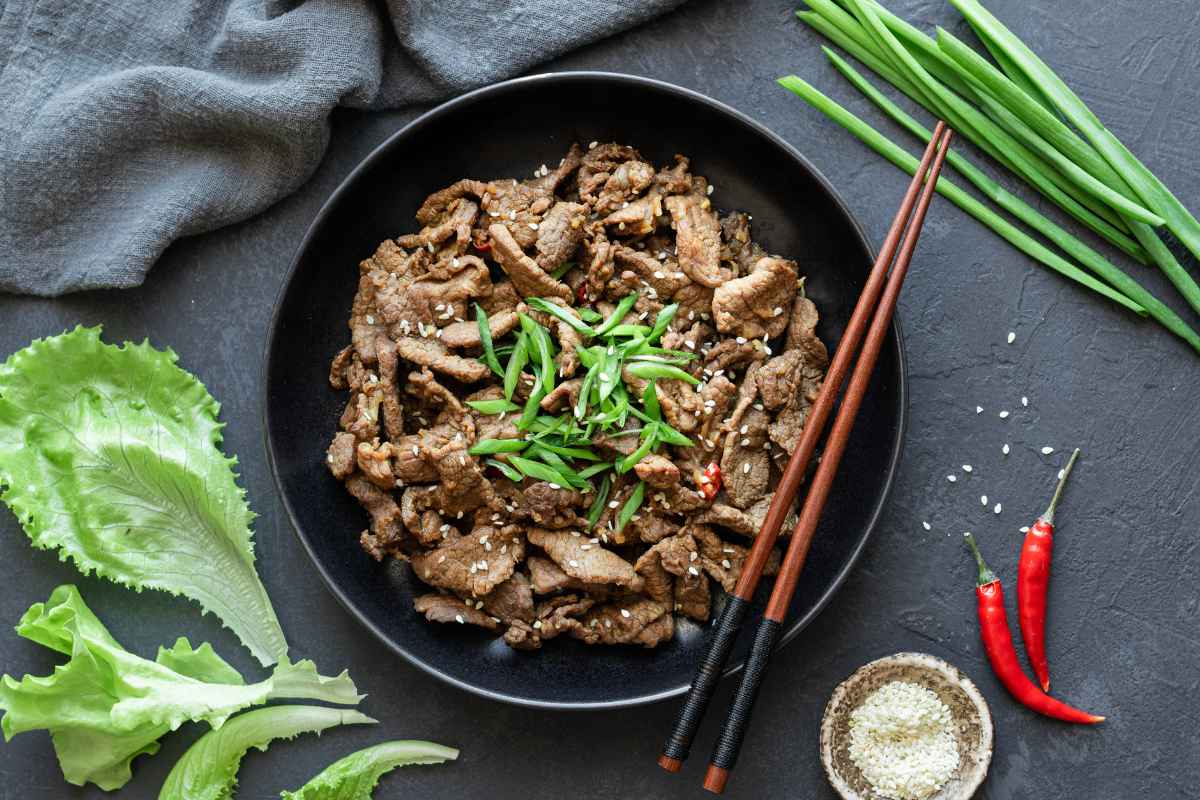
For the best results, bulgogi calls for thinly sliced cuts of beef. Ribeye and sirloin are popular choices because they’re both tender and well-marbled. If slicing at home, a handy trick is to place the beef in the freezer for about 20–30 minutes beforehand.
This firms it up, making it easier to cut into paper-thin slices. Many Asian markets also sell pre-sliced bulgogi beef, saving you time in the kitchen.
The Perfect Marinade
The key to bulgogi’s unforgettable flavor lies in its well-balanced marinade. A classic version typically includes:
- Soy sauce (or low-sodium soy sauce for a lighter option)
- Sesame oil
- Garlic and ginger
- Brown sugar or honey

- Green onions
- Grated pear or apple (optional but recommended)
- Sesame seeds for garnish
For those who like a little heat, you can also add gochugaru (Korean red pepper flakes) or a spoonful of gochujang (Korean chili paste). This small addition transforms the dish with a subtle kick while maintaining its iconic balance of flavors.
How to Cook It
The trick to cooking bulgogi is high heat and small batches. Because the beef is sliced so thin, it cooks quickly—usually in just a few minutes. Overcrowding the pan can cause the meat to steam instead of sear, which changes the texture.
To achieve the best caramelization and smoky aroma, cook the beef in layers, letting each piece develop a golden-brown edge before removing it.
Serving Bulgogi Like a Korean
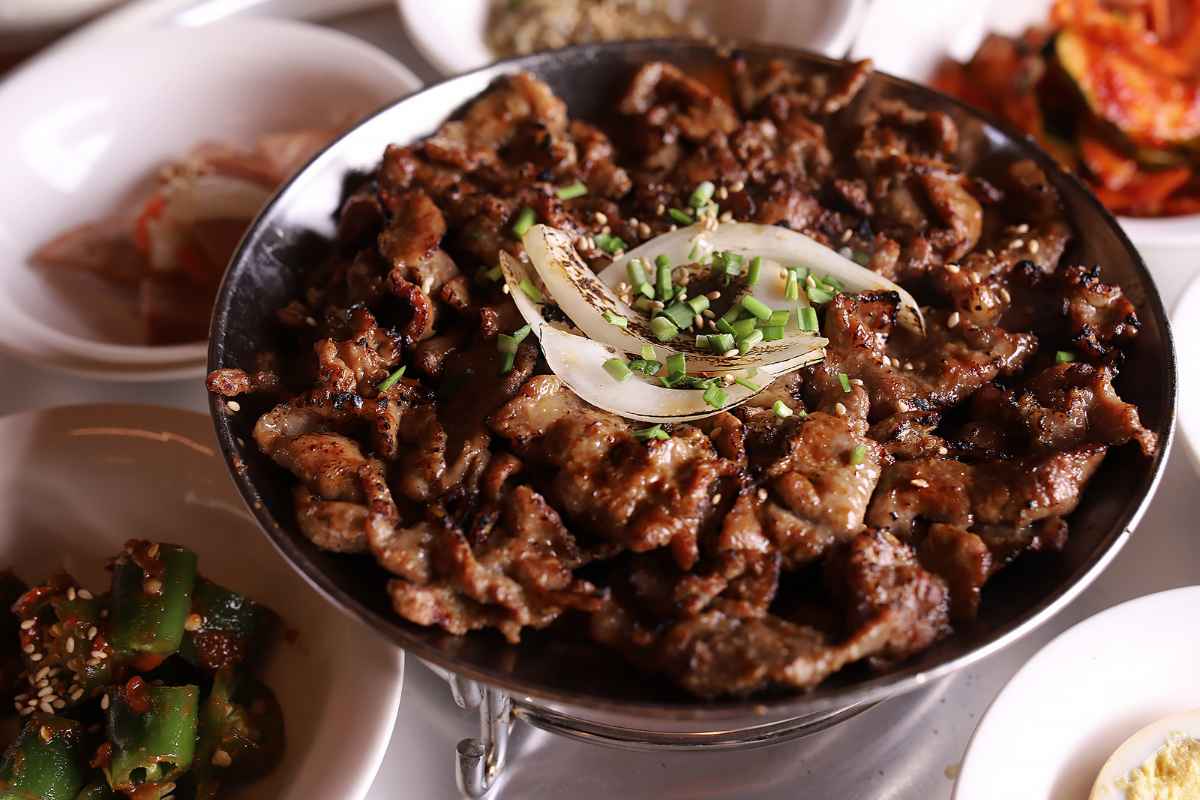
Bulgogi isn’t just a main dish—it’s often enjoyed as part of a larger meal. To truly experience it the Korean way, try making ssam, or lettuce wraps.
Place a small amount of rice and bulgogi onto a lettuce leaf, add a dab of ssamjang (a savory, spicy paste), and top with kimchi or pickled radish. Wrap it up, and you’ll have the perfect bite.
Alongside bulgogi, Koreans often serve a variety of banchan, or side dishes. These may include kimchi, seasoned spinach, bean sprouts, and pickled vegetables. The combination of textures and flavors makes the meal vibrant, balanced, and deeply satisfying.
Variations Worth Exploring
While beef bulgogi is the most traditional, there are many variations worth trying:
- Dak Bulgogi (Chicken Bulgogi): Uses chicken thighs or breast in a similar marinade, often with added gochujang for a spicier flavor.
- Pork Bulgogi (Dwaeji Bulgogi): Made with thinly sliced pork and a spicier, chili-based marinade.
- Vegetarian Bulgogi: Uses mushrooms or tofu as the base, marinated in the same soy-sesame blend for a meat-free twist.
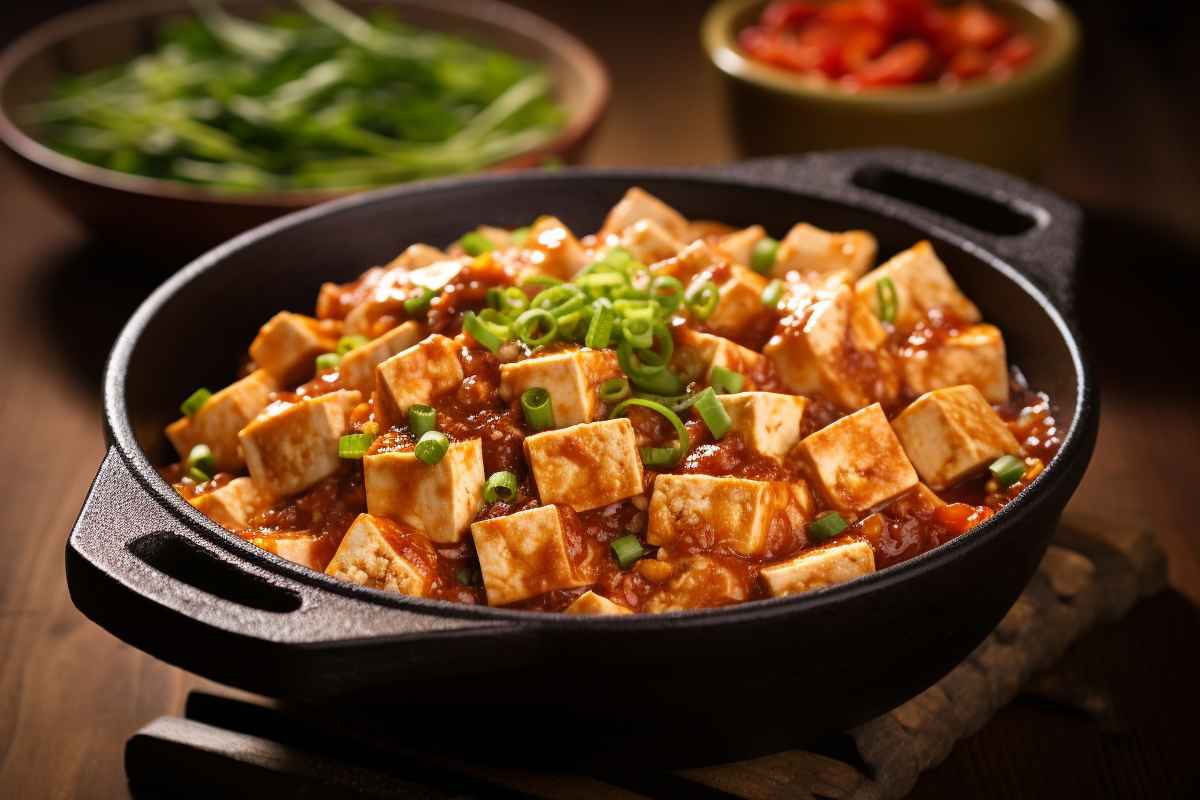 These variations allow you to adapt the dish for different diets and flavor preferences, making bulgogi a versatile addition to your recipe collection.
Make-Ahead, Storage, and Reheating Tips
One of the best things about bulgogi is how well it works for meal prep. You can marinate the beef up to 24 hours in advance, which actually enhances the flavor. Cooked bulgogi can be stored in the refrigerator for 3–4 days or frozen for up to two months.
To reheat without drying out the meat, simply warm it in a skillet with a splash of water or broth.
Nutrition at a Glance
A typical serving of beef bulgogi (about 4 oz of beef with marinade) offers:
- Calories: ~300
- Protein: 25–28g
- Fat: 14–16g

- Carbohydrates: 8–10g
These numbers vary depending on the cut of beef and whether you add sugar or pear, but overall, bulgogi is a protein-rich dish that fits into many balanced diets.
Pro Tips for Success
- Freeze before slicing: This ensures thin, even cuts.
- Don’t skip the sesame oil: It gives bulgogi its nutty depth.
- Cook in small batches: Prevents steaming and ensures proper caramelization.
- Garnish generously: A sprinkle of sesame seeds and chopped scallions adds both flavor and visual appeal.
A Short Note on History
Bulgogi has a long history in Korean culture, dating back to the Goguryeo Dynasty (37 BCE–668 CE), where it was originally prepared with grilled skewers of marinated beef.
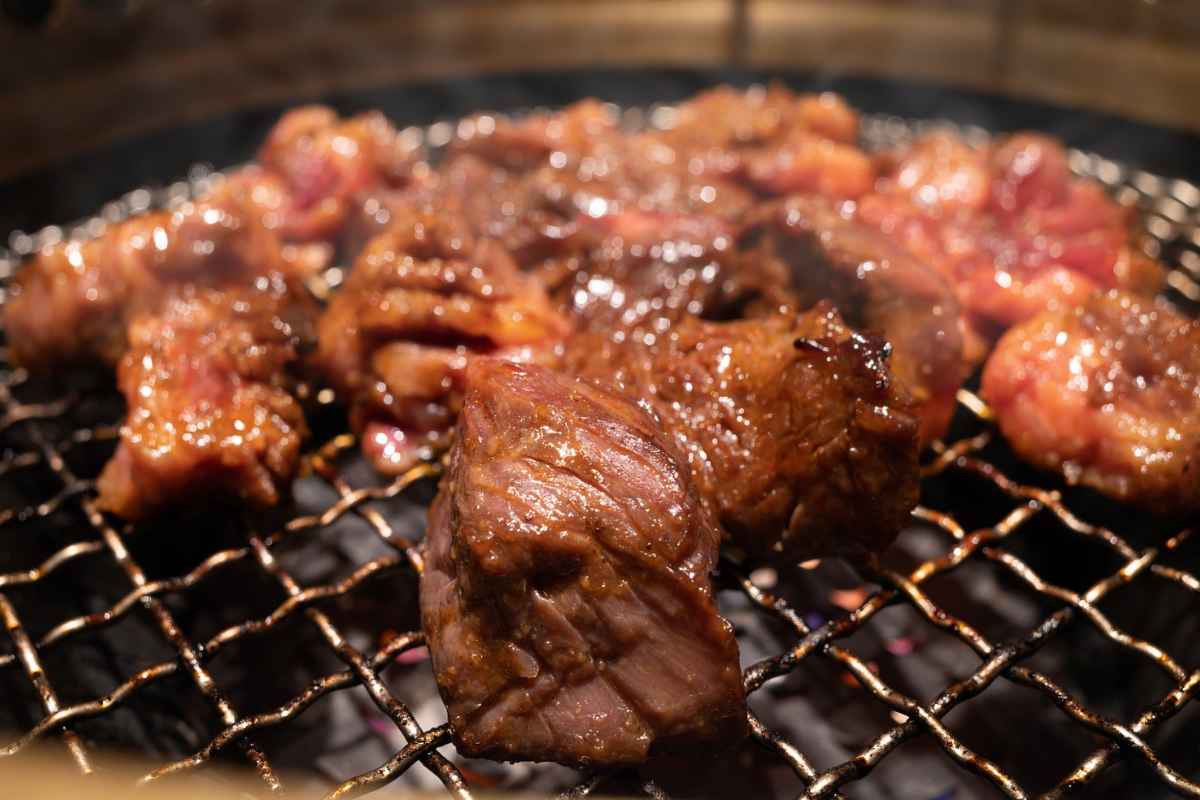
Over time, the recipe adapted to new cooking methods, evolving into the pan-fried and grilled versions we know today. What hasn’t changed is its role as a dish that brings people together around the table.
Bringing It All Together
Whether you’re preparing a quick weeknight dinner or hosting friends for a Korean-inspired feast, bulgogi delivers flavor, tradition, and comfort in every bite.
With its tender slices of beef, fragrant marinade, and endless serving options, this dish is more than just food—it’s an experience that celebrates the heart of Korean cooking.
If you’re ready to try it, gather your ingredients, marinate your beef, and create a meal that’s both simple and unforgettable.
Once you taste the balance of sweet, savory, and smoky flavors, you’ll understand why bulgogi has earned its place as one of the world’s most beloved dishes.
Enjoy Watching This Video with a Similar Recipe

Source: Kimchimari
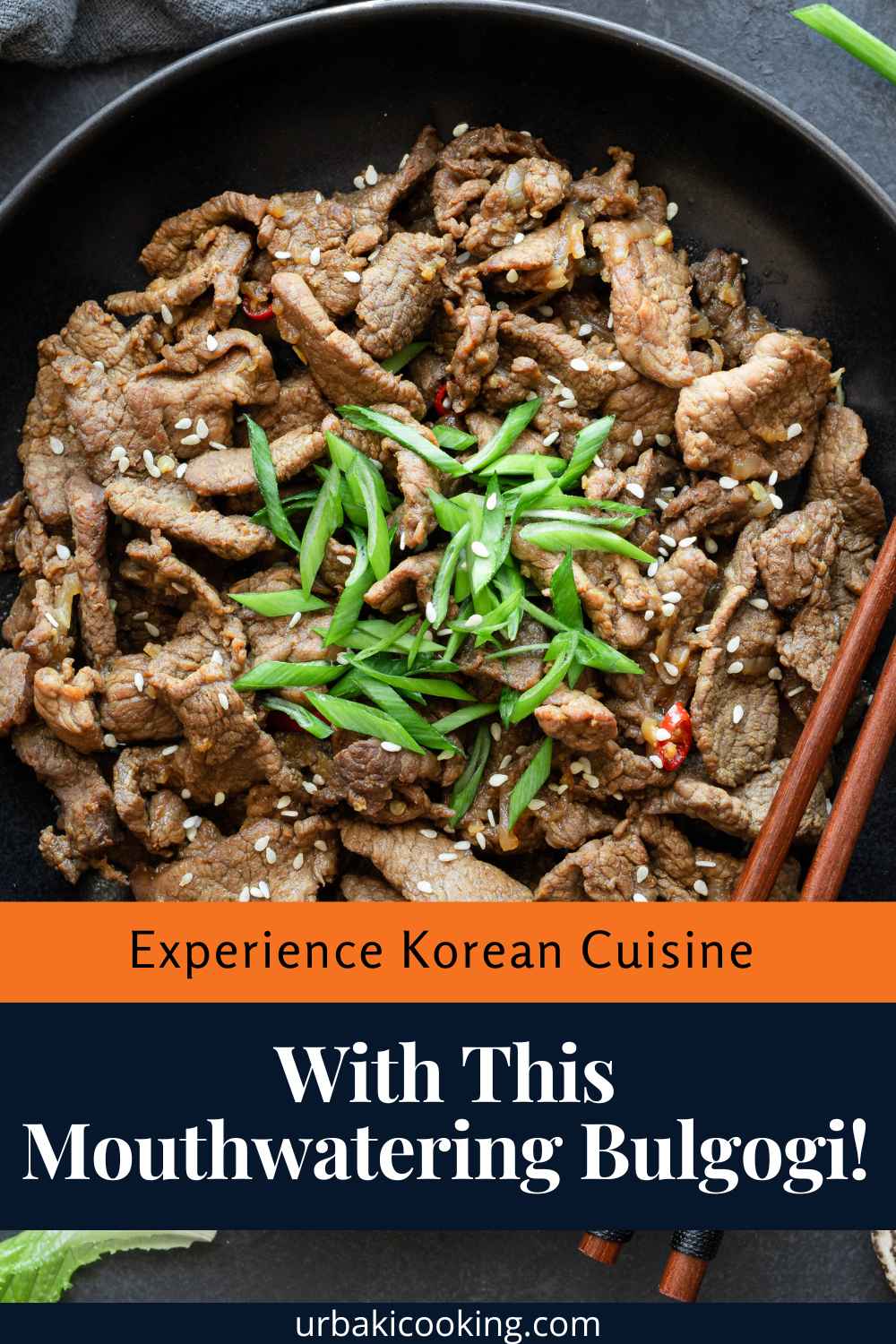
Did you find this post useful or inspiring? Save THIS PIN to your Cooking Board on Pinterest! 😊
Other Recipes You’ll Love 😍