
A Colorful Bowl of Joy: DIY Chirashi Recipe


A DIY chirashi is one of the most joyful ways to eat sushi at home: a generous scattered sushi bowl of seasoned rice topped with jewel-like fish, crisp vegetables, and bright garnishes.
This guide gives you clear, modern steps for flawless sushi rice, safe and smart seafood choices, and a rainbow of topping ideas—including fully cooked and vegetarian options—so your chirashi sushi looks festive and tastes restaurant-worthy.
What Is Chirashi Sushi?
Chirashi sushi (also called chirashizushi or “scattered sushi”) is a bowl of vinegared rice topped with an artful assortment of proteins and vegetables.
Unlike maki or nigiri, there’s no rolling or shaping; you simply season the rice, cut your toppings neatly, and scatter them for color, texture, and balance. Think of it as the most relaxed, customizable way to serve sushi at home.

Ingredients You’ll Need
For the sushi rice
- 2 cups (380–400 g) Japanese short-grain rice
- 2¼ cups (530 ml) water
- 1 small piece kombu (optional, for aroma)
- Sushi-zu (vinegar seasoning) for this amount of rice:
- 6 tbsp rice vinegar
- 4 tbsp sugar
- 1½ tsp fine salt

Classic “rainbow” toppings (mix and match)
- 6–8 oz sashimi-grade fish (e.g., salmon, tuna), cubed or sliced
- ½ small cucumber, deseeded and sliced thin
- 1 small avocado, sliced
- 1 sheet nori, cut into fine julienne
- 2 eggs, made into tamagoyaki or soft scrambled, sliced into ribbons
- Pickled ginger (gari) and toasted sesame seeds
- Optional lux: ikura (salmon roe), tobiko, or a few shiso leaves
Fully cooked pathway (no raw seafood)
- Poached shrimp, blanched octopus, or seared salmon, cooled and sliced

- Soy-braised shiitake, edamame, and quick-pickled carrots
Vegetarian pathway
- Soy-braised shiitake or oyster mushrooms
- Pan-seared tofu or seasoned aburaage
- Steam-blanched asparagus, snap peas, or edamame
- Extra avocado, cucumber, and pickled ginger
Sauces & finishing
- Light soy sauce or tamari, wasabi, and ponzu
- Japanese mayo (optionally whisked with a little yuzu or lemon)
- Extra sushi-zu for sprinkling if needed

Make Perfect Sushi Rice
The soul of any DIY chirashi is well-seasoned sushi rice—glistening, tender, and gently vinegared.
- Rinse & soak. Rinse rice in cool water, swishing and draining until the water runs mostly clear. Soak 20–30 minutes; drain well.
- Cook. Add rice and measured water to a pot or rice cooker. Tuck in kombu if using. Cook until just done; remove kombu. Let the rice rest 10 minutes off heat.
- Mix the sushi-zu. Warm the rice vinegar with sugar and salt just until dissolved (do not boil).
- Season & cool. Transfer hot rice to a wide bowl (hangiri if you have one). Drizzle the sushi-zu over the rice and use a cutting-and-folding motion with a paddle to combine. Fan lightly to cool until the rice is warm-to-room-temp and glossy. The grains should stay distinct, never mashed.
- Taste & adjust. If you prefer a brighter profile, sprinkle an extra teaspoon of vinegar over the top and fold once or twice more.
Choose and Prep Your Toppings

High-quality, properly handled seafood is key. Buy sashimi-grade fish from a reputable fishmonger who follows parasite-control best practices, and keep it well-chilled. If you prefer to avoid raw fish, the fully cooked and vegetarian routes are equally vibrant.
- Cut with intention. Aim for variety: silky slices of salmon, neat cubes of tuna, thin batons of cucumber, creamy fan of avocado, and fine threads of nori.
- Balance color and texture. Combine rich (salmon, avocado) with crisp (cucumber, radish), savory (tamagoyaki, shiitake) with bright (gari, shiso), and a little pop (ikura, sesame).
Assemble a Colorful Bowl
- Base layer. Spoon a mound of sushi rice (still slightly warm) into each bowl and level gently.
- Map the colors. Place the richest items first (fish or tofu), then tuck in cucumbers and avocado. Sprinkle the nori julienne so it lands on both rice and toppings.
- Add detail. Ribbons of tamagoyaki, dots of ikura or tobiko, and a few shiso leaves create a restaurant look.

- Finish. Add a pinch of toasted sesame seeds. Serve with light soy, ponzu, and wasabi on the side so the rice doesn’t get over-salted.
Flavor Boosters & Smart Pairings
A little variety goes a long way. Offer a trio of sauces—ponzu, light soy, and a touch of yuzu-mayo—plus pickled ginger to refresh the palate. A small bowl of miso soup or a pot of green tea makes the meal feel complete without overshadowing the bowl.
Make-Ahead, Storage & Food Safety
- Rice timing. Sushi rice is best the day it’s made and should be served warm or room temperature. Do not refrigerate seasoned rice; it hardens.
- Toppings. Prep cooked items (shiitake, tamagoyaki, shrimp) up to 2 days ahead; chill in airtight containers. Slice avocado and fish just before serving.

- Seafood safety. Choose sashimi-grade fish handled for raw consumption. Keep it cold, minimize time at room temperature, and follow local guidelines for raw seafood.
- Leftovers. Store toppings separately from the rice. Eat raw seafood the same day; cooked and vegetarian toppings can last 1–2 days chilled.
Pro Tips for a Restaurant Finish
- Shine and structure. Lightly oil your knife and wipe between cuts for clean edges on fish and avocado.
- Season in layers. The rice is already seasoned—use sauces sparingly at the table to avoid masking its delicate balance.
- Texture contrast. Add something crisp (daikon, cucumber, radish) and something tender (salmon, egg) to every bite.
- Photogenic plating. Think in wedges or color “stripes”—alternating greens, oranges, and creams—then sprinkle nori and sesame as the final confetti.

Variations & Budget-Friendly Swaps
- Spring garden chirashi. Asparagus tips, peas, radish, and shiso with extra sushi-zu for brightness.
- All-cooked comfort. Soy-braised shiitake, sesame edamame, tamagoyaki ribbons, poached shrimp, and nori—perfect for guests who skip raw fish.
- Weeknight saver. Canned tuna in olive oil, quick-pickled cucumbers, avocado, and a drizzle of ponzu—surprisingly satisfying and affordable.
- Spicy twist. Fold a spoonful of gochujang or togarashi into mayo for a light drizzle over cooked shrimp or tofu.
Bring Your Chirashi Sushi to the Table
A bowl of chirashi sushi is more than a recipe—it’s a canvas. With glossy sushi rice, thoughtfully cut toppings, and a few smart finishing touches, your DIY chirashi becomes a vibrant, shareable centerpiece that fits any season and any level of comfort with raw fish.
Keep the rice tender, the cuts neat, and the flavors balanced, and your scattered sushi bowl will deliver exactly what its name promises: color, joy, and that unmistakable sushi-shop magic—right at home.
Enjoy Watching This Video with a Similar Recipe
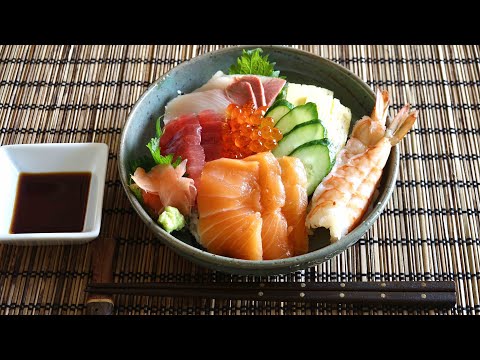
Source: JapaneseCooking101
Did you find this post useful or inspiring? Save THIS PIN to your Cooking Board on Pinterest! 😊

Other Recipes You’ll Love 😍